Safety note: Admin approval is an initial review, not a guarantee that every detail is correct. Check important or urgent claims with official sources and report anything inaccurate or unsafe.
Source and credit: Contributor's own report
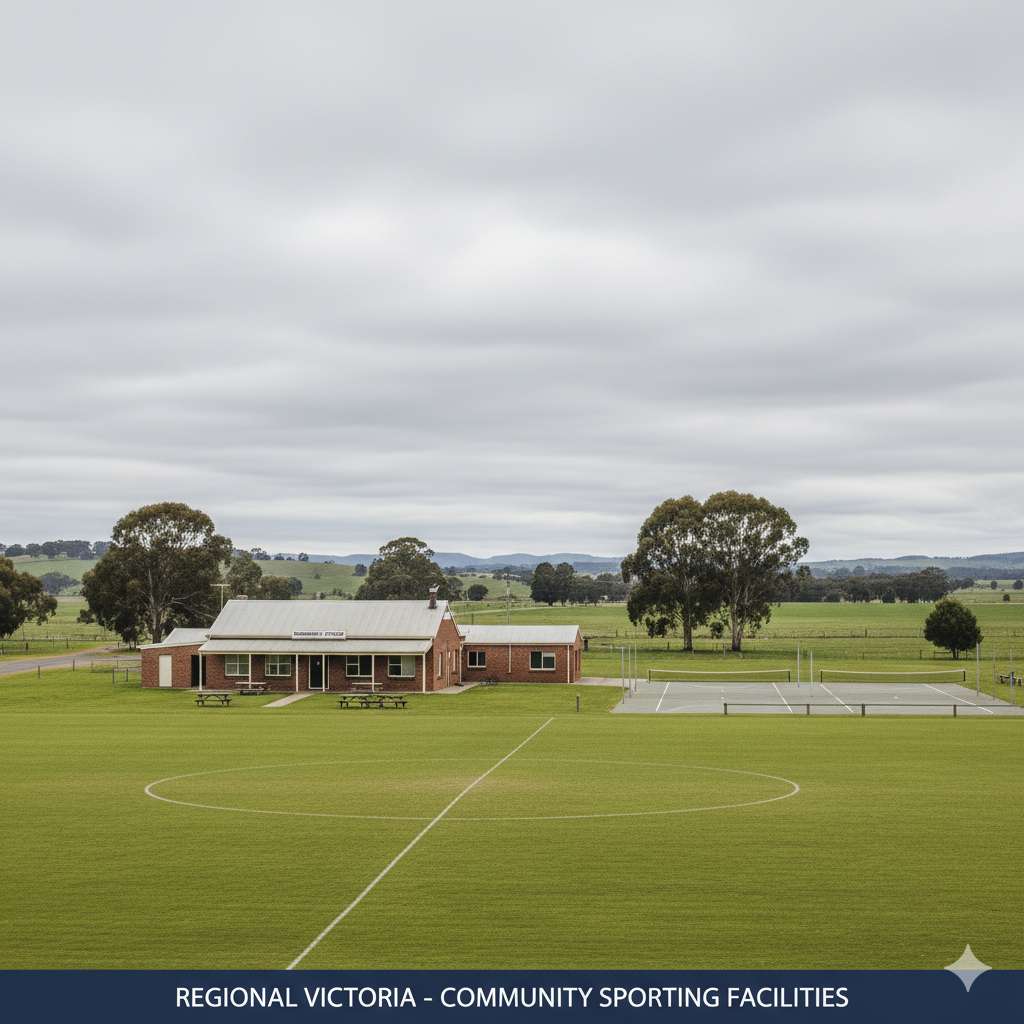
A generic image representing a local Australian football-netball club facility.
Smart summary
A local Victorian football-netball club has withdrawn its approval for a registered sex offender to be involved with the organisation after significant community concern.
A regional Victorian football and netball club has reversed its decision to allow a registered sex offender to become involved with the organisation after significant community backlash and concerns raised by parents, players and local residents.
The controversy centred on the Tyrendarra Football Netball Club in south-west Victoria, where club officials had initially approved the individual's participation in club activities. The decision quickly sparked widespread concern within the local community, particularly given the presence of children and young people involved in football and netball programs associated with the club.
Following intense public scrutiny and feedback from stakeholders, club officials announced they had reconsidered the matter and reversed the earlier decision. The move came after emergency discussions involving club representatives, league officials and community members.
According to reports, many residents expressed concern about safeguarding obligations and the responsibility sporting organisations have to provide safe environments for children, families and volunteers. Community members argued that maintaining public confidence in junior sporting programs was essential and that any perceived risk could undermine participation and trust.
The issue has highlighted broader challenges facing community sporting organisations when balancing legal rights, rehabilitation considerations and child safety responsibilities. Across Australia, sporting clubs are increasingly required to comply with strict child-safety standards, including screening requirements, risk management procedures and codes of conduct designed to protect young participants.
Victorian child safety regulations require organisations that involve children to place their welfare at the centre of decision-making processes. Many sporting bodies have strengthened policies in recent years following recommendations from national child protection reviews and inquiries into institutional responses to abuse.
The Tyrendarra matter generated considerable discussion throughout the region, with supporters of the reversal arguing that community sporting clubs must prioritise the safety and wellbeing of participants above all other considerations. Others noted the complexities involved when individuals who have completed criminal sentences seek to participate in community activities.
League administrators and governing bodies have also faced questions regarding how decisions involving individuals with serious criminal histories should be assessed. Experts in child protection and sports governance frequently emphasise the importance of transparent policies, risk assessments and community consultation when dealing with sensitive matters.
The club's decision to reverse its position was welcomed by many local families and members who had voiced concerns after learning of the original approval. Community reaction demonstrated the strong expectations many Australians have regarding child safety within grassroots sporting environments.
Australian Rules football and netball clubs often serve as important social hubs in regional communities, bringing together players, volunteers, families and supporters across multiple generations. As a result, decisions affecting club culture and safety frequently attract significant public attention.
The matter has also prompted broader discussion about the responsibilities of sporting organisations when managing sensitive issues involving criminal histories and community expectations. Many experts argue that while rehabilitation remains an important principle, organisations working with children must maintain robust safeguards and prioritise participant protection.
Club officials have indicated they remain committed to providing a safe, inclusive and supportive environment for all members. The decision is expected to bring the issue to a close, although it has sparked wider debate across community sport regarding governance, safeguarding responsibilities and public confidence in local sporting organisations.
CommunityClubSportingDecisionOrganisations
A regional Victorian football and netball club has reversed its decision to allow a registered sex offender to become involved with the organisation after significant community backlash and concerns raised by parents, players and local residents.
The controversy centred on the Tyrendarra Football Netball Club in south-west Victoria, where club officials had initially approved the individual's participation in club activities. The decision quickly sparked widespread concern within the local community, particularly given the presence of children and young people involved in football and netball programs associated with the club.
Following intense public scrutiny and feedback from stakeholders, club officials announced they had reconsidered the matter and reversed the earlier decision. The move came after emergency discussions involving club representatives, league officials and community members.
According to reports, many residents expressed concern about safeguarding obligations and the responsibility sporting organisations have to provide safe environments for children, families and volunteers. Community members argued that maintaining public confidence in junior sporting programs was essential and that any perceived risk could undermine participation and trust.
The issue has highlighted broader challenges facing community sporting organisations when balancing legal rights, rehabilitation considerations and child safety responsibilities. Across Australia, sporting clubs are increasingly required to comply with strict child-safety standards, including screening requirements, risk management procedures and codes of conduct designed to protect young participants.
Victorian child safety regulations require organisations that involve children to place their welfare at the centre of decision-making processes. Many sporting bodies have strengthened policies in recent years following recommendations from national child protection reviews and inquiries into institutional responses to abuse.
The Tyrendarra matter generated considerable discussion throughout the region, with supporters of the reversal arguing that community sporting clubs must prioritise the safety and wellbeing of participants above all other considerations. Others noted the complexities involved when individuals who have completed criminal sentences seek to participate in community activities.
League administrators and governing bodies have also faced questions regarding how decisions involving individuals with serious criminal histories should be assessed. Experts in child protection and sports governance frequently emphasise the importance of transparent policies, risk assessments and community consultation when dealing with sensitive matters.
The club's decision to reverse its position was welcomed by many local families and members who had voiced concerns after learning of the original approval. Community reaction demonstrated the strong expectations many Australians have regarding child safety within grassroots sporting environments.
Australian Rules football and netball clubs often serve as important social hubs in regional communities, bringing together players, volunteers, families and supporters across multiple generations. As a result, decisions affecting club culture and safety frequently attract significant public attention.
The matter has also prompted broader discussion about the responsibilities of sporting organisations when managing sensitive issues involving criminal histories and community expectations. Many experts argue that while rehabilitation remains an important principle, organisations working with children must maintain robust safeguards and prioritise participant protection.
Club officials have indicated they remain committed to providing a safe, inclusive and supportive environment for all members. The decision is expected to bring the issue to a close, although it has sparked wider debate across community sport regarding governance, safeguarding responsibilities and public confidence in local sporting organisations.
An automated external defibrillator and memorial plaque have been installed at Ellery Creek Big Hole following the death of disability advocate Ellen Fr...
Bathurst New South Wales · Community News · 17 Sep 2026
Kerry “Pecky” Peck, a long-standing Bathurst radio personality, has been inducted into the Bathurst Business Hall of Fame in recognition of his extensive contribution to the loc...
A new specialist family-violence support model has been introduced in Ballarat, with dedicated workers now embedded alongside Victoria Police to help people experiencing family...
Orange New South Wales · Community News · 17 Sep 2026
Orange City Council has elected a new Deputy Mayor for the next two years, with the decision announced today, 17 September 2026. The council said the election took place during...
Warrnambool, Victoria · Emergency News · 18 Jun 2026
New crime statistics have revealed a dramatic increase in reported sexual offences in Warrnambool, prompting concern among community leaders, police and...
New workplace data shows staff absenteeism jumped sharply during the historic MCG NFL event, while Melbourne businesses also benefited from a major spen...
Cairns Regional Council has unanimously voted to seek $400,000 in Queensland Government funding for a program designed to connect local businesses with the region’s growing film...
An automated external defibrillator and memorial plaque have been installed at Ellery Creek Big Hole following the death of disability advocate Ellen Fr...
Queensland firefighters spent several hours monitoring a significant grass fire at Mary Kinross Park in Bargara, near Bundaberg, after the blaze broke out on Wednesday evening....