Safety note: Admin approval is an initial review, not a guarantee that every detail is correct. Check important or urgent claims with official sources and report anything inaccurate or unsafe.
Source and credit: Contributor's own report
Geelong Driving Instructor Warns E-Scooters and E-Bikes Creating New Road Safety Challenges - Geelong, VIC
Smart summary
A Geelong driving instructor says the rapid rise of silent, high-speed e-scooters and e-bikes has changed the way learner drivers are taught, warning that increased road sharing requires greater awareness from all users.
A Geelong driving instructor has raised concerns about the growing presence of e-scooters and e-bikes on Australian roads, describing the combination of speed, silence and limited visibility as a major challenge for road safety.
The instructor said the popularity of electric-powered personal transport has changed the way learner drivers are taught, with new emphasis placed on watching for smaller, quieter vehicles that can approach intersections and traffic areas quickly.
Unlike traditional bicycles, many e-bikes and e-scooters can travel at higher speeds with minimal noise, making them harder for drivers and pedestrians to notice. The instructor warned that this combination can create dangerous situations, particularly when riders and motorists are not fully aware of each other’s movements.
The growth of e-scooters and e-bikes has accelerated across Victoria, with more people choosing them as an affordable and convenient way to travel short distances. They are increasingly used for commuting, recreation and connecting with public transport.
However, the increase in electric vehicles has also created new challenges for road users. Driving instructors say learner drivers must now develop stronger observation skills, including checking bike lanes, footpaths, intersections and blind spots more carefully.
The instructor described the situation as a “recipe for disaster” when inexperienced riders, distracted drivers and busy roads come together without proper awareness and safety practices.
Road safety experts have previously highlighted the importance of responsible riding behaviour, including wearing helmets, following speed rules, using bike lanes where available and understanding local regulations.
For drivers, the challenge is recognising that roads are becoming more diverse. Modern traffic environments now include cars, trucks, motorcycles, bicycles, e-bikes and e-scooters, all moving at different speeds and requiring different levels of attention.
The instructor said teaching road awareness is no longer only about preparing learners for traditional traffic situations. Students are now being encouraged to anticipate unexpected movements from smaller electric vehicles, particularly in areas with shared paths, shopping centres and residential streets.
Geelong has seen increased use of e-bikes and e-scooters as the city expands its cycling infrastructure and encourages alternative transport options. Supporters say these vehicles can reduce congestion, provide cheaper transport options and help people travel more sustainably.
However, community discussions continue around safety, infrastructure and enforcement. Some residents have called for clearer rules, better education and improved separation between different road users.
Authorities have encouraged riders to understand their responsibilities and for drivers to remain patient and alert when sharing roads with vulnerable users.
The rise of e-mobility reflects a broader change in how Australians move around cities and regional communities. As technology continues to influence transport choices, road safety education will need to adapt.
For learner drivers in Geelong and across Victoria, understanding how to safely interact with e-scooters and e-bikes is becoming an increasingly important part of becoming a confident and responsible driver.
DriversE-BikesE-ScootersRoadInstructor
A Geelong driving instructor has raised concerns about the growing presence of e-scooters and e-bikes on Australian roads, describing the combination of speed, silence and limited visibility as a major challenge for road safety.
The instructor said the popularity of electric-powered personal transport has changed the way learner drivers are taught, with new emphasis placed on watching for smaller, quieter vehicles that can approach intersections and traffic areas quickly.
Unlike traditional bicycles, many e-bikes and e-scooters can travel at higher speeds with minimal noise, making them harder for drivers and pedestrians to notice. The instructor warned that this combination can create dangerous situations, particularly when riders and motorists are not fully aware of each other’s movements.
The growth of e-scooters and e-bikes has accelerated across Victoria, with more people choosing them as an affordable and convenient way to travel short distances. They are increasingly used for commuting, recreation and connecting with public transport.
However, the increase in electric vehicles has also created new challenges for road users. Driving instructors say learner drivers must now develop stronger observation skills, including checking bike lanes, footpaths, intersections and blind spots more carefully.
The instructor described the situation as a “recipe for disaster” when inexperienced riders, distracted drivers and busy roads come together without proper awareness and safety practices.
Road safety experts have previously highlighted the importance of responsible riding behaviour, including wearing helmets, following speed rules, using bike lanes where available and understanding local regulations.
For drivers, the challenge is recognising that roads are becoming more diverse. Modern traffic environments now include cars, trucks, motorcycles, bicycles, e-bikes and e-scooters, all moving at different speeds and requiring different levels of attention.
The instructor said teaching road awareness is no longer only about preparing learners for traditional traffic situations. Students are now being encouraged to anticipate unexpected movements from smaller electric vehicles, particularly in areas with shared paths, shopping centres and residential streets.
Geelong has seen increased use of e-bikes and e-scooters as the city expands its cycling infrastructure and encourages alternative transport options. Supporters say these vehicles can reduce congestion, provide cheaper transport options and help people travel more sustainably.
However, community discussions continue around safety, infrastructure and enforcement. Some residents have called for clearer rules, better education and improved separation between different road users.
Authorities have encouraged riders to understand their responsibilities and for drivers to remain patient and alert when sharing roads with vulnerable users.
The rise of e-mobility reflects a broader change in how Australians move around cities and regional communities. As technology continues to influence transport choices, road safety education will need to adapt.
For learner drivers in Geelong and across Victoria, understanding how to safely interact with e-scooters and e-bikes is becoming an increasingly important part of becoming a confident and responsible driver.
A new 12-lane passport control facility has opened at Brisbane Airport as the airport prepares for more than 1.8 million passengers during the September...
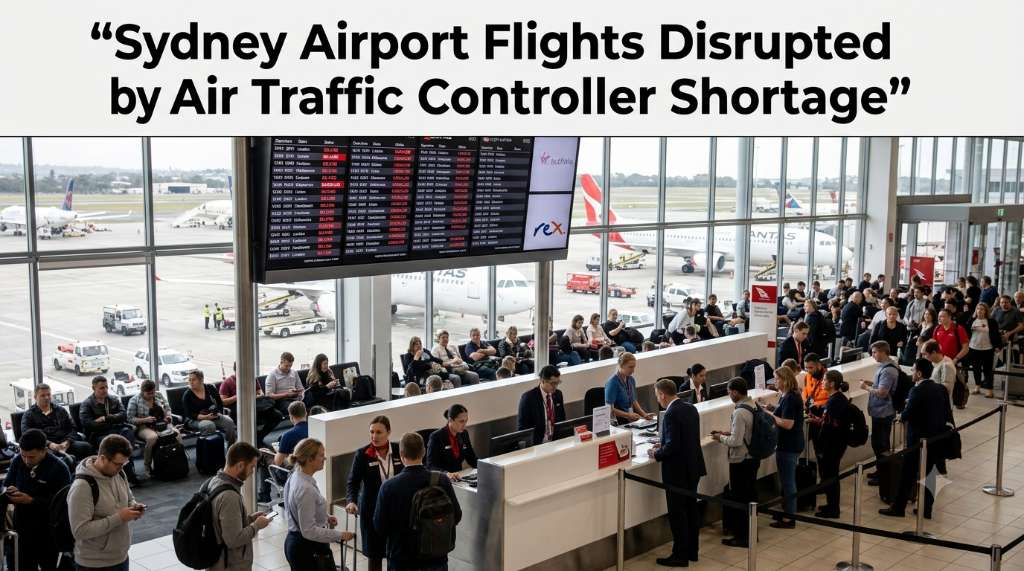
Flight delays and cancellations affected Sydney Airport passengers on Friday morning after staffing shortages prompted temporary air-traffic management...
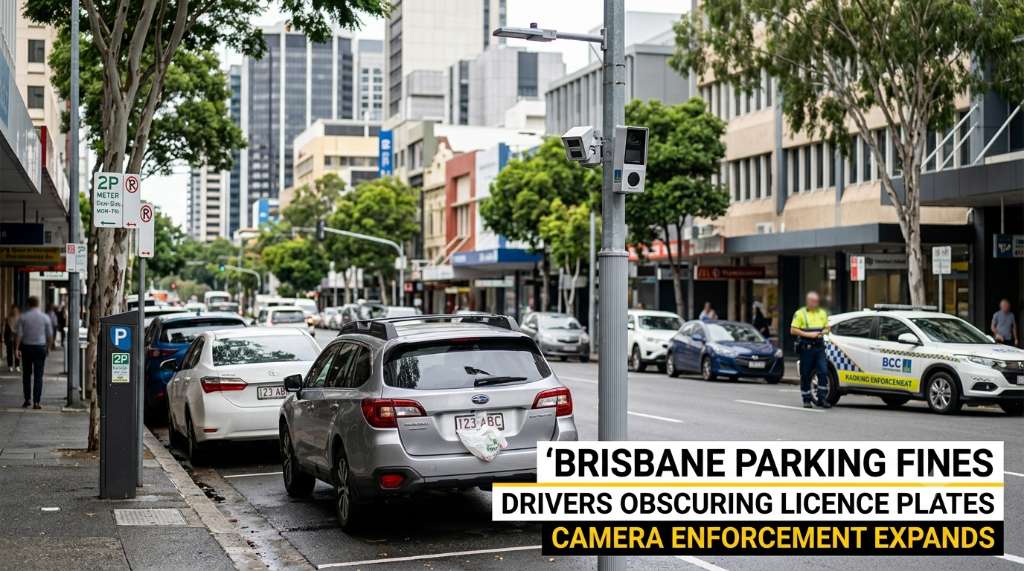
Some Brisbane motorists are covering their licence plates to avoid automatic parking enforcement cameras as council fines approach $35 million this year.
New workplace data shows staff absenteeism jumped sharply during the historic MCG NFL event, while Melbourne businesses also benefited from a major spen...
Cairns Regional Council has unanimously voted to seek $400,000 in Queensland Government funding for a program designed to connect local businesses with the region’s growing film...
An automated external defibrillator and memorial plaque have been installed at Ellery Creek Big Hole following the death of disability advocate Ellen Fr...
Queensland firefighters spent several hours monitoring a significant grass fire at Mary Kinross Park in Bargara, near Bundaberg, after the blaze broke out on Wednesday evening....