Safety note: Admin approval is an initial review, not a guarantee that every detail is correct. Check important or urgent claims with official sources and report anything inaccurate or unsafe.
Source and credit: Contributor's own report
Former Australian diplomat urges stronger defence stance after China's Pacific missile test - Canberra, ACT
Smart summary
Former diplomat Lachlan Strahan says Australia should firmly defend its national interests following China's Pacific missile test, while questioning whether major spending on sports diplomacy is the best strategic inv...
A former senior Australian diplomat has called for Australia to maintain a firm and confident approach toward China following Beijing's recent missile test in the Pacific, arguing that the country should prioritise defence capability and strategic investment.
Speaking on 7NEWS' "The Issue" podcast, former Australian High Commissioner to the Solomon Islands Lachlan Strahan said Australia should not be intimidated by China's growing military activities in the Indo-Pacific region. His comments came after Foreign Minister Penny Wong raised Australia's concerns with Chinese Foreign Minister Wang Yi, describing China's recent missile test as "destabilising" for the Pacific region.
The missile launch has renewed debate about Australia's defence strategy and regional security. Defence Minister Richard Marles said Australia requires a defence force capable of projecting power and responding effectively to changing security challenges across the Indo-Pacific.
Strahan, who has more than three decades of diplomatic experience, said Australia should respond calmly to isolated military demonstrations but remain prepared if such activities become more frequent. He argued that Australia should never allow itself to be intimidated and should continue defending its national interests and regional partnerships.
While supporting stronger defence capabilities, Strahan questioned whether current government spending priorities are aligned with Australia's strategic needs. He suggested that policymakers should focus less on the total amount being spent and more on ensuring defence funding is directed toward the most effective military capabilities.
He also described the AUKUS defence partnership as a significant long-term financial commitment, noting that maintaining advanced submarine and defence programs will require substantial ongoing investment.
Strahan criticised the Federal Government's investment in sports diplomacy, particularly funding linked to Papua New Guinea rugby league initiatives. The government has committed $600 million to support a future Papua New Guinea NRL team and $250 million for grassroots youth programs across the Pacific.
According to Strahan, Australia's resources are limited, and government spending should be carefully prioritised to maximise national security outcomes. He argued that funds should focus on strengthening Australia's defence capabilities and broader regional engagement.
The discussion also turned to Australian politics and foreign relations. Strahan warned that Australia's relationships with Asian nations could be affected by political leadership that adopts more confrontational or divisive positions internationally. He expressed concern about how regional partners may perceive Australia's diplomatic approach.
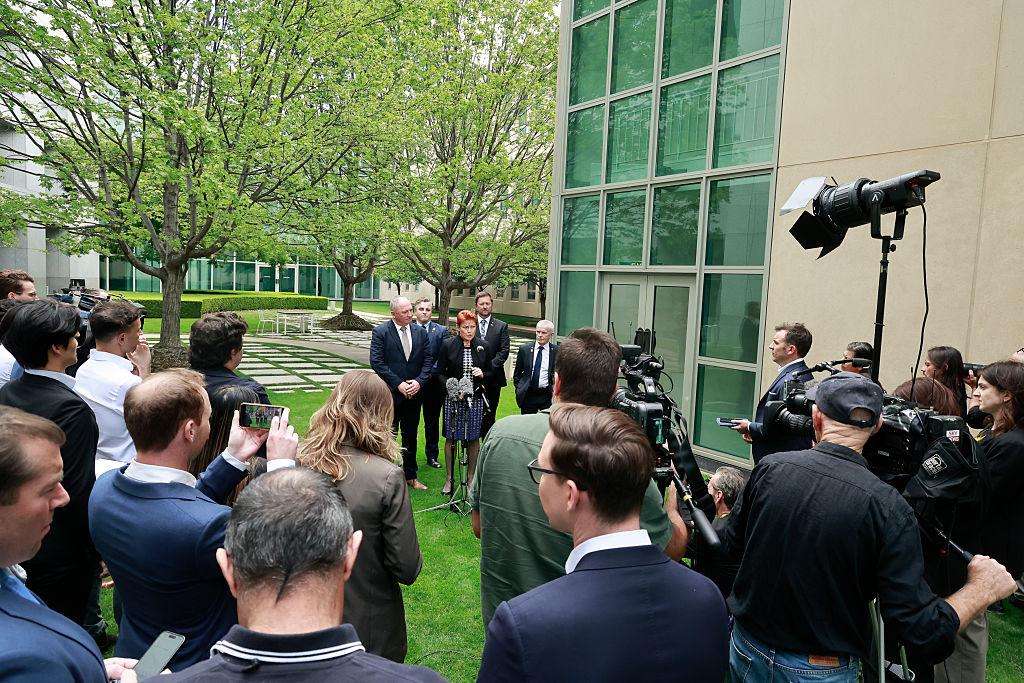
One Nation leader Pauline Hanson rejected Strahan's criticism, saying he did not know her personally or understand her policies. She dismissed the comments, saying she was not concerned by his assessment.
The discussion reflects ongoing national debate about Australia's place in an increasingly competitive Indo-Pacific region. With rising strategic competition between major powers, policymakers continue to balance defence spending, diplomacy and regional partnerships.
The missile test has reinforced concerns among Pacific nations about regional security and military activity. Australian officials continue to emphasise the importance of maintaining a peaceful, stable and prosperous Indo-Pacific while strengthening relationships with neighbouring countries.
As geopolitical tensions evolve, discussions surrounding defence investment, foreign policy and Australia's strategic priorities are expected to remain central issues in national political debate.
DefenceShouldStrahanRegionalMissile
A former senior Australian diplomat has called for Australia to maintain a firm and confident approach toward China following Beijing's recent missile test in the Pacific, arguing that the country should prioritise defence capability and strategic investment.
Speaking on 7NEWS' "The Issue" podcast, former Australian High Commissioner to the Solomon Islands Lachlan Strahan said Australia should not be intimidated by China's growing military activities in the Indo-Pacific region. His comments came after Foreign Minister Penny Wong raised Australia's concerns with Chinese Foreign Minister Wang Yi, describing China's recent missile test as "destabilising" for the Pacific region.
The missile launch has renewed debate about Australia's defence strategy and regional security. Defence Minister Richard Marles said Australia requires a defence force capable of projecting power and responding effectively to changing security challenges across the Indo-Pacific.
Strahan, who has more than three decades of diplomatic experience, said Australia should respond calmly to isolated military demonstrations but remain prepared if such activities become more frequent. He argued that Australia should never allow itself to be intimidated and should continue defending its national interests and regional partnerships.
While supporting stronger defence capabilities, Strahan questioned whether current government spending priorities are aligned with Australia's strategic needs. He suggested that policymakers should focus less on the total amount being spent and more on ensuring defence funding is directed toward the most effective military capabilities.
He also described the AUKUS defence partnership as a significant long-term financial commitment, noting that maintaining advanced submarine and defence programs will require substantial ongoing investment.
Strahan criticised the Federal Government's investment in sports diplomacy, particularly funding linked to Papua New Guinea rugby league initiatives. The government has committed $600 million to support a future Papua New Guinea NRL team and $250 million for grassroots youth programs across the Pacific.
According to Strahan, Australia's resources are limited, and government spending should be carefully prioritised to maximise national security outcomes. He argued that funds should focus on strengthening Australia's defence capabilities and broader regional engagement.
The discussion also turned to Australian politics and foreign relations. Strahan warned that Australia's relationships with Asian nations could be affected by political leadership that adopts more confrontational or divisive positions internationally. He expressed concern about how regional partners may perceive Australia's diplomatic approach.
One Nation leader Pauline Hanson rejected Strahan's criticism, saying he did not know her personally or understand her policies. She dismissed the comments, saying she was not concerned by his assessment.
The discussion reflects ongoing national debate about Australia's place in an increasingly competitive Indo-Pacific region. With rising strategic competition between major powers, policymakers continue to balance defence spending, diplomacy and regional partnerships.
The missile test has reinforced concerns among Pacific nations about regional security and military activity. Australian officials continue to emphasise the importance of maintaining a peaceful, stable and prosperous Indo-Pacific while strengthening relationships with neighbouring countries.
As geopolitical tensions evolve, discussions surrounding defence investment, foreign policy and Australia's strategic priorities are expected to remain central issues in national political debate.
The Federal Government is preparing new measures targeting temporary visas, visa overstayers, international students and visa-hopping, while maintaining...
One Nation’s proposed major reduction in migration has triggered warnings that a sharp cut to population growth could weaken Australia’s economy and cre...
The Federal Government is preparing new measures targeting temporary visas, visa overstayers, international students and visa-hopping, while maintaining...
One Nation’s proposed major reduction in migration has triggered warnings that a sharp cut to population growth could weaken Australia’s economy and cre...
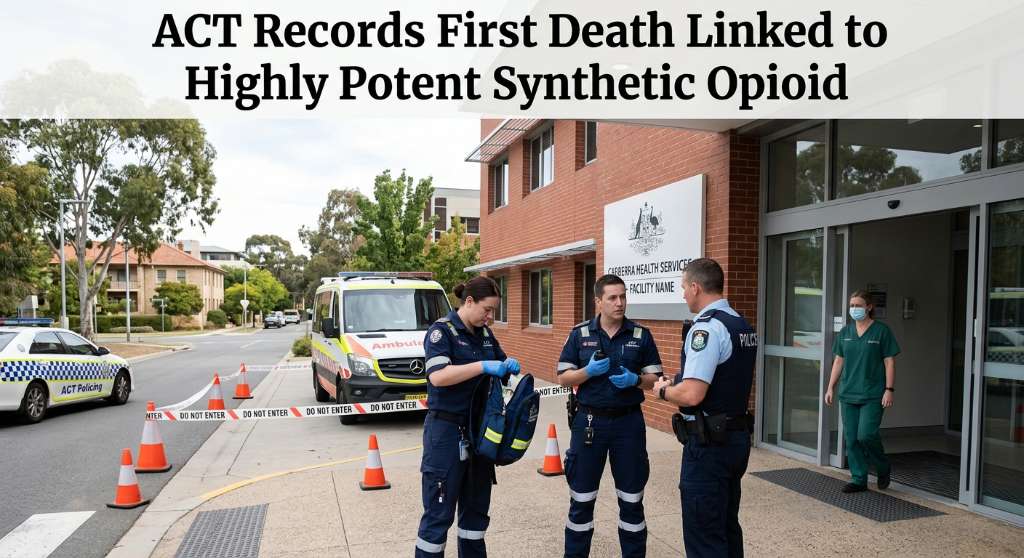
A Canberra woman has become the first person in the ACT whose death has been linked to a highly potent synthetic opioid, prompting renewed concern about...
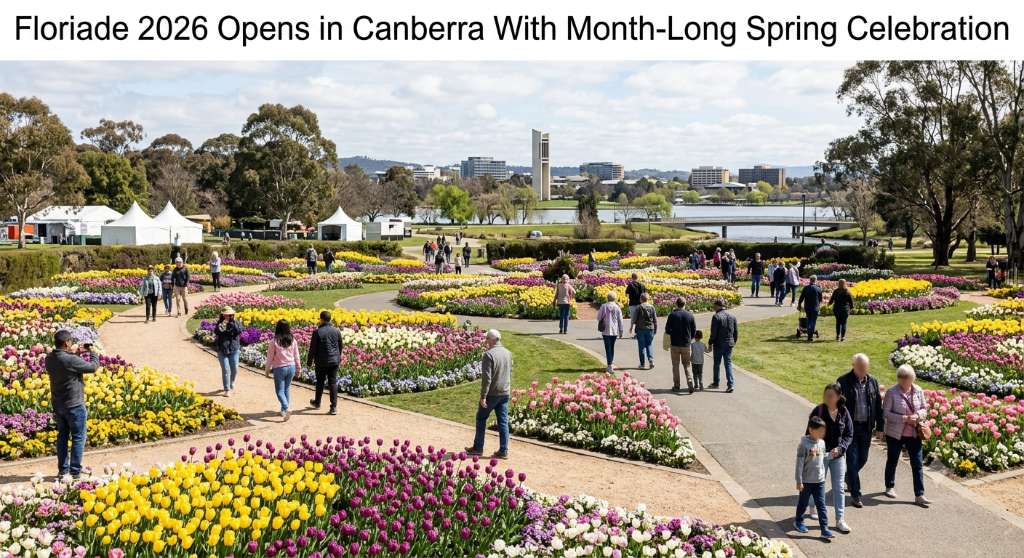
Canberra’s Commonwealth Park has welcomed visitors for the annual Floriade festival, bringing flowers, entertainment and spring activities to the city.
Cairns Regional Council has unanimously voted to seek $400,000 in Queensland Government funding for a program designed to connect local businesses with the region’s growing film...
An automated external defibrillator and memorial plaque have been installed at Ellery Creek Big Hole following the death of disability advocate Ellen Fr...
Queensland firefighters spent several hours monitoring a significant grass fire at Mary Kinross Park in Bargara, near Bundaberg, after the blaze broke out on Wednesday evening....