Safety note: Admin approval is an initial review, not a guarantee that every detail is correct. Check important or urgent claims with official sources and report anything inaccurate or unsafe.
Source and credit: Contributor's own report
Geelong’s Homelessness Crisis Becomes Victoria’s Worst as Demand for Support Surges - Geelong, VIC
Smart summary
New figures show Geelong has recorded Victoria’s steepest rise in homelessness, putting growing pressure on local support services.
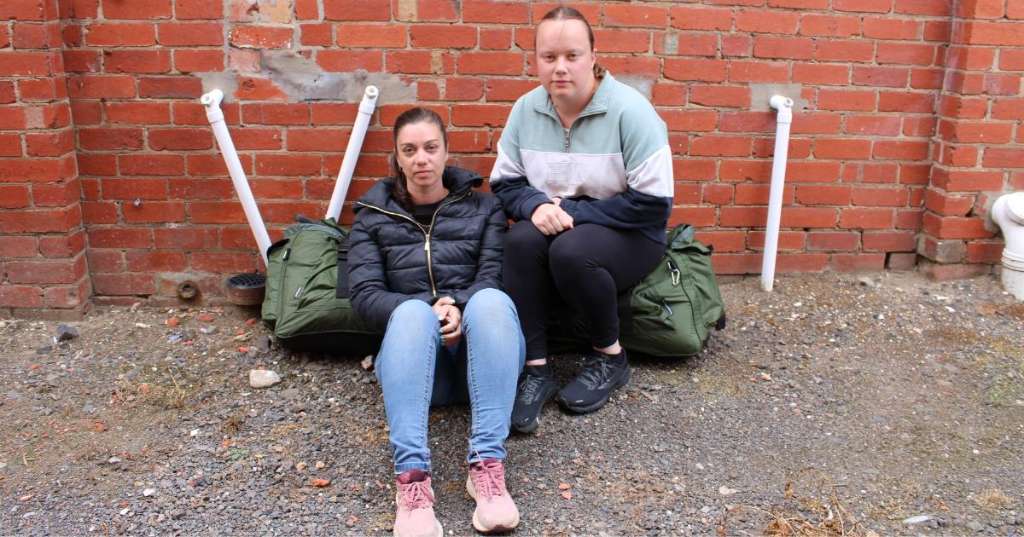
Geelong is facing growing pressure from homelessness, with new figures highlighting a sharp increase in the number of people experiencing homelessness across the region. The latest figures have placed Geelong at the centre of Victoria’s homelessness crisis, with frontline organisations reporting increasing demand for assistance.
Local homelessness services are dealing with more people seeking emergency accommodation, housing support and other essential assistance. The rise has placed additional pressure on organisations that are already working with limited resources and capacity.
According to today's report, Geelong has recorded the steepest increase in homelessness among Victorian regions. The figures have raised concerns about the availability and affordability of housing and the ability of support organisations to meet the needs of people experiencing homelessness.
Frontline workers have reported that some people seeking help are being turned away because services do not have enough available accommodation or resources to support everyone who needs assistance. This situation highlights the growing gap between demand for homelessness services and the available supply of housing and support.
Housing affordability is a major factor contributing to the pressure. Rising rents, limited availability of affordable properties and broader cost-of-living pressures can make it increasingly difficult for vulnerable people and families to maintain stable accommodation.
The issue affects more than people sleeping rough. Homelessness can include people living temporarily with friends or relatives, staying in emergency accommodation, moving between short-term arrangements or living in housing that does not provide adequate security or stability.
For Geelong, the increase comes as the city continues to experience population growth and development. While new investment and economic activity are creating opportunities, some residents are struggling to keep pace with housing costs.
Local support organisations play an important role in helping people experiencing homelessness. Their services can include emergency accommodation, food assistance, case management, housing applications and connections to health and social services.
However, demand can exceed capacity, particularly when affordable housing is difficult to secure. When people cannot find suitable long-term accommodation, they may remain dependent on temporary support for longer periods.
The latest figures are likely to increase pressure on governments and policymakers to consider additional measures addressing housing affordability and homelessness in Geelong. Possible responses could include increasing social and affordable housing, improving emergency accommodation capacity and providing additional funding to frontline services.
The situation also highlights the importance of early intervention. Helping people before they lose their housing can sometimes prevent homelessness from becoming a longer-term crisis.
Community organisations are continuing to call for greater investment in housing and support services as the number of people needing assistance rises. The latest data provides further evidence that homelessness is becoming a significant issue for the Geelong community.
The report was published today, 8 August 2026, and is a new Geelong-specific local news story. It is different from the other Geelong stories available today, including the AFL concussion-waiver coverage.
HomelessnessHousingPeopleGeelongSupport
Geelong is facing growing pressure from homelessness, with new figures highlighting a sharp increase in the number of people experiencing homelessness across the region. The latest figures have placed Geelong at the centre of Victoria’s homelessness crisis, with frontline organisations reporting increasing demand for assistance.
Local homelessness services are dealing with more people seeking emergency accommodation, housing support and other essential assistance. The rise has placed additional pressure on organisations that are already working with limited resources and capacity.
According to today's report, Geelong has recorded the steepest increase in homelessness among Victorian regions. The figures have raised concerns about the availability and affordability of housing and the ability of support organisations to meet the needs of people experiencing homelessness.
Frontline workers have reported that some people seeking help are being turned away because services do not have enough available accommodation or resources to support everyone who needs assistance. This situation highlights the growing gap between demand for homelessness services and the available supply of housing and support.
Housing affordability is a major factor contributing to the pressure. Rising rents, limited availability of affordable properties and broader cost-of-living pressures can make it increasingly difficult for vulnerable people and families to maintain stable accommodation.
The issue affects more than people sleeping rough. Homelessness can include people living temporarily with friends or relatives, staying in emergency accommodation, moving between short-term arrangements or living in housing that does not provide adequate security or stability.
For Geelong, the increase comes as the city continues to experience population growth and development. While new investment and economic activity are creating opportunities, some residents are struggling to keep pace with housing costs.
Local support organisations play an important role in helping people experiencing homelessness. Their services can include emergency accommodation, food assistance, case management, housing applications and connections to health and social services.
However, demand can exceed capacity, particularly when affordable housing is difficult to secure. When people cannot find suitable long-term accommodation, they may remain dependent on temporary support for longer periods.
The latest figures are likely to increase pressure on governments and policymakers to consider additional measures addressing housing affordability and homelessness in Geelong. Possible responses could include increasing social and affordable housing, improving emergency accommodation capacity and providing additional funding to frontline services.
The situation also highlights the importance of early intervention. Helping people before they lose their housing can sometimes prevent homelessness from becoming a longer-term crisis.
Community organisations are continuing to call for greater investment in housing and support services as the number of people needing assistance rises. The latest data provides further evidence that homelessness is becoming a significant issue for the Geelong community.
The report was published today, 8 August 2026, and is a new Geelong-specific local news story. It is different from the other Geelong stories available today, including the AFL concussion-waiver coverage.
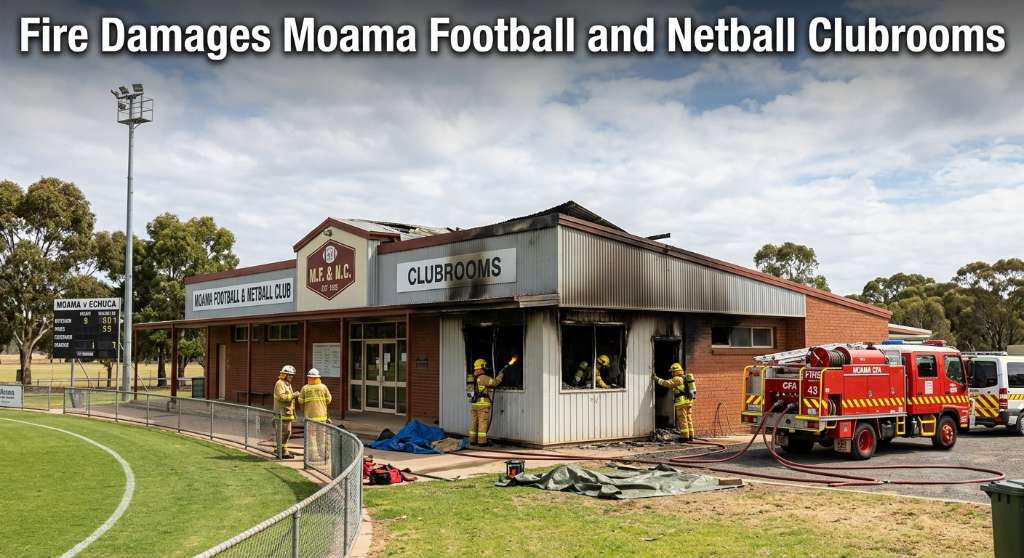
A fire damaged the Moama Football and Netball Club's social rooms during Saturday's grand final, forcing about 1,000 people to leave the building becaus...
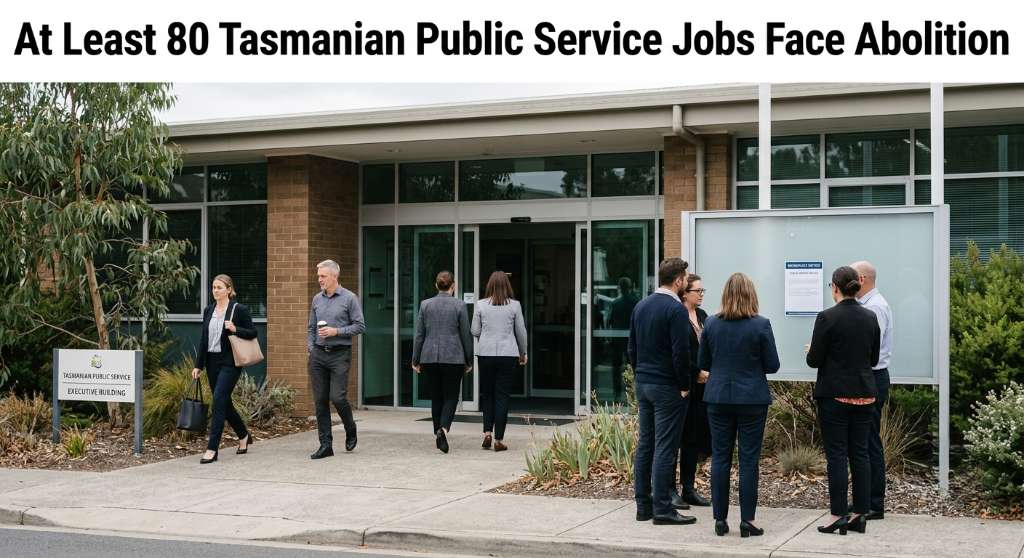
At least 80 positions have been identified for abolition as Tasmania restructures parts of its public service and works toward a broader reduction in go...
A local investor has purchased Brisbane's historic Coorparoo Bowls Club, with both bowling greens set to remain and the clubhouse planned for renovation.
A Bendigo-based migration agent has raised concerns about proposed changes to Australia’s migration system, saying the federal government’s planned reduction in net migration co...
Rose Tattoo frontman Gary “Angry” Anderson has died at 79 after a five-decade career spanning Australian rock music, television, film and youth advocacy.
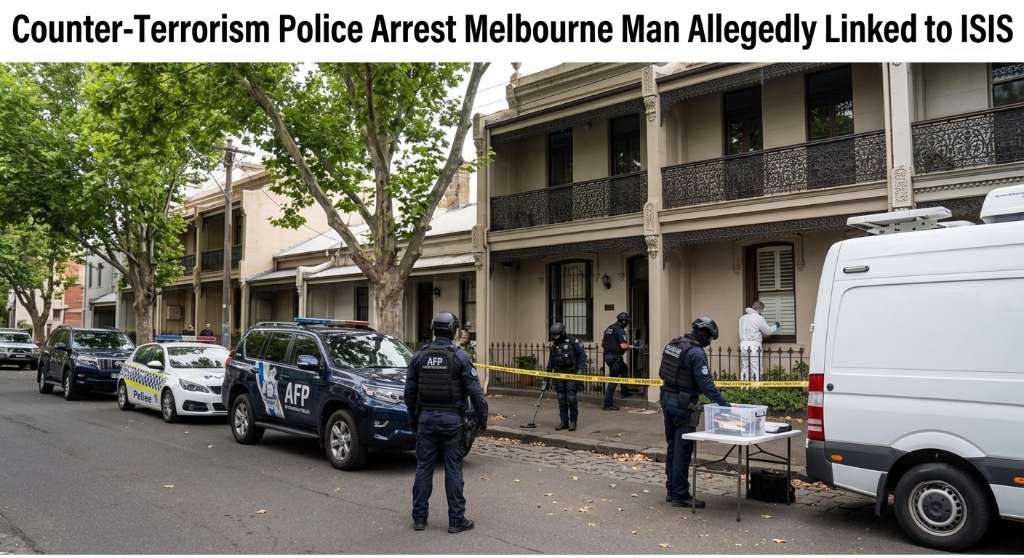
A 65-year-old Melbourne man has been arrested by counter-terrorism police, who allege he pledged allegiance to ISIS and distributed thousands of violent...
A 17-year-old has been sentenced to two years and nine months in detention for his role in a violent home invasion in Melbourne's east that left a man w...
Australian children's author and illustrator Terry Denton, best known for his long-running creative partnership on the popular Treehouse books, has died...
Administrators have revealed Australian Off Road owes about $9 million after the Sunshine Coast caravan manufacturer collapsed, leaving customers, emplo...
A woman has died following a serious three-vehicle collision involving a commercial bus and two cars in Glenburn, in Victoria’s Yarra Ranges, on Thursday, 24 September 2026. Eme...
A woman has died following a serious three-car collision in Leongatha, Victoria, on Wednesday afternoon, 23 September 2026. Emergency services were called to the Strzelecki High...
A Queensland parliamentary committee has completed regional hearings on proposed tougher bail laws, hearing from crime victims, legal experts and commun...