Safety note: Admin approval is an initial review, not a guarantee that every detail is correct. Check important or urgent claims with official sources and report anything inaccurate or unsafe.
Source and credit: Contributor's own report
Historic Frank Street House Becomes Symbol of Fight to Save Lismore’s Heritage - South Lismore, NSW
Smart summary
Residents and heritage activists are calling for the preservation of a historic South Lismore home, arguing the late-1800s property represents an important link to the region’s history despite being located on a flood...
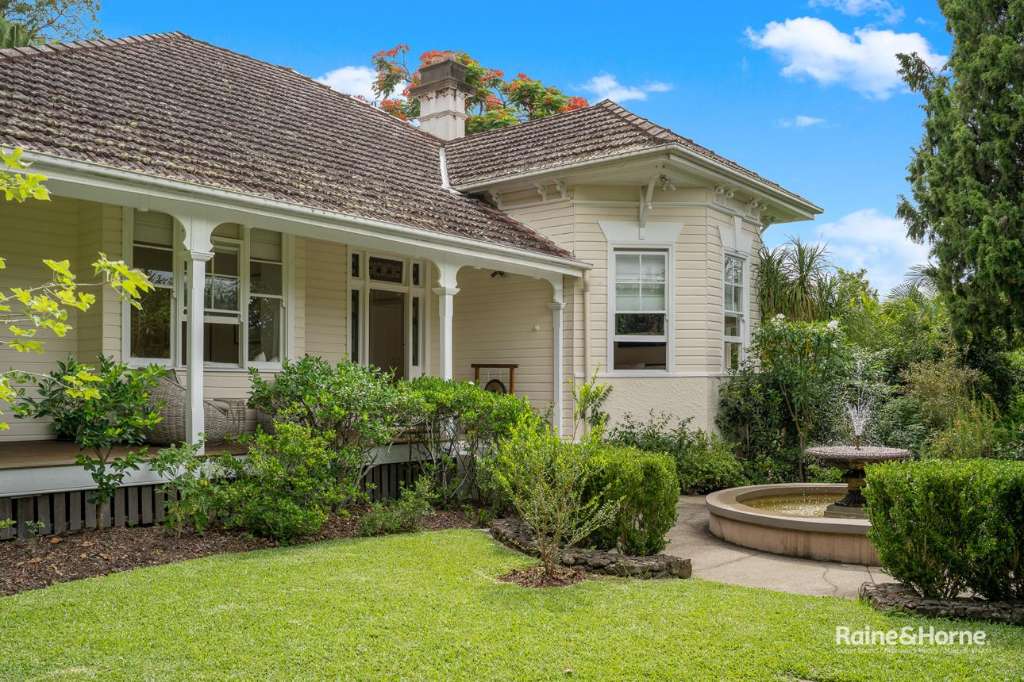
A historic house in Frank Street, South Lismore, has become the centre of a community campaign to protect the region’s heritage as authorities continue demolishing flood-affected properties bought back after the devastating 2022 Northern Rivers floods.
The late-1800s home is one of many properties acquired through the NSW Government’s Resilient Homes Program, which aims to reduce future flood risks by buying back houses considered unsuitable for relocation or continued occupation. Activists argue that some buildings hold significant historical value and should be preserved where possible rather than destroyed.
Community groups, including local recovery advocates and heritage campaigners, have called for a pause on demolitions while alternative options are explored. They say older homes contain valuable materials, stories and cultural connections that cannot be replaced once they are removed.
The Frank Street property has a special connection to the Schafer family, who lived in the house for generations. The family’s history is closely linked with early Lismore industry, including the workshop behind the home where Rudolph Schafer built one of the city’s first ambulances in the 1920s.
Family members said the house represents more than just a building. They believe it reflects the lives of earlier generations who helped shape the local community. They have called for efforts to move or preserve the home rather than allowing it to be demolished.
Heritage supporters have also highlighted the value of the timber used in many older Northern Rivers homes. Specialists say some of the original rainforest timbers found in these properties are extremely rare and cannot easily be replaced with modern materials.
Environmental and timber experts involved in salvage efforts say careful assessment is needed to recover valuable materials before demolition. They argue that recycling heritage materials can preserve part of the region’s history while also reducing waste sent to landfill.
The NSW Reconstruction Authority said hundreds of homes have been purchased through the Resilient Homes Program, with many prioritised for relocation, reuse or recycling where possible. The authority said demolition remains necessary for properties that cannot safely remain or be relocated.
According to the authority, more than 200 homes have already been demolished, with additional demolitions planned as the program continues. Officials said recycled materials from demolished properties are being recovered where possible, excluding hazardous materials such as asbestos.
The debate reflects a wider challenge facing flood-affected communities: balancing future disaster safety with the preservation of local history. While some residents support removing homes from high-risk flood areas, others believe more consideration should be given to heritage value and opportunities for restoration.
For campaigners, Frank Street represents a larger question about how communities rebuild after natural disasters. They argue recovery should not only focus on removing damaged structures but also protecting the stories, craftsmanship and memories contained within older buildings.
As discussions continue, the future of the Frank Street house remains uncertain. Residents hope a solution can be found that protects both community safety and a valuable piece of Lismore’s history.
HomesHeritageMaterialsTheyFrank
A historic house in Frank Street, South Lismore, has become the centre of a community campaign to protect the region’s heritage as authorities continue demolishing flood-affected properties bought back after the devastating 2022 Northern Rivers floods.
The late-1800s home is one of many properties acquired through the NSW Government’s Resilient Homes Program, which aims to reduce future flood risks by buying back houses considered unsuitable for relocation or continued occupation. Activists argue that some buildings hold significant historical value and should be preserved where possible rather than destroyed.
Community groups, including local recovery advocates and heritage campaigners, have called for a pause on demolitions while alternative options are explored. They say older homes contain valuable materials, stories and cultural connections that cannot be replaced once they are removed.
The Frank Street property has a special connection to the Schafer family, who lived in the house for generations. The family’s history is closely linked with early Lismore industry, including the workshop behind the home where Rudolph Schafer built one of the city’s first ambulances in the 1920s.
Family members said the house represents more than just a building. They believe it reflects the lives of earlier generations who helped shape the local community. They have called for efforts to move or preserve the home rather than allowing it to be demolished.
Heritage supporters have also highlighted the value of the timber used in many older Northern Rivers homes. Specialists say some of the original rainforest timbers found in these properties are extremely rare and cannot easily be replaced with modern materials.
Environmental and timber experts involved in salvage efforts say careful assessment is needed to recover valuable materials before demolition. They argue that recycling heritage materials can preserve part of the region’s history while also reducing waste sent to landfill.
The NSW Reconstruction Authority said hundreds of homes have been purchased through the Resilient Homes Program, with many prioritised for relocation, reuse or recycling where possible. The authority said demolition remains necessary for properties that cannot safely remain or be relocated.
According to the authority, more than 200 homes have already been demolished, with additional demolitions planned as the program continues. Officials said recycled materials from demolished properties are being recovered where possible, excluding hazardous materials such as asbestos.
The debate reflects a wider challenge facing flood-affected communities: balancing future disaster safety with the preservation of local history. While some residents support removing homes from high-risk flood areas, others believe more consideration should be given to heritage value and opportunities for restoration.
For campaigners, Frank Street represents a larger question about how communities rebuild after natural disasters. They argue recovery should not only focus on removing damaged structures but also protecting the stories, craftsmanship and memories contained within older buildings.
As discussions continue, the future of the Frank Street house remains uncertain. Residents hope a solution can be found that protects both community safety and a valuable piece of Lismore’s history.
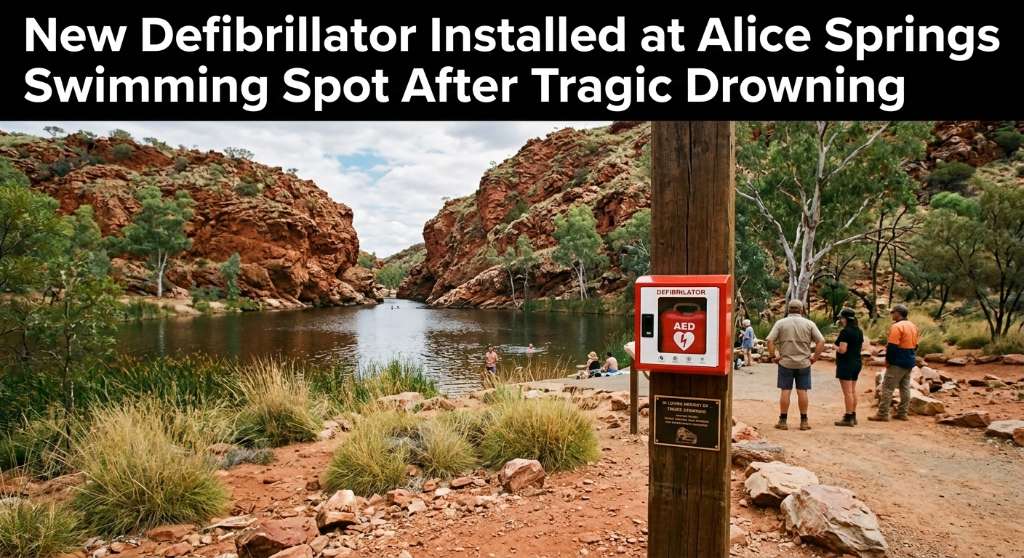
An automated external defibrillator and memorial plaque have been installed at Ellery Creek Big Hole following the death of disability advocate Ellen Fr...
Bathurst New South Wales · Community News · 17 Sep 2026
Kerry “Pecky” Peck, a long-standing Bathurst radio personality, has been inducted into the Bathurst Business Hall of Fame in recognition of his extensive contribution to the loc...
A new specialist family-violence support model has been introduced in Ballarat, with dedicated workers now embedded alongside Victoria Police to help people experiencing family...
Orange New South Wales · Community News · 17 Sep 2026
Orange City Council has elected a new Deputy Mayor for the next two years, with the decision announced today, 17 September 2026. The council said the election took place during...
A 36-year-old man has been charged after investigators allegedly found fraudulent identification documents, cloned number plates, cash and drug-manufact...
A Sydney court has heard that a man sent 249 messages to a former partner within 24 hours, with the messages treated as a single alleged breach of an ap...
A high-profile athlete has returned to court and told the hearing that an alleged unwanted kiss by former broadcaster Alan Jones remained difficult to f...
Work on the $150 million Sydney Town Hall Square project has been paused after the NSW Planning Minister referred the development for review by the Inde...
Cairns Regional Council has unanimously voted to seek $400,000 in Queensland Government funding for a program designed to connect local businesses with the region’s growing film...
An automated external defibrillator and memorial plaque have been installed at Ellery Creek Big Hole following the death of disability advocate Ellen Fr...
Queensland firefighters spent several hours monitoring a significant grass fire at Mary Kinross Park in Bargara, near Bundaberg, after the blaze broke out on Wednesday evening....