Safety note: Admin approval is an initial review, not a guarantee that every detail is correct. Check important or urgent claims with official sources and report anything inaccurate or unsafe.
Source and credit: Contributor's own report
Rare Sub-Antarctic Petrels Spotted Alive at Sea Off NSW Coast for the First Time - Port Macquarie, NSW
Smart summary
Birdwatchers have recorded two extremely rare Southern Ocean seabirds — the Kerguelen petrel and grey petrel — alive at sea off Port Macquarie, marking the first confirmed live sightings of both species in NSW waters.
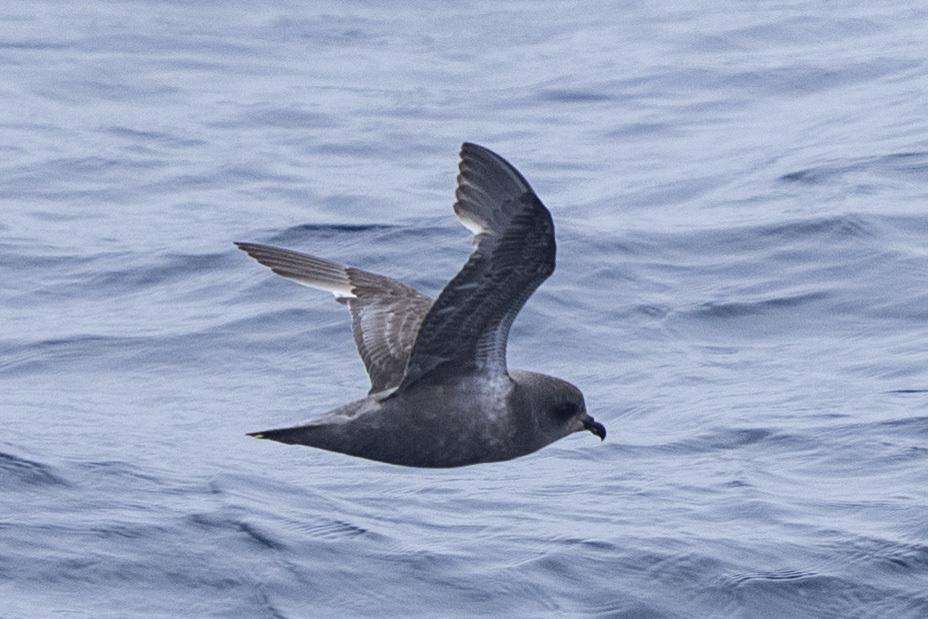
A remarkable wildlife discovery has occurred off the NSW Mid North Coast, with two rare sub-Antarctic seabirds photographed alive at sea for the first time in New South Wales.
Wildlife photographer James Bennett captured images of a Kerguelen petrel and a grey petrel during a bird-watching trip offshore from Port Macquarie. The sightings were described by experts as extremely rare and significant for Australian bird records.
Neither species had previously been officially recorded alive at sea in NSW waters. Earlier records involved birds found washed ashore, including a grey petrel recorded at Ballina in 1985 and a Kerguelen petrel found at Callala Bay in 2016.
The discovery has excited birdwatchers and marine researchers because these birds usually spend their lives in the cold waters of the Southern Ocean, far from the NSW coastline. Experts said the sightings represent an unusual movement of sub-Antarctic species much farther north than normally expected.
Bird Life Australia representative Mick Roderick, who is involved with the NSW Ornithological Records Appraisal Committee, said the evidence from the sightings was clear and described the event as exceptionally rare.
Researchers believe unusual ocean conditions, storms and possible changes in food availability may have contributed to the movement of these seabirds into Australian waters. Scientists have recently observed several cold-water species appearing further north than usual, including blue petrels and light-mantled albatrosses.
Monash University ornithologist Rohan Clarke said the appearance of multiple Southern Ocean seabird species along the Australian east coast was part of an unusual marine event. Large numbers of species normally associated with colder regions have recently been detected in areas where they are rarely seen.
The sightings have also occurred during increased monitoring of avian influenza (bird flu) among wild seabirds in Australia. Experts said the presence of some seabirds in unusual locations has raised questions about movement patterns and disease monitoring, although the rare Port Macquarie sightings were considered a separate phenomenon from sick birds arriving onshore.
Wildlife experts explained that healthy migratory seabirds can naturally travel enormous distances across oceans. However, seeing species such as Kerguelen petrels and grey petrels close to NSW remains uncommon because they are typically associated with remote Southern Ocean environments.
For local birdwatchers, the discovery represents a once-in-a-lifetime opportunity. James Bennett said witnessing the Kerguelen petrel was an unforgettable experience and something he would remember for the rest of his life.
The event highlights the importance of offshore wildlife monitoring and the role of citizen scientists in documenting rare species. Photographers, boat operators and bird enthusiasts often provide valuable information that helps researchers understand changes in marine ecosystems.
Scientists will continue monitoring seabird movements to better understand why unusual numbers of Southern Ocean species are appearing along Australia's coastline.
The rare sightings off Port Macquarie have become a major moment for NSW wildlife records, providing researchers with new information about seabird migration, ocean conditions and the changing marine environment.
SpeciesRareOceanSightingsPetrel
A remarkable wildlife discovery has occurred off the NSW Mid North Coast, with two rare sub-Antarctic seabirds photographed alive at sea for the first time in New South Wales.
Wildlife photographer James Bennett captured images of a Kerguelen petrel and a grey petrel during a bird-watching trip offshore from Port Macquarie. The sightings were described by experts as extremely rare and significant for Australian bird records.
Neither species had previously been officially recorded alive at sea in NSW waters. Earlier records involved birds found washed ashore, including a grey petrel recorded at Ballina in 1985 and a Kerguelen petrel found at Callala Bay in 2016.
The discovery has excited birdwatchers and marine researchers because these birds usually spend their lives in the cold waters of the Southern Ocean, far from the NSW coastline. Experts said the sightings represent an unusual movement of sub-Antarctic species much farther north than normally expected.
Bird Life Australia representative Mick Roderick, who is involved with the NSW Ornithological Records Appraisal Committee, said the evidence from the sightings was clear and described the event as exceptionally rare.
Researchers believe unusual ocean conditions, storms and possible changes in food availability may have contributed to the movement of these seabirds into Australian waters. Scientists have recently observed several cold-water species appearing further north than usual, including blue petrels and light-mantled albatrosses.
Monash University ornithologist Rohan Clarke said the appearance of multiple Southern Ocean seabird species along the Australian east coast was part of an unusual marine event. Large numbers of species normally associated with colder regions have recently been detected in areas where they are rarely seen.
The sightings have also occurred during increased monitoring of avian influenza (bird flu) among wild seabirds in Australia. Experts said the presence of some seabirds in unusual locations has raised questions about movement patterns and disease monitoring, although the rare Port Macquarie sightings were considered a separate phenomenon from sick birds arriving onshore.
Wildlife experts explained that healthy migratory seabirds can naturally travel enormous distances across oceans. However, seeing species such as Kerguelen petrels and grey petrels close to NSW remains uncommon because they are typically associated with remote Southern Ocean environments.
For local birdwatchers, the discovery represents a once-in-a-lifetime opportunity. James Bennett said witnessing the Kerguelen petrel was an unforgettable experience and something he would remember for the rest of his life.
The event highlights the importance of offshore wildlife monitoring and the role of citizen scientists in documenting rare species. Photographers, boat operators and bird enthusiasts often provide valuable information that helps researchers understand changes in marine ecosystems.
Scientists will continue monitoring seabird movements to better understand why unusual numbers of Southern Ocean species are appearing along Australia's coastline.
The rare sightings off Port Macquarie have become a major moment for NSW wildlife records, providing researchers with new information about seabird migration, ocean conditions and the changing marine environment.
Newcastle Museum will host the fifth annual Hunter Science Festival on 23 August, featuring 40 interactive exhibits, combat robots, science shows and ha...
The Australian Reptile Park’s funnel-web spider program has reached a significant milestone as efforts continue to secure the future of Australia’s crit...
A 36-year-old man has been charged after investigators allegedly found fraudulent identification documents, cloned number plates, cash and drug-manufact...
A Sydney court has heard that a man sent 249 messages to a former partner within 24 hours, with the messages treated as a single alleged breach of an ap...
A high-profile athlete has returned to court and told the hearing that an alleged unwanted kiss by former broadcaster Alan Jones remained difficult to f...
Work on the $150 million Sydney Town Hall Square project has been paused after the NSW Planning Minister referred the development for review by the Inde...
Cairns Regional Council has unanimously voted to seek $400,000 in Queensland Government funding for a program designed to connect local businesses with the region’s growing film...
An automated external defibrillator and memorial plaque have been installed at Ellery Creek Big Hole following the death of disability advocate Ellen Fr...
Queensland firefighters spent several hours monitoring a significant grass fire at Mary Kinross Park in Bargara, near Bundaberg, after the blaze broke out on Wednesday evening....