Safety note: Admin approval is an initial review, not a guarantee that every detail is correct. Check important or urgent claims with official sources and report anything inaccurate or unsafe.
Source and credit: Contributor's own report
Inquest calls for racing safety changes after death of French apprentice jockey Marina Morel - Gulgong, NSW
Smart summary
A coronial inquest into the death of apprentice jockey Marina Morel has raised concerns about horse injury reporting rules and return-to-training procedures in NSW racing.
A coronial inquest into the death of French apprentice jockey Marina Morel has highlighted potential improvements needed in horse injury reporting and safety procedures within New South Wales racing.
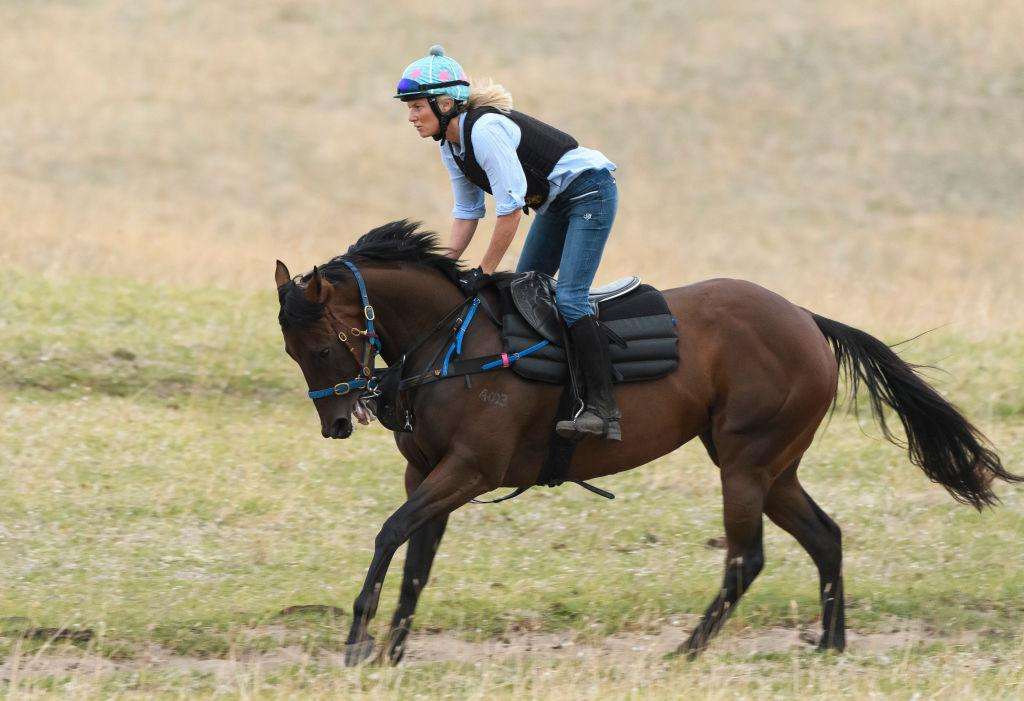
Marina Morel, aged 30, died after a tragic trackwork accident at Gulgong Turf Club in central western NSW on 8 February 2022. She was riding the racehorse Lina’s Choice during training when the horse suffered a catastrophic injury and collapsed, throwing Morel from the saddle. She was transported to Westmead Hospital in Sydney but later died from her injuries.
The inquest examined the circumstances surrounding the horse’s condition before the accident, including whether previous injuries and veterinary recommendations were properly considered before Lina’s Choice returned to training.
Evidence presented during the inquest indicated that Lina’s Choice had suffered a partial ligament injury in March 2021. A veterinarian had recommended a period of recovery, including rest and rehabilitation, before the horse returned to racing activities. The court heard that the horse resumed training earlier than the original recommendation period.
Experts examined whether the horse’s previous injury may have contributed to a stress fracture that later caused the fatal collapse. Some witnesses told the court that further veterinary assessment before returning to work may have identified potential risks.
The inquest also looked at Racing NSW policies regarding the reporting of significant horse injuries. Counsel assisting the coroner suggested that clearer guidelines were needed around which injuries must be reported and when veterinary assessments should occur before horses return to training.
Marina Morel’s family has said they do not blame individuals for her death but hope the investigation leads to stronger safety measures that could prevent similar tragedies in the future. They described Marina as passionate, courageous and deeply connected to horses.
Morel moved from France to Australia in 2014 to pursue her dream of becoming a professional jockey. She had ridden horses since childhood and was regarded within racing circles as a talented and dedicated horsewoman.
The inquest heard that Marina was also an organ donor and that her donation helped save two people’s lives after her death. Her family’s testimony highlighted the lasting impact of her loss and the importance of learning from the tragedy.
Since the incident, some racing practices have changed, including stronger approaches to veterinary checks before horses return to training after injuries. Recommendations from the coroner are expected to focus on improving safety systems across the racing industry.
The case has renewed discussion about the risks faced by jockeys and the importance of ensuring both horse and rider safety. Horse racing involves significant risks, and industry leaders continue to review procedures designed to reduce injuries and improve welfare standards.
The NSW Coroner is expected to deliver final findings on 21 August 2026. The recommendations may influence future racing policies, particularly around injury reporting, veterinary checks and training decisions.
HorseRacingInjuriesInquestMarina
A coronial inquest into the death of French apprentice jockey Marina Morel has highlighted potential improvements needed in horse injury reporting and safety procedures within New South Wales racing.
Marina Morel, aged 30, died after a tragic trackwork accident at Gulgong Turf Club in central western NSW on 8 February 2022. She was riding the racehorse Lina’s Choice during training when the horse suffered a catastrophic injury and collapsed, throwing Morel from the saddle. She was transported to Westmead Hospital in Sydney but later died from her injuries.
The inquest examined the circumstances surrounding the horse’s condition before the accident, including whether previous injuries and veterinary recommendations were properly considered before Lina’s Choice returned to training.
Evidence presented during the inquest indicated that Lina’s Choice had suffered a partial ligament injury in March 2021. A veterinarian had recommended a period of recovery, including rest and rehabilitation, before the horse returned to racing activities. The court heard that the horse resumed training earlier than the original recommendation period.
Experts examined whether the horse’s previous injury may have contributed to a stress fracture that later caused the fatal collapse. Some witnesses told the court that further veterinary assessment before returning to work may have identified potential risks.
The inquest also looked at Racing NSW policies regarding the reporting of significant horse injuries. Counsel assisting the coroner suggested that clearer guidelines were needed around which injuries must be reported and when veterinary assessments should occur before horses return to training.
Marina Morel’s family has said they do not blame individuals for her death but hope the investigation leads to stronger safety measures that could prevent similar tragedies in the future. They described Marina as passionate, courageous and deeply connected to horses.
Morel moved from France to Australia in 2014 to pursue her dream of becoming a professional jockey. She had ridden horses since childhood and was regarded within racing circles as a talented and dedicated horsewoman.
The inquest heard that Marina was also an organ donor and that her donation helped save two people’s lives after her death. Her family’s testimony highlighted the lasting impact of her loss and the importance of learning from the tragedy.
Since the incident, some racing practices have changed, including stronger approaches to veterinary checks before horses return to training after injuries. Recommendations from the coroner are expected to focus on improving safety systems across the racing industry.
The case has renewed discussion about the risks faced by jockeys and the importance of ensuring both horse and rider safety. Horse racing involves significant risks, and industry leaders continue to review procedures designed to reduce injuries and improve welfare standards.
The NSW Coroner is expected to deliver final findings on 21 August 2026. The recommendations may influence future racing policies, particularly around injury reporting, veterinary checks and training decisions.
Queensland's emerging football prospects are coming together for a three-day Brisbane Lions State Academy showcase, giving young players an opportunity...
Twenty leading NPL Queensland players have been selected for two upcoming matches against Brisbane Roar as part of the 2026 Mitre Festival of Football.
Global diesel shortages and disrupted shipping routes are pushing up fuel costs and creating growing risks for Australia’s farmers, miners and wider eco...
A push is underway to expand NSW Police drone technology to Gunnedah, with the equipment proposed for crime response, offender searches and emergencies.
Cairns Regional Council has unanimously voted to seek $400,000 in Queensland Government funding for a program designed to connect local businesses with the region’s growing film...
An automated external defibrillator and memorial plaque have been installed at Ellery Creek Big Hole following the death of disability advocate Ellen Fr...
Queensland firefighters spent several hours monitoring a significant grass fire at Mary Kinross Park in Bargara, near Bundaberg, after the blaze broke out on Wednesday evening....