Safety note: Admin approval is an initial review, not a guarantee that every detail is correct. Check important or urgent claims with official sources and report anything inaccurate or unsafe.
Source and credit: Contributor's own report
Inside the Burnett River flood clean-up as boats, pontoons and debris are recovered - Bundaberg, Queensland
Smart summary
Three months after major flooding in Bundaberg, a massive recovery operation is underway along the Burnett River, where damaged boats, missing pontoons and debris are being salvaged and waterways slowly restored.
A detailed look at the aftermath of severe flooding in the Burnett River catchment shows the scale of destruction still being dealt with months after floodwaters tore through the Bundaberg region, leaving behind damaged infrastructure, lost vessels and widespread environmental disruption.
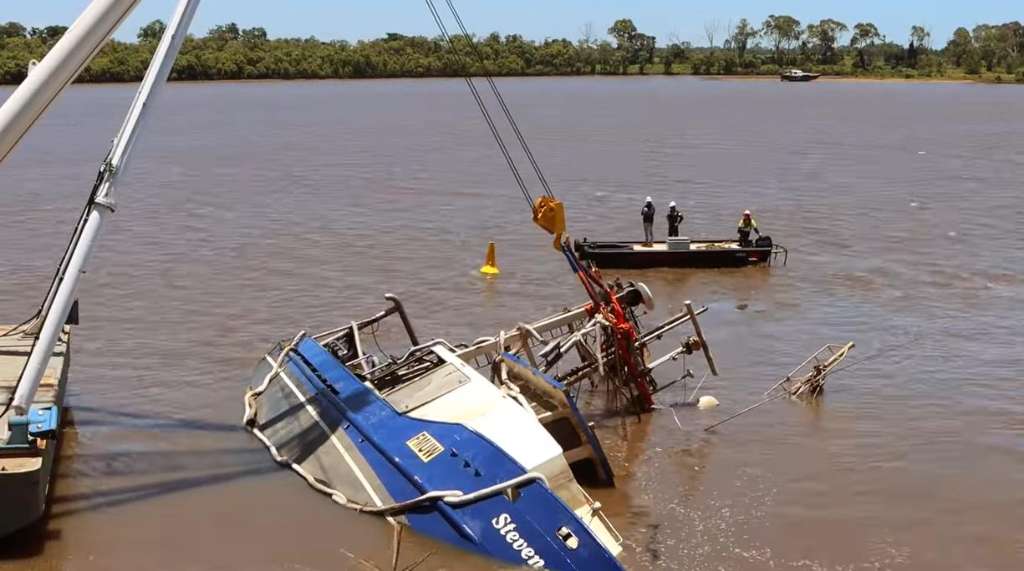
The flood event earlier in the year saw the Burnett River swell dramatically, inundating low-lying areas and sweeping boats, pontoons and debris downstream. According to recovery teams, around 40 vessels were damaged or destroyed, with many washed far from their original moorings and later discovered in unexpected sections of the river and surrounding waterways.
In the weeks and months following the disaster, a coordinated clean-up effort has been underway involving local businesses, volunteers and Maritime Safety Queensland (MSQ). Recovery crews have been working to locate submerged or stranded vessels, remove hazardous debris and clear navigation channels that were heavily impacted by flood movement.
One of the biggest challenges has been the displacement of pontoons and marine infrastructure. Around 26 pontoons were reported missing or displaced, with some carried significant distances by strong flood currents before becoming lodged in mangroves, riverbanks or shallow sections of the river. These structures require careful removal to avoid further environmental damage.
Local slipway operators and marine contractors have described the recovery process as both physically demanding and emotionally difficult, with many boat owners returning to find their vessels severely damaged or completely destroyed. Some boats were partially submerged or overturned, while others were found buried in sediment or tangled in debris.
The clean-up is not only focused on removing visible wreckage but also addressing environmental risks. Fuel leaks, oils and hazardous materials from damaged vessels pose ongoing concerns for water quality and aquatic life in the river system. As a result, recovery teams have been taking additional precautions when lifting and dismantling wreckage.
Bundaberg residents and business owners along the river have also been dealing with the economic consequences of the flood. Marinas, tourism operators and marine services have faced disruptions as waterways remain partially restricted during clean-up operations. In some cases, businesses have had to pause operations entirely while recovery work continues nearby.
Despite the scale of damage, authorities say progress is steadily being made. The river system is gradually being cleared, and navigation access is slowly improving as wreckage is removed. However, full restoration is expected to take considerable time due to the dispersed nature of debris and the complexity of submerged recoveries.
The event has reinforced long-standing concerns about the vulnerability of the Burnett River system to major flood events, particularly during intense rainfall across the Wide Bay–Burnett region. Historical floods in the area have repeatedly shown how quickly river levels can rise, causing widespread disruption to communities, agriculture and infrastructure.
Recovery agencies continue to emphasise the importance of preparedness, insurance coverage and proper mooring practices for boats in flood-prone areas. They also note that lessons from this clean-up will inform future emergency response strategies for river-based communities across Queensland.
While the immediate floodwaters have long receded, the Burnett River clean-up highlights that the impact of major flooding does not end when the water drops — it often continues for months or even years as communities rebuild, recover and adapt to increasingly severe weather events.
RiverBurnettClean-UpFloodRecovery
A detailed look at the aftermath of severe flooding in the Burnett River catchment shows the scale of destruction still being dealt with months after floodwaters tore through the Bundaberg region, leaving behind damaged infrastructure, lost vessels and widespread environmental disruption.
The flood event earlier in the year saw the Burnett River swell dramatically, inundating low-lying areas and sweeping boats, pontoons and debris downstream. According to recovery teams, around 40 vessels were damaged or destroyed, with many washed far from their original moorings and later discovered in unexpected sections of the river and surrounding waterways.
In the weeks and months following the disaster, a coordinated clean-up effort has been underway involving local businesses, volunteers and Maritime Safety Queensland (MSQ). Recovery crews have been working to locate submerged or stranded vessels, remove hazardous debris and clear navigation channels that were heavily impacted by flood movement.
One of the biggest challenges has been the displacement of pontoons and marine infrastructure. Around 26 pontoons were reported missing or displaced, with some carried significant distances by strong flood currents before becoming lodged in mangroves, riverbanks or shallow sections of the river. These structures require careful removal to avoid further environmental damage.
Local slipway operators and marine contractors have described the recovery process as both physically demanding and emotionally difficult, with many boat owners returning to find their vessels severely damaged or completely destroyed. Some boats were partially submerged or overturned, while others were found buried in sediment or tangled in debris.
The clean-up is not only focused on removing visible wreckage but also addressing environmental risks. Fuel leaks, oils and hazardous materials from damaged vessels pose ongoing concerns for water quality and aquatic life in the river system. As a result, recovery teams have been taking additional precautions when lifting and dismantling wreckage.
Bundaberg residents and business owners along the river have also been dealing with the economic consequences of the flood. Marinas, tourism operators and marine services have faced disruptions as waterways remain partially restricted during clean-up operations. In some cases, businesses have had to pause operations entirely while recovery work continues nearby.
Despite the scale of damage, authorities say progress is steadily being made. The river system is gradually being cleared, and navigation access is slowly improving as wreckage is removed. However, full restoration is expected to take considerable time due to the dispersed nature of debris and the complexity of submerged recoveries.
The event has reinforced long-standing concerns about the vulnerability of the Burnett River system to major flood events, particularly during intense rainfall across the Wide Bay–Burnett region. Historical floods in the area have repeatedly shown how quickly river levels can rise, causing widespread disruption to communities, agriculture and infrastructure.
Recovery agencies continue to emphasise the importance of preparedness, insurance coverage and proper mooring practices for boats in flood-prone areas. They also note that lessons from this clean-up will inform future emergency response strategies for river-based communities across Queensland.
While the immediate floodwaters have long receded, the Burnett River clean-up highlights that the impact of major flooding does not end when the water drops — it often continues for months or even years as communities rebuild, recover and adapt to increasingly severe weather events.
A 48-hour burst of heavy rain has brought almost 100 millimetres to parts of Western Australia, damaging some crops while providing welcome moisture bef...
Three separate earthquakes were recorded near Port Hedland in Western Australia over the weekend, with more than 100 reports submitted to Geoscience Aus...
A 50-year-old man has died after being struck by a vehicle in Fernvale, west of Brisbane, with police launching a homicide investigation and arresting a...
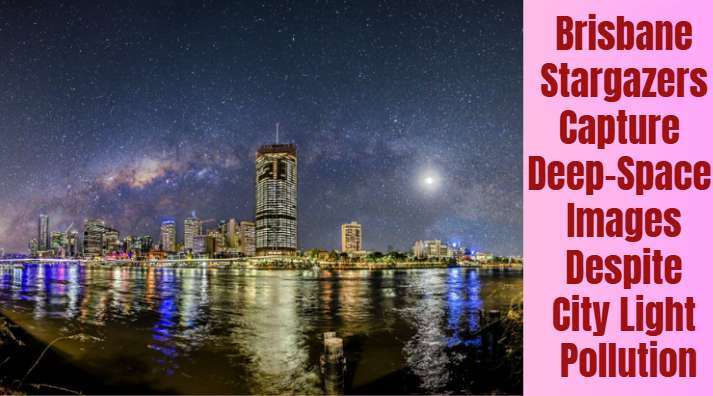
Amateur astronomers are using new telescope technology to photograph the Moon, planets and distant galaxies from Brisbane homes, showing that city skies...
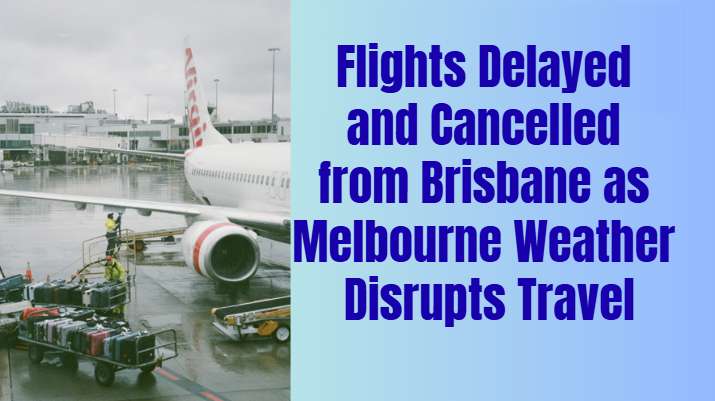
Severe weather in Melbourne has caused flight disruptions from Brisbane, with at least one flight cancelled and other services delayed as passengers tra...
Treasurer Jim Chalmers says the federal budget bottom line has improved by $6 billion compared with the May forecast, while the government faces pressur...
Northern Territory Police are investigating a series of alleged aggravated burglaries in Alice Springs after up to seven homes in the Araluen area were...