McPhillamys Gold Project Back on Track After New Development Plan
By Neha Maurya · Published 04 Jul 2026 · Updated 04 Jul 2026
Orange, NSW · New South Wales News
Safety note: Admin approval is an initial review, not a guarantee that every detail is correct. Check important or urgent claims with official sources and report anything inaccurate or unsafe.
Source and credit: Contributor's own report
McPhillamys Gold Project Back on Track After New Development Plan - Orange, NSW
Smart summary
Regis Resources says its $1 billion McPhillamys Gold Project near Blayney has been revived after developing an alternative tailings strategy that overcomes the obstacle created by a federal heritage protection decision.
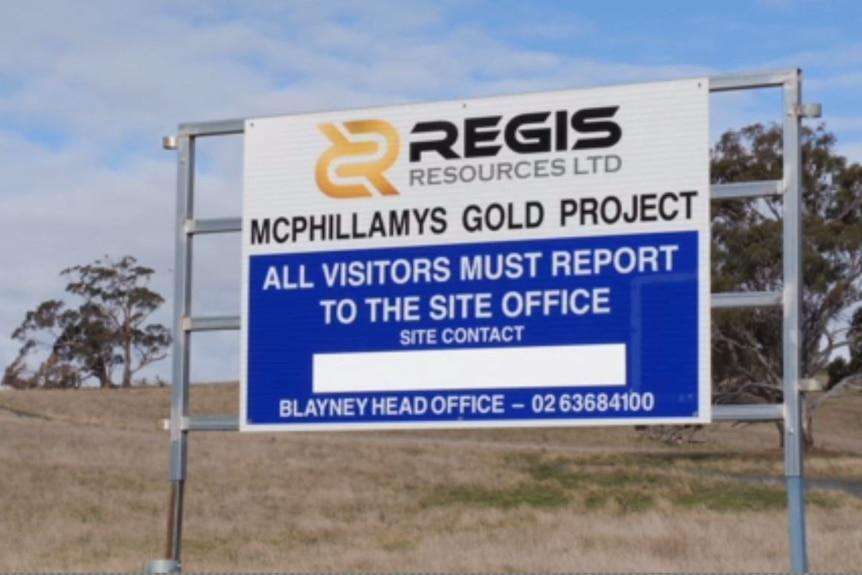
The McPhillamys Gold Project near Blayney in Central West New South Wales has taken a significant step towards development after Regis Resources unveiled a revised engineering plan designed to overcome a major regulatory setback that stalled the project nearly two years ago. The company says a new pre-feasibility study has demonstrated a viable alternative for managing mine waste, placing the billion-dollar project back on track.
The project was effectively halted in August 2024 after the Federal Government issued a Section 10 declaration under the Aboriginal and Torres Strait Islander Heritage Protection Act. The decision prevented construction of the originally proposed tailings storage facility because of concerns about the protection of a culturally significant site associated with the Belubula River. The ruling forced Regis Resources to suspend development and write down the value of the project while searching for an alternative solution.
Rather than abandoning the project, Regis undertook extensive engineering studies and has now proposed a new Integrated Waste Landform (IWL) approach. Instead of storing tailings in the previously planned facility, the revised design uses filtered tailings that would be co-disposed with waste rock in a specially engineered landform within the approved project footprint. The company says this approach removes the need for the previously rejected tailings dam while maintaining environmental and operational standards.
The updated pre-feasibility study has also reinstated the project's 1.89-million-ounce gold ore reserve, confirming the mine's long-term economic potential. Under the revised plan, McPhillamys is expected to produce an average of about 190,000 ounces of gold annually during its first nine years of operation. At current gold prices, Regis estimates the mine could generate billions of dollars in revenue while supporting hundreds of jobs during construction and operations.
Regis Resources Managing Director Jim Beyer said the revised strategy demonstrates the company's commitment to progressing the project despite earlier setbacks. The company is continuing legal action seeking judicial review of the 2024 heritage decision while simultaneously pursuing approvals for the alternative mine design, associated water pipeline and electricity infrastructure. This dual-track strategy is intended to maximise the chances of bringing the project into production.
The proposed mine remains an important economic project for the Central West region, with supporters highlighting potential employment opportunities, business investment and regional development. At the same time, cultural heritage protection remains a key consideration, and future approvals will require detailed environmental assessments and consultation with stakeholders before construction can begin.
Regis is targeting a final investment decision in the first half of 2028, subject to receiving all required approvals. While challenges remain, the new engineering solution has revived confidence that the McPhillamys Gold Project can proceed after one of the most significant planning setbacks faced by an Australian mining project in recent years.
ProjectGoldRegisMineWhile
The McPhillamys Gold Project near Blayney in Central West New South Wales has taken a significant step towards development after Regis Resources unveiled a revised engineering plan designed to overcome a major regulatory setback that stalled the project nearly two years ago. The company says a new pre-feasibility study has demonstrated a viable alternative for managing mine waste, placing the billion-dollar project back on track.
The project was effectively halted in August 2024 after the Federal Government issued a Section 10 declaration under the Aboriginal and Torres Strait Islander Heritage Protection Act. The decision prevented construction of the originally proposed tailings storage facility because of concerns about the protection of a culturally significant site associated with the Belubula River. The ruling forced Regis Resources to suspend development and write down the value of the project while searching for an alternative solution.
Rather than abandoning the project, Regis undertook extensive engineering studies and has now proposed a new Integrated Waste Landform (IWL) approach. Instead of storing tailings in the previously planned facility, the revised design uses filtered tailings that would be co-disposed with waste rock in a specially engineered landform within the approved project footprint. The company says this approach removes the need for the previously rejected tailings dam while maintaining environmental and operational standards.
The updated pre-feasibility study has also reinstated the project's 1.89-million-ounce gold ore reserve, confirming the mine's long-term economic potential. Under the revised plan, McPhillamys is expected to produce an average of about 190,000 ounces of gold annually during its first nine years of operation. At current gold prices, Regis estimates the mine could generate billions of dollars in revenue while supporting hundreds of jobs during construction and operations.
Regis Resources Managing Director Jim Beyer said the revised strategy demonstrates the company's commitment to progressing the project despite earlier setbacks. The company is continuing legal action seeking judicial review of the 2024 heritage decision while simultaneously pursuing approvals for the alternative mine design, associated water pipeline and electricity infrastructure. This dual-track strategy is intended to maximise the chances of bringing the project into production.
The proposed mine remains an important economic project for the Central West region, with supporters highlighting potential employment opportunities, business investment and regional development. At the same time, cultural heritage protection remains a key consideration, and future approvals will require detailed environmental assessments and consultation with stakeholders before construction can begin.
Regis is targeting a final investment decision in the first half of 2028, subject to receiving all required approvals. While challenges remain, the new engineering solution has revived confidence that the McPhillamys Gold Project can proceed after one of the most significant planning setbacks faced by an Australian mining project in recent years.
Sydney Chinatown institution Emperor’s Garden has reached an agreement to repay more than $1 million in tax debt, with discussions now underway about re...
A major developer has ended its involvement in the Eyre residential development in Adelaide's north, leaving South Australia's Renewal SA to take respon...
Chinese-owned Yongji Health has taken almost complete control of Tasmanian Botanics, one of Australia's largest medicinal cannabis producers, following...
The Western Australia Supreme Court has dismissed a $2.6 million claim brought by engineering companies over alleged damage to a commercial barge that w...
The upcoming Coffs Harbour bypass is expected to remove around 35,000 vehicles a day from the city's main highway route, prompting local businesses, inc...
Police are investigating the disappearance of hundreds of thousands of dollars' worth of cattle from an outback property in far-western New South Wales.
Armidale Regional Council will replace an ageing cast-iron water main in Ampol and Miller Streets with a modern system, with construction scheduled to b...
Young people from regional and remote Queensland communities are participating in youth councils and a state youth parliament, raising issues such as di...
A 29-year-old man from Aldinga has been charged with multiple drug, traffic and weapons offences after police allegedly found methamphetamine, other ill...
South Australian police have arrested a 22-year-old woman following an alleged assault on an elderly woman outside a business on Beach Road, Christies B...
Two men have been charged after a series of police raids across Cessnock, Denman, Muswellbrook and Singleton Heights uncovered 1,465 cannabis plants, wi...