Safety note: Admin approval is an initial review, not a guarantee that every detail is correct. Check important or urgent claims with official sources and report anything inaccurate or unsafe.
Source and credit: Contributor's own report
Mortgage Pressure Grows for Tasmanian Homeowners After Rate Rise - Hobart, TAS
Smart summary
Tasmanian homeowners and businesses are facing higher borrowing costs after the Reserve Bank lifted the cash rate to 4.6 per cent, with lower average wages adding to household pressure.
Tasmanian homeowners are assessing the impact of another increase in interest rates after the Reserve Bank of Australia lifted the cash rate by 0.25 percentage points to 4.6 per cent. The increase is the fourth cash-rate rise in 2026 and takes the official rate to its highest level in almost 15 years.
The latest increase is expected to affect household budgets through higher mortgage repayments. According to analysis cited by ABC News, a borrower with Tasmania's average new loan size of about $505,000 could see minimum monthly repayments increase by approximately $81, based on a 30-year variable-rate loan at 5.5 per cent. Across the four rate rises this year, the same borrower would face an estimated additional $322 in monthly repayments compared with before the increases.
The impact is particularly significant in Tasmania because average wages are lower than in other Australian states. Australian Bureau of Statistics figures cited in the report put Tasmania's average weekly earnings at $1,846.30, compared with $2,083.70 nationally. At the same time, the median property value in Hobart is now above $750,000, according to Cotality figures cited by ABC.
Tasmanian homeowners interviewed about the increase said they were reviewing household spending and considering ways to absorb higher repayments. Some families may need to increase working hours or reconsider future housing decisions if borrowing costs continue to rise. These are individual experiences rather than evidence that every Tasmanian household is facing the same level of financial pressure.
The effects are also being felt by businesses. A café and brewery owner in Burnie told ABC that customers and staff were discussing the effect of rising interest rates and household affordability. The business is also facing higher operating costs, making it difficult to reduce prices while maintaining operations.
Financial counsellors have warned that repeated rate increases can add pressure for people who are already experiencing financial difficulties. National Debt Helpline contacts reached 187,905 in the 12 months to the end of August 2026, an increase from the previous year, while the Small Business Debt Helpline also recorded higher contact numbers.
The Reserve Bank has said its rate decisions are aimed at bringing inflation back towards its target. The latest increase therefore has implications beyond mortgages, including household spending, business costs and savings returns.
Financial advisers quoted in the reporting have encouraged borrowers to review their existing loans and compare available mortgage rates, particularly because some lenders have reduced variable rates for new customers even while the broader cash rate has increased.
For Tasmanian households, the latest rate decision means another increase in borrowing costs at a time when housing and everyday expenses remain important household-budget concerns.
IncreaseRateHouseholdTasmanianCosts
Tasmanian homeowners are assessing the impact of another increase in interest rates after the Reserve Bank of Australia lifted the cash rate by 0.25 percentage points to 4.6 per cent. The increase is the fourth cash-rate rise in 2026 and takes the official rate to its highest level in almost 15 years.
The latest increase is expected to affect household budgets through higher mortgage repayments. According to analysis cited by ABC News, a borrower with Tasmania's average new loan size of about $505,000 could see minimum monthly repayments increase by approximately $81, based on a 30-year variable-rate loan at 5.5 per cent. Across the four rate rises this year, the same borrower would face an estimated additional $322 in monthly repayments compared with before the increases.
The impact is particularly significant in Tasmania because average wages are lower than in other Australian states. Australian Bureau of Statistics figures cited in the report put Tasmania's average weekly earnings at $1,846.30, compared with $2,083.70 nationally. At the same time, the median property value in Hobart is now above $750,000, according to Cotality figures cited by ABC.
Tasmanian homeowners interviewed about the increase said they were reviewing household spending and considering ways to absorb higher repayments. Some families may need to increase working hours or reconsider future housing decisions if borrowing costs continue to rise. These are individual experiences rather than evidence that every Tasmanian household is facing the same level of financial pressure.
The effects are also being felt by businesses. A café and brewery owner in Burnie told ABC that customers and staff were discussing the effect of rising interest rates and household affordability. The business is also facing higher operating costs, making it difficult to reduce prices while maintaining operations.
Financial counsellors have warned that repeated rate increases can add pressure for people who are already experiencing financial difficulties. National Debt Helpline contacts reached 187,905 in the 12 months to the end of August 2026, an increase from the previous year, while the Small Business Debt Helpline also recorded higher contact numbers.
The Reserve Bank has said its rate decisions are aimed at bringing inflation back towards its target. The latest increase therefore has implications beyond mortgages, including household spending, business costs and savings returns.
Financial advisers quoted in the reporting have encouraged borrowers to review their existing loans and compare available mortgage rates, particularly because some lenders have reduced variable rates for new customers even while the broader cash rate has increased.
For Tasmanian households, the latest rate decision means another increase in borrowing costs at a time when housing and everyday expenses remain important household-budget concerns.
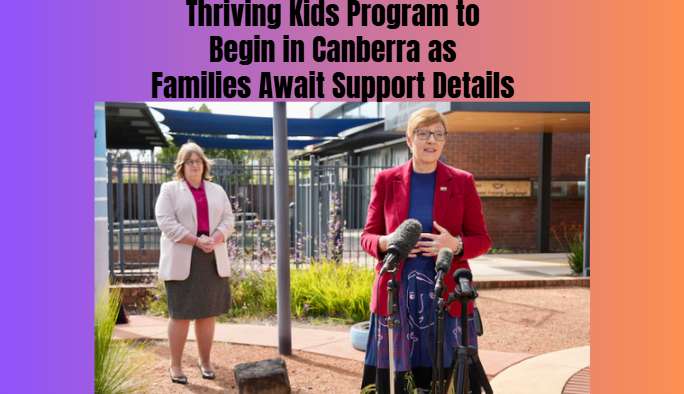
The ACT will begin the first phase of the Thriving Kids program on October 1, providing developmental support pathways for children while concerns remai...
Geelong's historic Botanic Gardens are preparing for their 175th anniversary, with volunteers and horticultural staff working to preserve a living colle...
Three high-school students have joined the Carnarvon Volunteer Fire and Rescue Service as the regional organisation works to strengthen its volunteer nu...
Around 300 people walked through Morwell to remember Kaiden Morgan-Johnston one year after his death and call for safer streets across the Latrobe Valley.
Chinese-owned Yongji Health has taken almost complete control of Tasmanian Botanics, one of Australia's largest medicinal cannabis producers, following...
Prime Minister Anthony Albanese says an agreement to secure the future of Tasmania's Bell Bay aluminium smelter is close, as the federal and state gover...
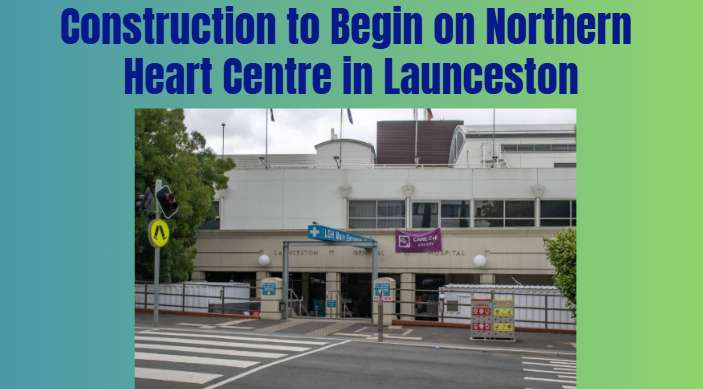
Construction of Tasmania's new Northern Heart Centre at Launceston General Hospital is expected to begin within weeks, expanding cardiac services for pa...
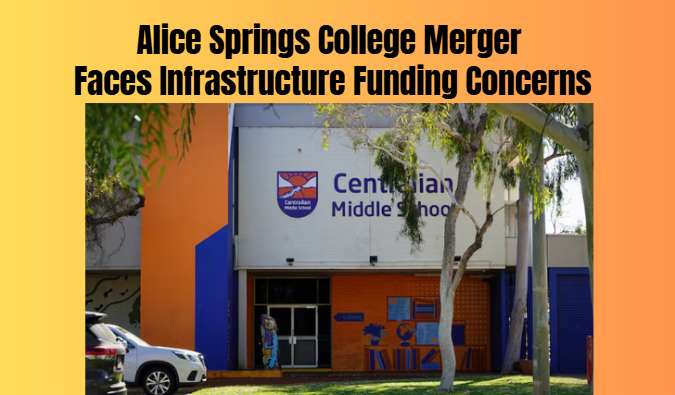
Community and education representatives have raised concerns that the initial $500,000 allocation may not cover the infrastructure upgrades needed for t...
Four public swimming pools across the Central Darling Shire are being opened for unsupervised access this season, with residents required to complete sa...
A 59-year-old rubbish-truck driver has been charged with dangerous driving causing death after a 70-year-old man was fatally struck in Queens Park earli...
NSW Senator David Shoebridge has been elected leader of the Australian Greens, with Victorian Senator Steph Hodgins-May chosen as deputy after a contest...