NSW Shark Mitigation Measures Highlighted as Experts Call for Wider Adoption
By Neha · Published 13 Jun 2026 · Updated 13 Jun 2026
Sydney, NSW · New South Wales News
Safety note: Admin approval is an initial review, not a guarantee that every detail is correct. Check important or urgent claims with official sources and report anything inaccurate or unsafe.
Source and credit: Contributor's own report
NSW Shark Mitigation Measures Highlighted as Experts Call for Wider Adoption - Sydney, NSW
Smart summary
Following a series of recent fatal shark attacks around Australia, marine experts say New South Wales' combination of SMART drumlines, shark tracking and personal deterrent technologies is demonstrating promising resu...
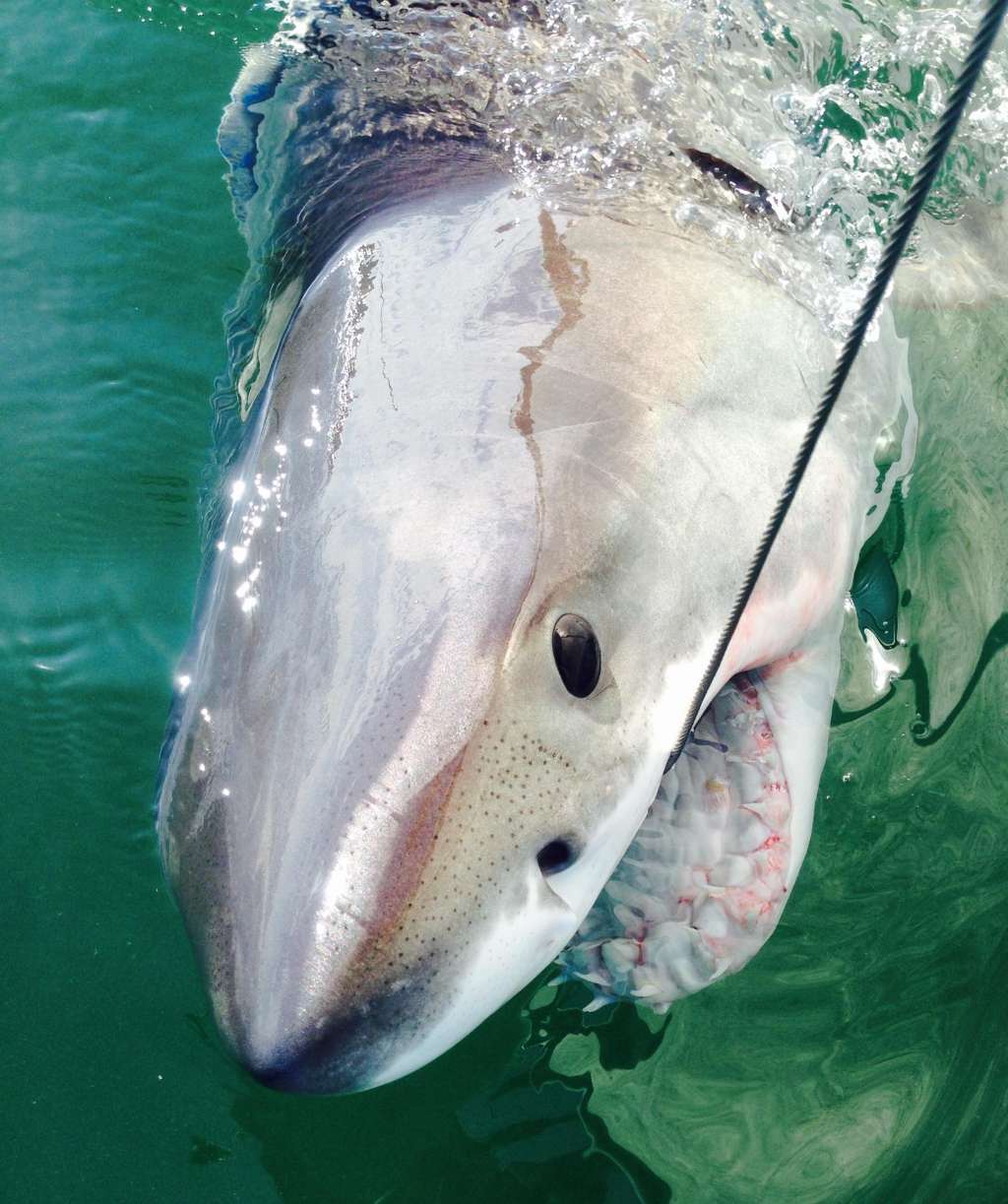
New South Wales' approach to shark mitigation is being held up as a potential model for other states after a recent series of fatal shark attacks reignited debate over how Australia can best protect ocean users while minimising harm to marine life.
The discussion follows the deaths of three spearfishers in separate shark attacks across Western Australia and Queensland in recent weeks, prompting renewed scrutiny of existing shark management strategies.
At the centre of the conversation are SMART drumlines — a modern alternative to traditional drumlines designed to capture sharks alive so they can be tagged, relocated offshore and released.
Unlike older shark control methods, SMART drumlines use satellite technology to immediately alert response teams when an animal is caught. This allows authorities to quickly attend the site, collect scientific data and relocate sharks away from popular swimming areas.
According to the NSW Government, more than 300 SMART drumlines have been deployed along sections of the state's coastline, with approximately 2,800 sharks tagged through the program. The tagging data has contributed to one of the world's largest shark-monitoring networks and improved understanding of shark movement patterns.
The success of the NSW model has led some experts and community members in Western Australia to call for a reconsideration of similar measures.
Marc Payne, an Esperance-based abalone fisherman who helped oversee a previous SMART drumline trial in WA, believes advances in technology and operational practices justify another look at the approach.
"If you look at the New South Wales Smart drumline program, they've got around 1,000 great whites, so those sharks have been tracked," he said.
However, not all jurisdictions agree on the best path forward.
WA Premier Roger Cook has ruled out reintroducing SMART drumlines, instead backing the state's current strategy, which focuses on shark tagging programs, public alerts and the Shark Smart WA information system.
Marine scientists stress that no single measure can eliminate the risk of shark encounters.
Flinders University shark ecologist Dr Charlie Huveneers said some electronic personal deterrent devices have demonstrated encouraging results in scientific trials. Research has shown that certain electrical deterrent technologies can reduce the likelihood of shark bites by up to 60 per cent when used correctly.
Other products marketed as shark deterrents, including some magnets and visual devices, have shown limited evidence of effectiveness.
NSW's broader shark mitigation strategy combines several approaches, including:
* SMART drumlines. * Shark tagging and acoustic tracking. * Listening stations that alert authorities when tagged sharks approach beaches. * Drone surveillance at popular swimming locations. * Public education campaigns promoting safer ocean practices.
Supporters argue that this layered approach provides a balance between public safety and marine conservation.
Conservation groups have long opposed large-scale shark culling programs, citing concerns about impacts on vulnerable species and broader ecosystem health. SMART drumlines, by contrast, aim to reduce risks without routinely killing marine animals.
As Australians continue to embrace surfing, diving and spearfishing, experts say informed decision-making remains one of the most important safety tools available.
Checking local shark alerts, avoiding swimming during high-risk conditions and considering proven deterrent devices can all help reduce the chances of an encounter.
While no strategy can offer complete protection, the experience in New South Wales suggests that combining technology, research and public awareness may provide the most effective way forward.
The renewed debate underscores a challenge facing coastal communities nationwide: how to coexist safely with one of the ocean's most iconic predators while respecting the important role sharks play in marine ecosystems.
SharkSmartDrumlinesSharksMarine
New South Wales' approach to shark mitigation is being held up as a potential model for other states after a recent series of fatal shark attacks reignited debate over how Australia can best protect ocean users while minimising harm to marine life.
The discussion follows the deaths of three spearfishers in separate shark attacks across Western Australia and Queensland in recent weeks, prompting renewed scrutiny of existing shark management strategies.
At the centre of the conversation are SMART drumlines — a modern alternative to traditional drumlines designed to capture sharks alive so they can be tagged, relocated offshore and released.
Unlike older shark control methods, SMART drumlines use satellite technology to immediately alert response teams when an animal is caught. This allows authorities to quickly attend the site, collect scientific data and relocate sharks away from popular swimming areas.
According to the NSW Government, more than 300 SMART drumlines have been deployed along sections of the state's coastline, with approximately 2,800 sharks tagged through the program. The tagging data has contributed to one of the world's largest shark-monitoring networks and improved understanding of shark movement patterns.
The success of the NSW model has led some experts and community members in Western Australia to call for a reconsideration of similar measures.
Marc Payne, an Esperance-based abalone fisherman who helped oversee a previous SMART drumline trial in WA, believes advances in technology and operational practices justify another look at the approach.
"If you look at the New South Wales Smart drumline program, they've got around 1,000 great whites, so those sharks have been tracked," he said.
However, not all jurisdictions agree on the best path forward.
WA Premier Roger Cook has ruled out reintroducing SMART drumlines, instead backing the state's current strategy, which focuses on shark tagging programs, public alerts and the Shark Smart WA information system.
Marine scientists stress that no single measure can eliminate the risk of shark encounters.
Flinders University shark ecologist Dr Charlie Huveneers said some electronic personal deterrent devices have demonstrated encouraging results in scientific trials. Research has shown that certain electrical deterrent technologies can reduce the likelihood of shark bites by up to 60 per cent when used correctly.
Other products marketed as shark deterrents, including some magnets and visual devices, have shown limited evidence of effectiveness.
NSW's broader shark mitigation strategy combines several approaches, including:
* SMART drumlines. * Shark tagging and acoustic tracking. * Listening stations that alert authorities when tagged sharks approach beaches. * Drone surveillance at popular swimming locations. * Public education campaigns promoting safer ocean practices.
Supporters argue that this layered approach provides a balance between public safety and marine conservation.
Conservation groups have long opposed large-scale shark culling programs, citing concerns about impacts on vulnerable species and broader ecosystem health. SMART drumlines, by contrast, aim to reduce risks without routinely killing marine animals.
As Australians continue to embrace surfing, diving and spearfishing, experts say informed decision-making remains one of the most important safety tools available.
Checking local shark alerts, avoiding swimming during high-risk conditions and considering proven deterrent devices can all help reduce the chances of an encounter.
While no strategy can offer complete protection, the experience in New South Wales suggests that combining technology, research and public awareness may provide the most effective way forward.
The renewed debate underscores a challenge facing coastal communities nationwide: how to coexist safely with one of the ocean's most iconic predators while respecting the important role sharks play in marine ecosystems.
Darwin Northern Territory · Other News · 01 Sep 2026
A scenic hike through Butterfly Gorge in the Northern Territory turned into a frightening experience when a buffalo charged at two hikers. ABC Darwin reported the story today, 1...
Coffs Harbour New South Wales · Other News · 01 Sep 2026
A Safe Work NSW inspection blitz across the Coffs Harbour region has uncovered dozens of workplace-safety issues in the horticulture industry. The operation followed concerns ab...
A major Queensland Government infrastructure investment is set to unlock thousands of new homes across the Fraser Coast, including projects in Maryborough.
A 36-year-old man has been charged after investigators allegedly found fraudulent identification documents, cloned number plates, cash and drug-manufact...
A Sydney court has heard that a man sent 249 messages to a former partner within 24 hours, with the messages treated as a single alleged breach of an ap...
A high-profile athlete has returned to court and told the hearing that an alleged unwanted kiss by former broadcaster Alan Jones remained difficult to f...
Work on the $150 million Sydney Town Hall Square project has been paused after the NSW Planning Minister referred the development for review by the Inde...
Cairns Regional Council has unanimously voted to seek $400,000 in Queensland Government funding for a program designed to connect local businesses with the region’s growing film...
An automated external defibrillator and memorial plaque have been installed at Ellery Creek Big Hole following the death of disability advocate Ellen Fr...
Queensland firefighters spent several hours monitoring a significant grass fire at Mary Kinross Park in Bargara, near Bundaberg, after the blaze broke out on Wednesday evening....