Safety note: Admin approval is an initial review, not a guarantee that every detail is correct. Check important or urgent claims with official sources and report anything inaccurate or unsafe.
Source and credit: Contributor's own report
NT Firefighter Alleges Sex Discrimination After Being Labelled an ‘Emotional Woman’ - Darwin, Northern Territory
Smart summary
A Northern Territory firefighter has lodged a discrimination complaint, claiming workplace comments and treatment reflected gender bias and contributed to a hostile work environment.
A Northern Territory firefighter has brought a sex discrimination complaint against her employer, alleging she was subjected to discriminatory treatment and gender-based stereotypes while working within the emergency services sector. The case has drawn attention to workplace culture within traditionally male-dominated professions and the challenges women can face in such environments.
The complaint centres on allegations that the firefighter was described as an "emotional woman" during workplace interactions and that her concerns and professional conduct were judged differently from those of her male colleagues. According to evidence presented during proceedings, the firefighter argues that comments about her emotional state reflected harmful gender stereotypes and undermined her credibility in the workplace.
The woman alleges that the comments formed part of a broader pattern of behaviour that left her feeling marginalised and unfairly treated. She contends that workplace decisions and responses to her concerns were influenced by assumptions linked to her gender rather than an objective assessment of the issues she raised.
The matter was heard before the Northern Territory Civil and Administrative Tribunal, where details emerged about workplace interactions and the culture within the firefighting service. The case examined whether remarks made by colleagues and supervisors amounted to unlawful discrimination under relevant anti-discrimination laws.
Representatives for the firefighter argued that characterising a female employee as overly emotional can reinforce outdated stereotypes that women are less capable of handling pressure, leadership responsibilities or conflict in professional settings. They submitted that such comments may discourage women from raising legitimate workplace concerns for fear of being dismissed or labelled negatively.
The tribunal heard evidence relating to the firefighter's employment history, workplace relationships and the circumstances surrounding the alleged comments. Witness testimony explored how concerns were managed within the organisation and whether comparable situations involving male employees were treated differently.
The case highlights broader discussions occurring across Australia regarding gender equality in emergency services, defence, policing and other industries where women remain underrepresented. Workplace experts have increasingly emphasised the importance of addressing unconscious bias and ensuring that performance concerns are assessed consistently regardless of gender.
Supporters of stronger workplace protections argue that language reflecting gender stereotypes can have significant professional consequences, particularly in environments where teamwork, leadership and trust are critical. They contend that comments portraying women as inherently emotional can undermine confidence in their professional abilities and contribute to unequal treatment.
The respondent organisation has disputed aspects of the allegations and defended its handling of workplace matters. Tribunal proceedings examined differing interpretations of the events and whether the conduct complained of met the legal threshold for discrimination.
The outcome of the case is being closely watched by workplace relations experts, employment lawyers and emergency service organisations. Decisions in such matters can provide guidance on how anti-discrimination laws apply to workplace language, management practices and organisational culture.
The complaint also serves as a reminder of the ongoing efforts being made across Australia to improve diversity and inclusion within emergency services. Many agencies have introduced policies aimed at increasing female participation, reducing workplace harassment and ensuring all employees are treated fairly and respectfully.
WorkplaceFirefighterCommentsConcernsEmotional
A Northern Territory firefighter has brought a sex discrimination complaint against her employer, alleging she was subjected to discriminatory treatment and gender-based stereotypes while working within the emergency services sector. The case has drawn attention to workplace culture within traditionally male-dominated professions and the challenges women can face in such environments.
The complaint centres on allegations that the firefighter was described as an "emotional woman" during workplace interactions and that her concerns and professional conduct were judged differently from those of her male colleagues. According to evidence presented during proceedings, the firefighter argues that comments about her emotional state reflected harmful gender stereotypes and undermined her credibility in the workplace.
The woman alleges that the comments formed part of a broader pattern of behaviour that left her feeling marginalised and unfairly treated. She contends that workplace decisions and responses to her concerns were influenced by assumptions linked to her gender rather than an objective assessment of the issues she raised.
The matter was heard before the Northern Territory Civil and Administrative Tribunal, where details emerged about workplace interactions and the culture within the firefighting service. The case examined whether remarks made by colleagues and supervisors amounted to unlawful discrimination under relevant anti-discrimination laws.
Representatives for the firefighter argued that characterising a female employee as overly emotional can reinforce outdated stereotypes that women are less capable of handling pressure, leadership responsibilities or conflict in professional settings. They submitted that such comments may discourage women from raising legitimate workplace concerns for fear of being dismissed or labelled negatively.
The tribunal heard evidence relating to the firefighter's employment history, workplace relationships and the circumstances surrounding the alleged comments. Witness testimony explored how concerns were managed within the organisation and whether comparable situations involving male employees were treated differently.
The case highlights broader discussions occurring across Australia regarding gender equality in emergency services, defence, policing and other industries where women remain underrepresented. Workplace experts have increasingly emphasised the importance of addressing unconscious bias and ensuring that performance concerns are assessed consistently regardless of gender.
Supporters of stronger workplace protections argue that language reflecting gender stereotypes can have significant professional consequences, particularly in environments where teamwork, leadership and trust are critical. They contend that comments portraying women as inherently emotional can undermine confidence in their professional abilities and contribute to unequal treatment.
The respondent organisation has disputed aspects of the allegations and defended its handling of workplace matters. Tribunal proceedings examined differing interpretations of the events and whether the conduct complained of met the legal threshold for discrimination.
The outcome of the case is being closely watched by workplace relations experts, employment lawyers and emergency service organisations. Decisions in such matters can provide guidance on how anti-discrimination laws apply to workplace language, management practices and organisational culture.
The complaint also serves as a reminder of the ongoing efforts being made across Australia to improve diversity and inclusion within emergency services. Many agencies have introduced policies aimed at increasing female participation, reducing workplace harassment and ensuring all employees are treated fairly and respectfully.
A Chinese private processor has purchased 68,000 tonnes of new-season Australian canola for shipment in March, marking the first known private-sector pu...
Darwin Northern Territory · Other News · 01 Sep 2026
A scenic hike through Butterfly Gorge in the Northern Territory turned into a frightening experience when a buffalo charged at two hikers. ABC Darwin reported the story today, 1...
Coffs Harbour New South Wales · Other News · 01 Sep 2026
A Safe Work NSW inspection blitz across the Coffs Harbour region has uncovered dozens of workplace-safety issues in the horticulture industry. The operation followed concerns ab...
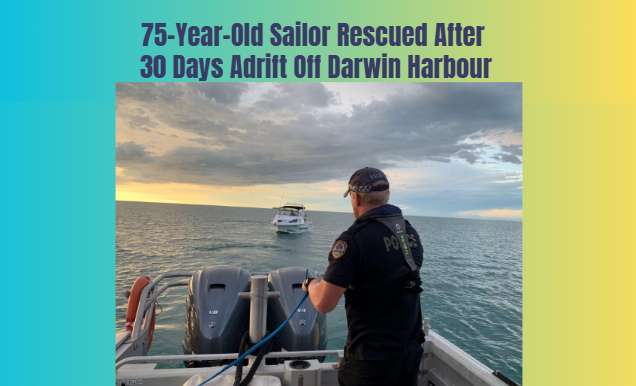
A 75-year-old sailor has been rescued after spending 30 days at sea near Darwin Harbour, with three strangers coming to his aid after his supplies were...
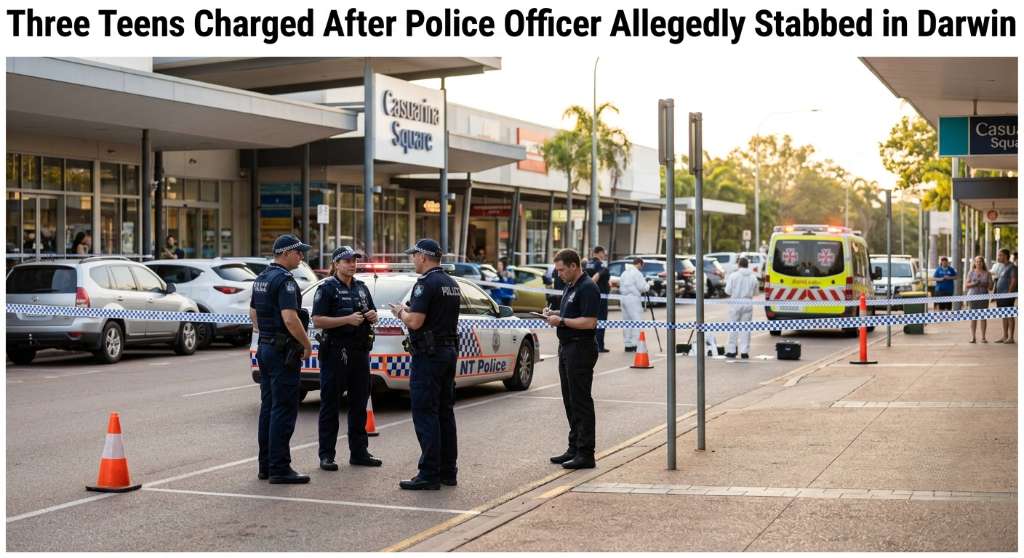
Three teenagers have been charged after a police officer was allegedly stabbed during a disturbance in Darwin City, with the officer requiring further h...
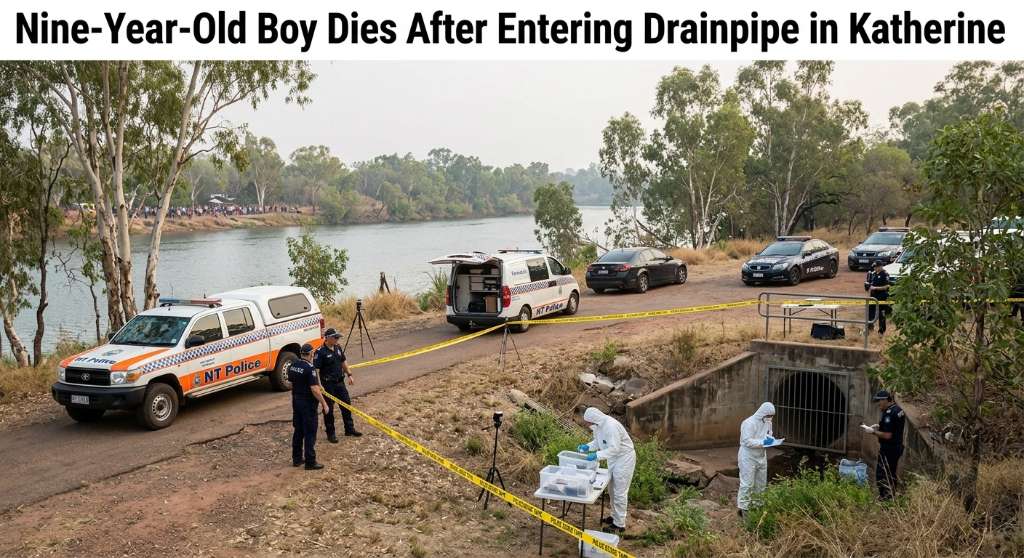
A nine-year-old boy has drowned in a drainpipe at Katherine Low Level in the Northern Territory, with police investigating the circumstances surrounding...
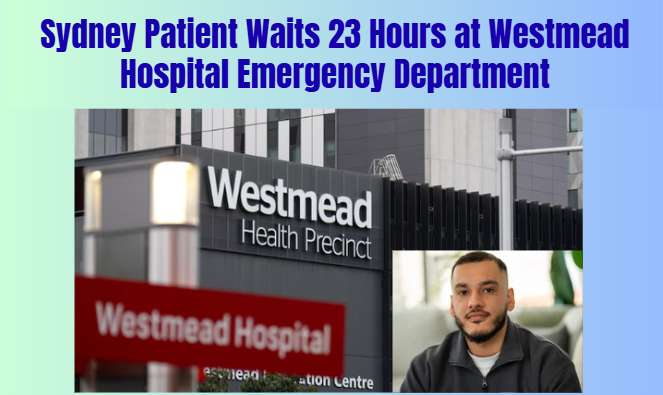
A Sydney patient says he spent 23 hours waiting on a chair at Westmead Hospital's emergency department, while new figures show continuing pressure on th...
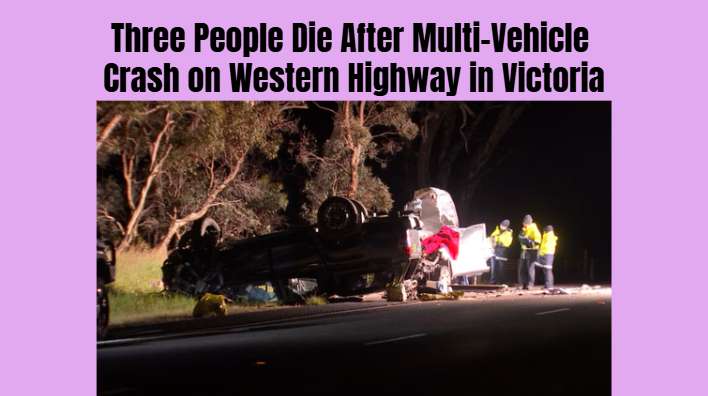
Three people, including a 14-year-old girl, have died following a multi-vehicle collision on the Western Highway near Ledcourt in Victoria's north-west.
A 50-year-old man has died after being struck by a vehicle in Fernvale, west of Brisbane, with police launching a homicide investigation and arresting a...
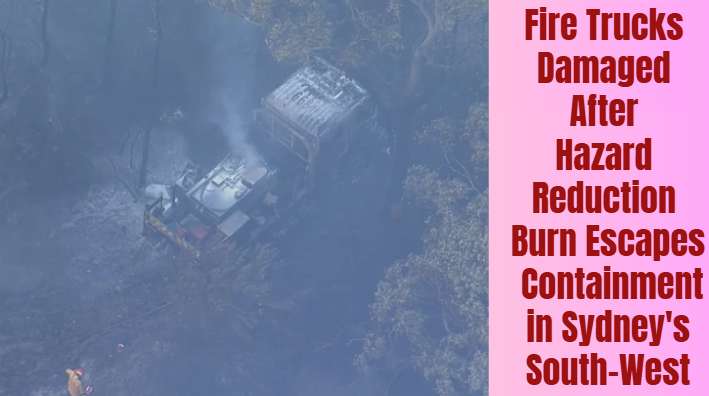
Multiple Rural Fire Service trucks were damaged after a planned hazard reduction burn at Wedderburn in Sydney's south-west escaped containment on Saturday.