Pauline Hanson’s 10 most controversial political moments ranked
By Neha Maurya · Published 30 Jun 2026 · Updated 30 Jun 2026
Rockhampton, QLD · Queensland News
Safety note: Admin approval is an initial review, not a guarantee that every detail is correct. Check important or urgent claims with official sources and report anything inaccurate or unsafe.
Source and credit: Contributor's own report
Pauline Hanson’s 10 most controversial political moments ranked - Rockhampton, QLD
Smart summary
A new ranking highlights the most contentious and defining moments of One Nation leader Pauline Hanson’s political career, from her 1996 maiden speech on immigration to later parliamentary stunts and court rulings tha...
A recent feature has ranked the ten most controversial political moments of Pauline Hanson, one of Australia’s most polarising political figures and the founder of the One Nation party. The list revisits incidents spanning nearly three decades, many of which have shaped public debate on immigration, multiculturalism and national identity.
At the top of the list is Hanson’s 1996 maiden speech in Federal Parliament, where she warned that Australia was “in danger of being swamped by Asians” and called for the abolition of multiculturalism. The speech immediately triggered national outrage, becoming a defining moment in modern Australian political history and cementing her reputation as a divisive public figure.
Other ranked moments include her repeated criticism of immigration policy and multiculturalism, along with controversial remarks about Indigenous Australians and welfare spending. These statements have frequently drawn condemnation from political opponents and community groups, while also helping her maintain strong support among parts of the electorate that align with her anti-establishment messaging.
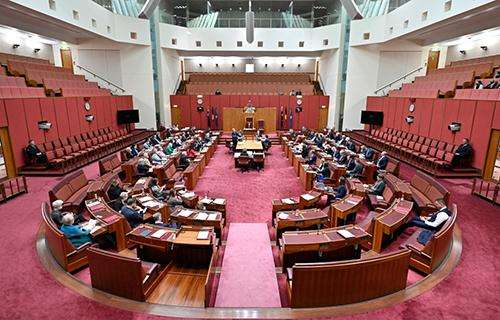
The ranking also highlights Hanson’s provocative parliamentary stunts, including her decision to wear a burqa inside the Senate chamber in 2017, an act she repeated in later years to protest Islamic dress and national security concerns. These actions were widely criticised across party lines as disrespectful to religious communities and parliamentary standards.
Another major controversy referenced is her repeated comments about Islam and Muslim Australians, including statements questioning whether there are “good Muslims” and calls for restrictions on Muslim immigration. These remarks have led to formal criticism, legal complaints, and ongoing public debate about racial vilification laws and free speech in Australia.
The list also includes legal and parliamentary disputes, such as her 2003 fraud conviction (later overturned) connected to electoral matters, as well as more recent cases where she has been accused of racial vilification toward political opponents. One notable example was her exchange with Greens Senator Mehreen Faruqi, which resulted in a Federal Court finding that Hanson’s comments constituted an “angry personal attack” and were offensive under racial discrimination law.
Beyond individual incidents, the article frames Hanson’s career as one marked by a consistent pattern of controversy, media attention and political survival. Despite repeated backlash, she has maintained a presence in Australian politics for decades, continuing to appeal to voters who support her positions on immigration, national sovereignty and cultural issues.
The ranking also notes her ongoing influence in shaping political discourse, particularly as debates over immigration levels, cost of living and national identity continue to intensify. While critics argue her rhetoric is divisive, supporters say she raises issues ignored by mainstream parties.
Ultimately, the list presents Hanson’s career as one defined by repeated confrontation with Australia’s political establishment, with each controversy reinforcing her status as one of the country’s most debated public figures.
PoliticalHansonImmigrationNationalRepeated
A recent feature has ranked the ten most controversial political moments of Pauline Hanson, one of Australia’s most polarising political figures and the founder of the One Nation party. The list revisits incidents spanning nearly three decades, many of which have shaped public debate on immigration, multiculturalism and national identity.
At the top of the list is Hanson’s 1996 maiden speech in Federal Parliament, where she warned that Australia was “in danger of being swamped by Asians” and called for the abolition of multiculturalism. The speech immediately triggered national outrage, becoming a defining moment in modern Australian political history and cementing her reputation as a divisive public figure.
Other ranked moments include her repeated criticism of immigration policy and multiculturalism, along with controversial remarks about Indigenous Australians and welfare spending. These statements have frequently drawn condemnation from political opponents and community groups, while also helping her maintain strong support among parts of the electorate that align with her anti-establishment messaging.
The ranking also highlights Hanson’s provocative parliamentary stunts, including her decision to wear a burqa inside the Senate chamber in 2017, an act she repeated in later years to protest Islamic dress and national security concerns. These actions were widely criticised across party lines as disrespectful to religious communities and parliamentary standards.
Another major controversy referenced is her repeated comments about Islam and Muslim Australians, including statements questioning whether there are “good Muslims” and calls for restrictions on Muslim immigration. These remarks have led to formal criticism, legal complaints, and ongoing public debate about racial vilification laws and free speech in Australia.
The list also includes legal and parliamentary disputes, such as her 2003 fraud conviction (later overturned) connected to electoral matters, as well as more recent cases where she has been accused of racial vilification toward political opponents. One notable example was her exchange with Greens Senator Mehreen Faruqi, which resulted in a Federal Court finding that Hanson’s comments constituted an “angry personal attack” and were offensive under racial discrimination law.
Beyond individual incidents, the article frames Hanson’s career as one marked by a consistent pattern of controversy, media attention and political survival. Despite repeated backlash, she has maintained a presence in Australian politics for decades, continuing to appeal to voters who support her positions on immigration, national sovereignty and cultural issues.
The ranking also notes her ongoing influence in shaping political discourse, particularly as debates over immigration levels, cost of living and national identity continue to intensify. While critics argue her rhetoric is divisive, supporters say she raises issues ignored by mainstream parties.
Ultimately, the list presents Hanson’s career as one defined by repeated confrontation with Australia’s political establishment, with each controversy reinforcing her status as one of the country’s most debated public figures.
Treasurer Jim Chalmers says the federal budget bottom line has improved by $6 billion compared with the May forecast, while the government faces pressur...
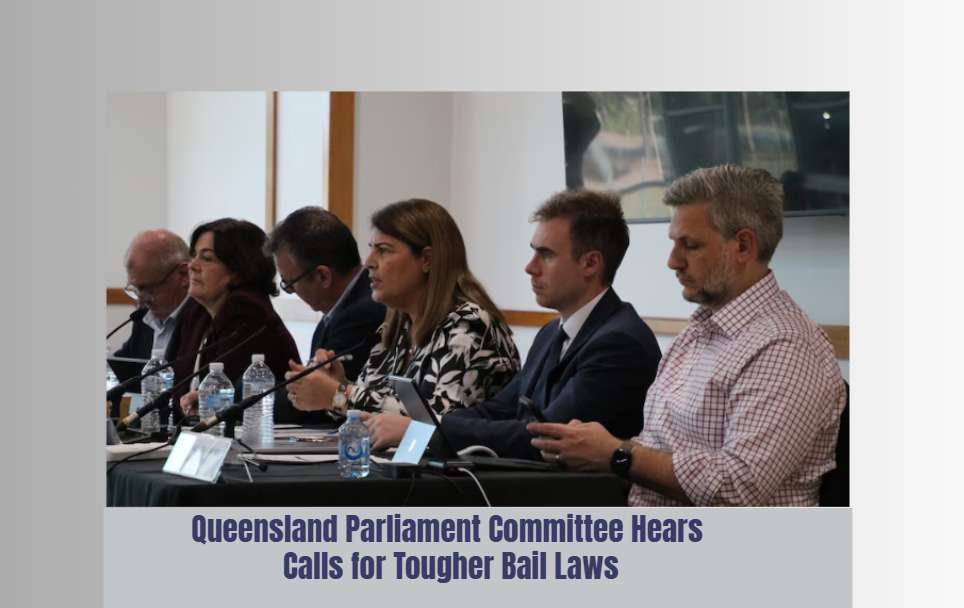
A Queensland parliamentary committee has completed regional hearings on proposed tougher bail laws, hearing from crime victims, legal experts and commun...
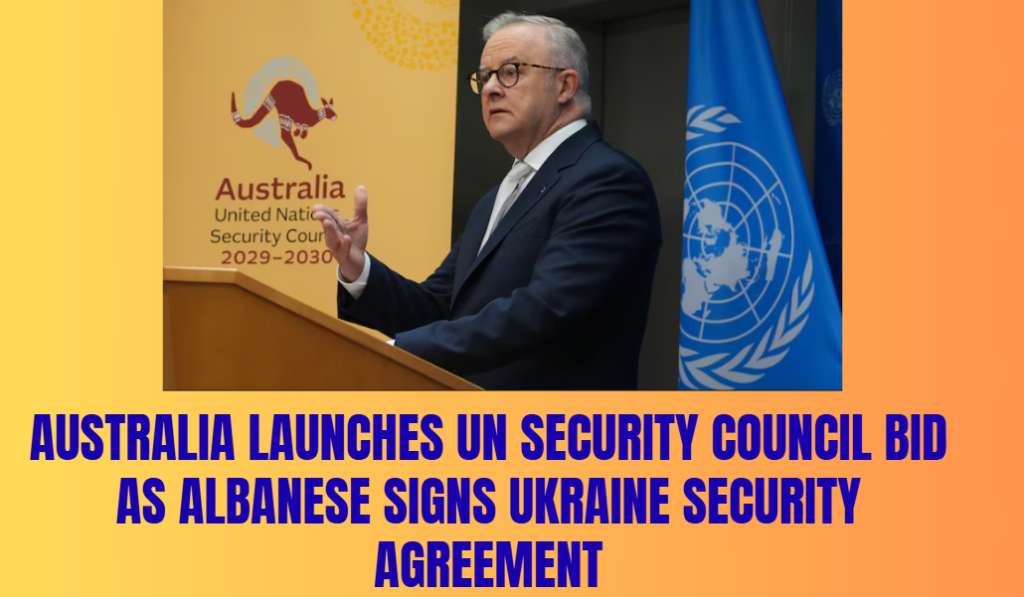
Prime Minister Anthony Albanese has launched Australia's campaign for a two-year seat on the United Nations Security Council while signing a decade-long...
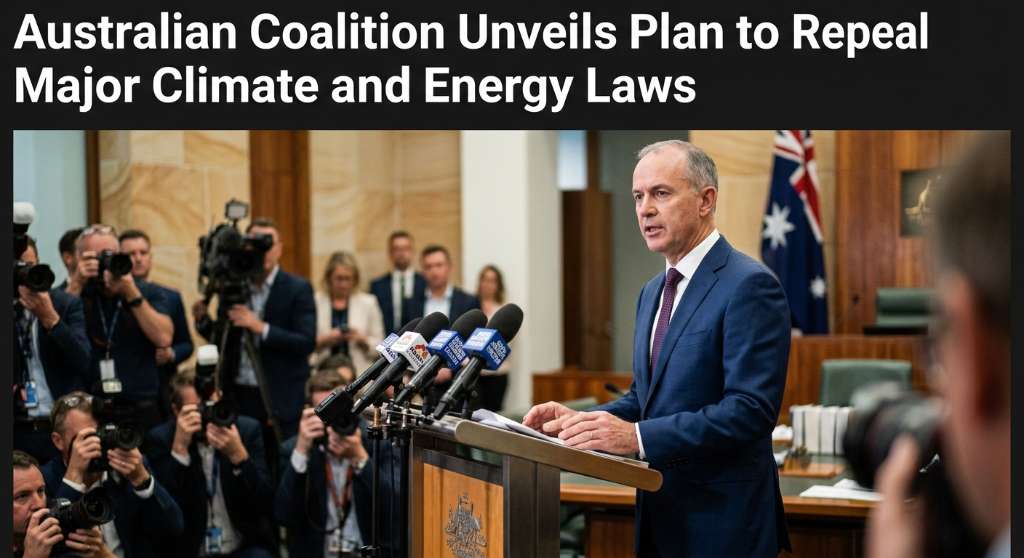
The federal Coalition has released an eight-point energy policy proposing changes to Australia's climate legislation, offshore wind zones, vehicle effic...
A 50-year-old man has died after being struck by a vehicle in Fernvale, west of Brisbane, with police launching a homicide investigation and arresting a...
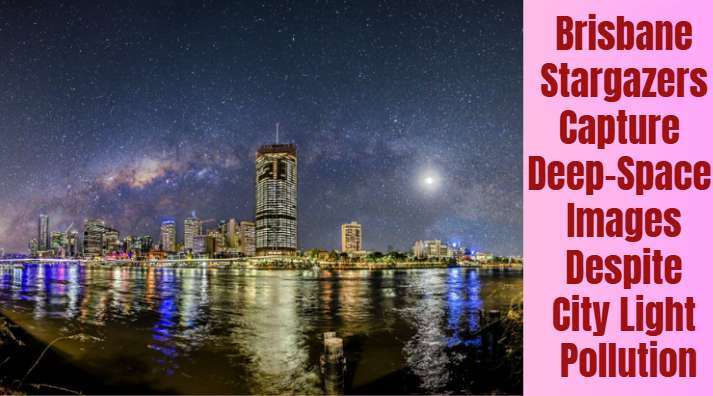
Amateur astronomers are using new telescope technology to photograph the Moon, planets and distant galaxies from Brisbane homes, showing that city skies...
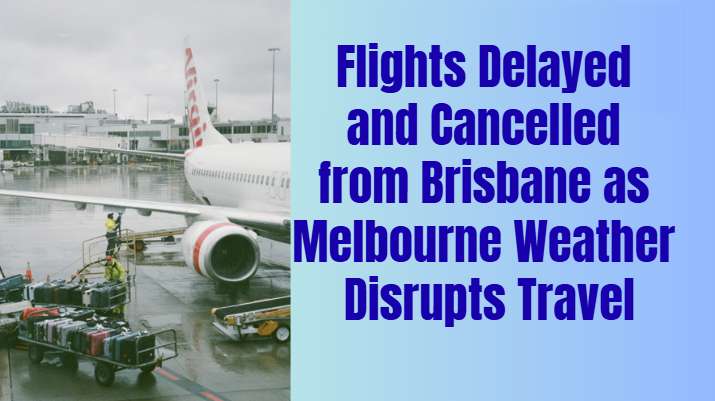
Severe weather in Melbourne has caused flight disruptions from Brisbane, with at least one flight cancelled and other services delayed as passengers tra...
Treasurer Jim Chalmers says the federal budget bottom line has improved by $6 billion compared with the May forecast, while the government faces pressur...
Northern Territory Police are investigating a series of alleged aggravated burglaries in Alice Springs after up to seven homes in the Araluen area were...