Pauline Hanson’s first husband shares rare insights into her early life
By Neha · Published 27 Jun 2026 · Updated 27 Jun 2026
Brisbane, Queensland · Queensland News
Safety note: Admin approval is an initial review, not a guarantee that every detail is correct. Check important or urgent claims with official sources and report anything inaccurate or unsafe.
Source and credit: Contributor's own report
Pauline Hanson’s first husband shares rare insights into her early life - Brisbane, Queensland
Smart summary
A former husband of One Nation leader Pauline Hanson has reflected on her early years, describing her work ethic, family life and the experiences that shaped one of Australia's most recognisable and controversial poli...
As Pauline Hanson continues to attract national attention for her political views and leadership of One Nation, a former husband has offered a rare glimpse into the personal experiences that shaped her long before she entered public life.
Born Pauline Seccombe in Brisbane in 1954, Hanson grew up in a working-class family and spent much of her childhood helping her parents run their fish-and-chip shop in Ipswich, Queensland. Family members have often described her as hardworking from an early age, learning bookkeeping, customer service and the realities of running a small business while still at school.
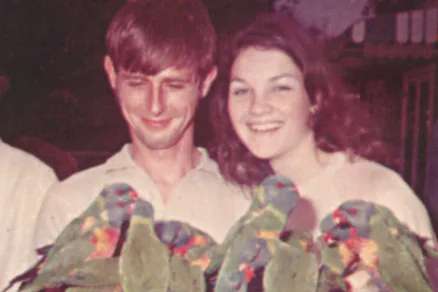
Her first husband, Walter Zagorski, was a Polish refugee whose family migrated to Australia after World War II. Although the marriage ended many years ago, accounts of their relationship provide a picture of Hanson before she became a public figure. Friends and family have described her as determined and practical, balancing work responsibilities with raising a young family.
Following the breakdown of her first marriage, Hanson later married Mark Hanson, with whom she operated a plumbing and construction business. She managed the bookkeeping and administration while helping with the day-to-day running of the company. After that marriage ended, she returned to Ipswich and purchased a fish-and-chip shop, a business that would become closely associated with her rise to national prominence.
Hanson entered politics in the mid-1990s after serving on Ipswich City Council. In 1996, she won the federal seat of Oxley as an independent after being disendorsed by the Liberal Party shortly before the election. Her maiden speech on immigration and multiculturalism generated widespread attention and established her as one of Australia's most divisive political figures. She later founded One Nation, a party that continues to influence Australian politics, particularly on issues such as immigration, cost of living and national identity.
Those who knew Hanson before politics describe a woman driven by resilience and a strong work ethic developed through years of small-business ownership. Her early experiences managing finances, serving customers and raising children are frequently cited as influences on her political messaging, particularly her advocacy for small businesses and regional communities.
Despite remaining one of Australia's most polarising politicians, Hanson has maintained that her upbringing shaped her approach to public life. Supporters argue she speaks directly to concerns held by many Australians, while critics contend her views on immigration and multiculturalism are divisive. Recent debates over her proposal for Australia to become a "monocultural" society have once again placed her at the centre of national political discussion.
The reflections from her former husband offer a more personal perspective on a political figure often defined by controversy. They highlight a childhood centred on family business, resilience and hard work—experiences that preceded her decades in politics and continue to shape public perceptions of one of Australia's most recognisable political personalities.
HansonFamilyPoliticalBusinessHusband
As Pauline Hanson continues to attract national attention for her political views and leadership of One Nation, a former husband has offered a rare glimpse into the personal experiences that shaped her long before she entered public life.
Born Pauline Seccombe in Brisbane in 1954, Hanson grew up in a working-class family and spent much of her childhood helping her parents run their fish-and-chip shop in Ipswich, Queensland. Family members have often described her as hardworking from an early age, learning bookkeeping, customer service and the realities of running a small business while still at school.
Her first husband, Walter Zagorski, was a Polish refugee whose family migrated to Australia after World War II. Although the marriage ended many years ago, accounts of their relationship provide a picture of Hanson before she became a public figure. Friends and family have described her as determined and practical, balancing work responsibilities with raising a young family.
Following the breakdown of her first marriage, Hanson later married Mark Hanson, with whom she operated a plumbing and construction business. She managed the bookkeeping and administration while helping with the day-to-day running of the company. After that marriage ended, she returned to Ipswich and purchased a fish-and-chip shop, a business that would become closely associated with her rise to national prominence.
Hanson entered politics in the mid-1990s after serving on Ipswich City Council. In 1996, she won the federal seat of Oxley as an independent after being disendorsed by the Liberal Party shortly before the election. Her maiden speech on immigration and multiculturalism generated widespread attention and established her as one of Australia's most divisive political figures. She later founded One Nation, a party that continues to influence Australian politics, particularly on issues such as immigration, cost of living and national identity.
Those who knew Hanson before politics describe a woman driven by resilience and a strong work ethic developed through years of small-business ownership. Her early experiences managing finances, serving customers and raising children are frequently cited as influences on her political messaging, particularly her advocacy for small businesses and regional communities.
Despite remaining one of Australia's most polarising politicians, Hanson has maintained that her upbringing shaped her approach to public life. Supporters argue she speaks directly to concerns held by many Australians, while critics contend her views on immigration and multiculturalism are divisive. Recent debates over her proposal for Australia to become a "monocultural" society have once again placed her at the centre of national political discussion.
The reflections from her former husband offer a more personal perspective on a political figure often defined by controversy. They highlight a childhood centred on family business, resilience and hard work—experiences that preceded her decades in politics and continue to shape public perceptions of one of Australia's most recognisable political personalities.
A Queensland parliamentary committee has completed regional hearings on proposed tougher bail laws, hearing from crime victims, legal experts and commun...
Prime Minister Anthony Albanese has launched Australia's campaign for a two-year seat on the United Nations Security Council while signing a decade-long...
The federal Coalition has released an eight-point energy policy proposing changes to Australia's climate legislation, offshore wind zones, vehicle effic...
The Federal Government is preparing new measures targeting temporary visas, visa overstayers, international students and visa-hopping, while maintaining...
A 50-year-old man has died after being struck by a vehicle in Fernvale, west of Brisbane, with police launching a homicide investigation and arresting a...
Amateur astronomers are using new telescope technology to photograph the Moon, planets and distant galaxies from Brisbane homes, showing that city skies...
Severe weather in Melbourne has caused flight disruptions from Brisbane, with at least one flight cancelled and other services delayed as passengers tra...
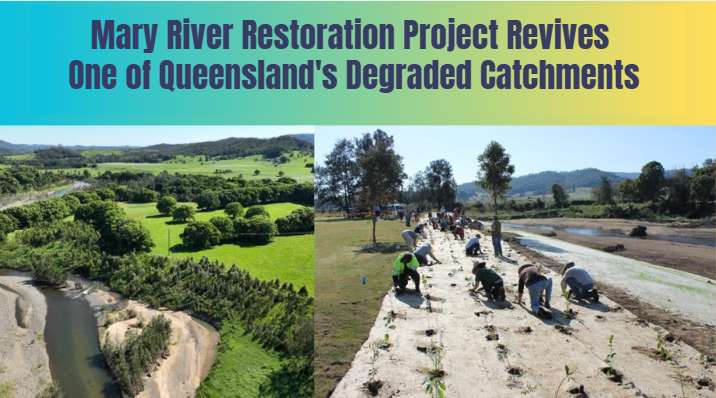
A long-running community restoration effort along Queensland's Mary River is reducing erosion, improving water quality and helping restore habitat for n...
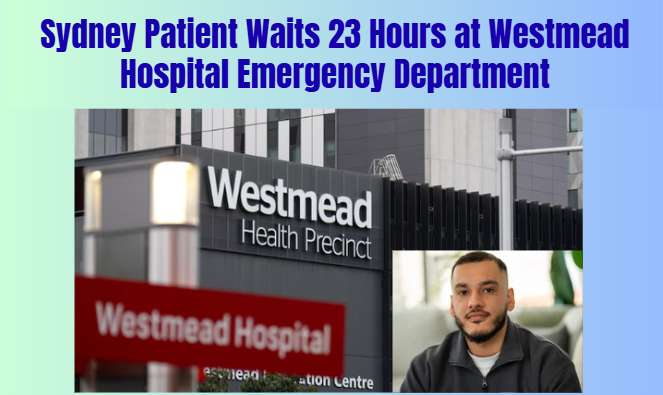
A Sydney patient says he spent 23 hours waiting on a chair at Westmead Hospital's emergency department, while new figures show continuing pressure on th...
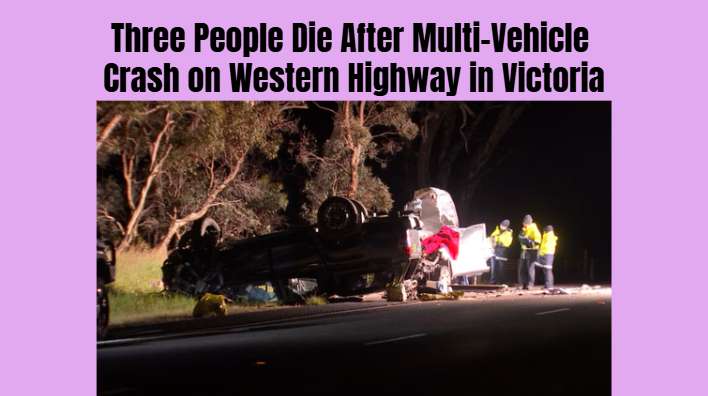
Three people, including a 14-year-old girl, have died following a multi-vehicle collision on the Western Highway near Ledcourt in Victoria's north-west.
A 50-year-old man has died after being struck by a vehicle in Fernvale, west of Brisbane, with police launching a homicide investigation and arresting a...
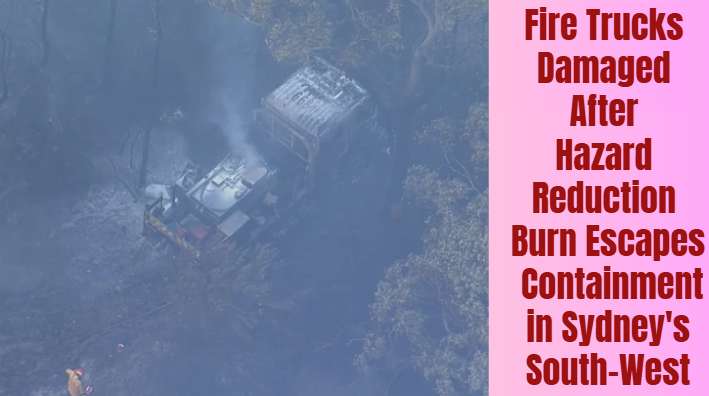
Multiple Rural Fire Service trucks were damaged after a planned hazard reduction burn at Wedderburn in Sydney's south-west escaped containment on Saturday.