Safety note: Admin approval is an initial review, not a guarantee that every detail is correct. Check important or urgent claims with official sources and report anything inaccurate or unsafe.
Source and credit: Contributor's own report
Pine Gap protest criticised by Aboriginal corporation over lack of consultation with traditional owners - Alice Springs, NT
Smart summary
The head of the Lhere Artepe Aboriginal Corporation says a recent protest at the Pine Gap defence facility failed to properly consult Central Arrernte traditional owners, while organisers say they engaged with Aborigi...
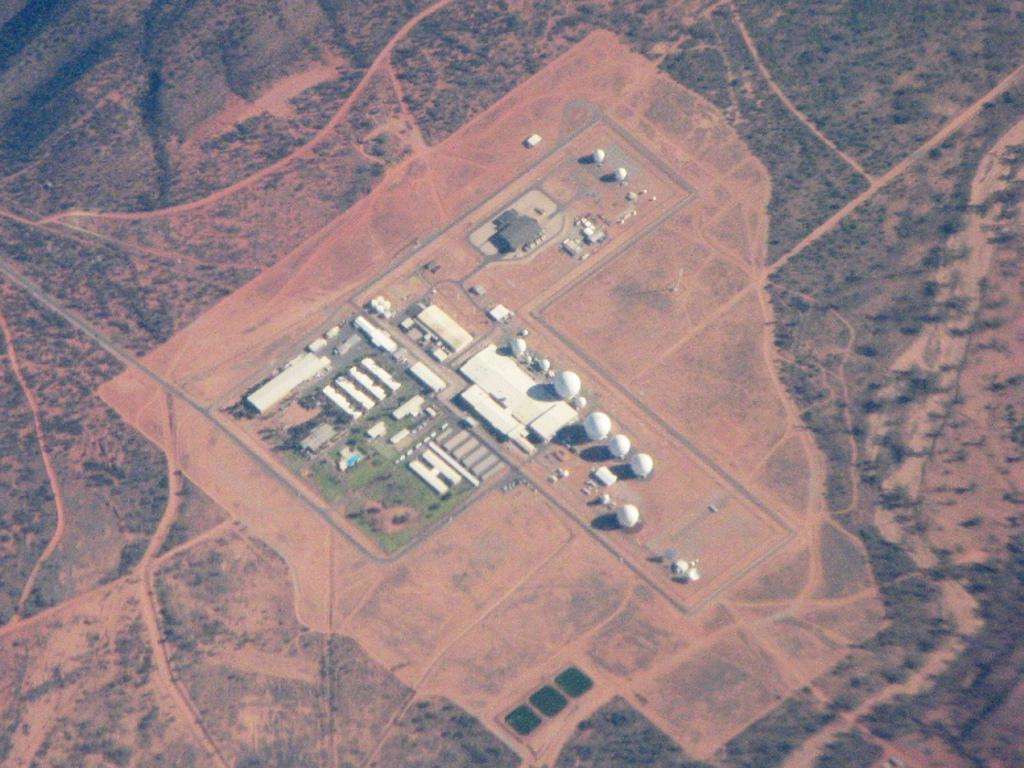
A protest outside the Joint Defence Facility Pine Gap near Alice Springs has sparked debate over consultation, cultural authority and the role of traditional owners after an Aboriginal corporation criticised organisers for not seeking broader approval before holding the demonstration.
The protest attracted hundreds of participants who marched to the Pine Gap facility, calling for the closure of the Australian-US intelligence base and the return of land to Arrernte traditional owners. The event was organised by a range of anti-war, land rights and social justice groups and was described by organisers as one of the largest demonstrations at Pine Gap in decades.
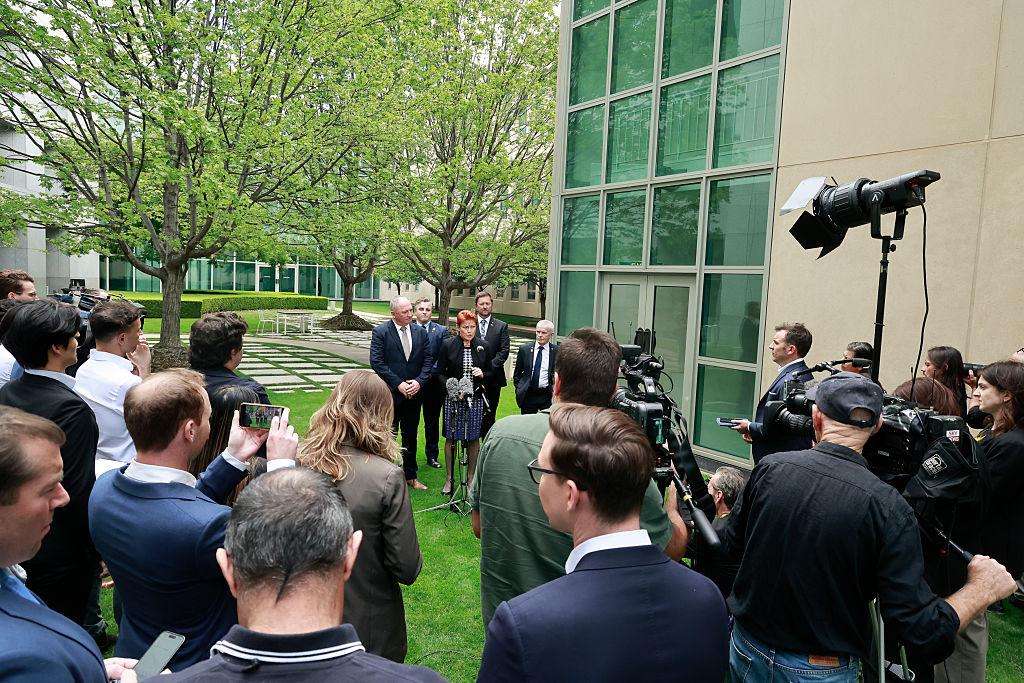
However, Que Kenny, chief executive of the Lhere Artepe Aboriginal Corporation, criticised the protest, saying organisers had not properly consulted the recognised native title representatives for the Alice Springs area. Lhere Artepe represents three native title estate groups connected to Mparntwe (Alice Springs), Antulye and Irlpme.
Kenny said the protest took place on land with important cultural significance and argued that traditional owners should have been involved in decisions about activities occurring on country. She said the demonstration did not represent the views of all Central Arrernte people and that proper consultation processes had not been followed.
Protest organisers responded by saying they had listened to Arrernte traditional owners and acknowledged that there are different perspectives within the community. They said the demonstration was intended to support concerns raised by some traditional owners about Pine Gap’s presence on culturally significant land.
The protest was led in part by members of the Hayes family, who identify as traditional custodians of the land where Pine Gap is located. They delivered a letter to the facility calling for the return of land, access to sacred sites and compensation related to decades of occupation.
Pine Gap, located outside Alice Springs, is a highly secure joint Australian-US defence facility involved in intelligence activities. The site has been controversial for decades because of its role in global surveillance and defence operations.
During the demonstration, protesters raised concerns about the facility’s role in international military operations and argued that Indigenous cultural rights should be recognised in decisions about land use. Some participants also connected the protest to broader anti-war and international issues.
The debate has highlighted a complex issue involving Indigenous representation, cultural authority and activism. While some traditional owners support calls for greater control and recognition of sacred sites, Aboriginal organisations have stressed that consultation must include the recognised representative bodies and broader community voices.
The Australian Government and Defence Department have maintained that they do not comment on intelligence operations or the activities of joint defence facilities such as Pine Gap.
The controversy reflects wider discussions across Australia about how protests, land rights campaigns and Indigenous decision-making should interact. Community leaders say protecting cultural authority and ensuring respectful engagement with traditional owners are essential when activities occur on Aboriginal land.
LandTraditionalOwnersPineProtest
A protest outside the Joint Defence Facility Pine Gap near Alice Springs has sparked debate over consultation, cultural authority and the role of traditional owners after an Aboriginal corporation criticised organisers for not seeking broader approval before holding the demonstration.
The protest attracted hundreds of participants who marched to the Pine Gap facility, calling for the closure of the Australian-US intelligence base and the return of land to Arrernte traditional owners. The event was organised by a range of anti-war, land rights and social justice groups and was described by organisers as one of the largest demonstrations at Pine Gap in decades.
However, Que Kenny, chief executive of the Lhere Artepe Aboriginal Corporation, criticised the protest, saying organisers had not properly consulted the recognised native title representatives for the Alice Springs area. Lhere Artepe represents three native title estate groups connected to Mparntwe (Alice Springs), Antulye and Irlpme.
Kenny said the protest took place on land with important cultural significance and argued that traditional owners should have been involved in decisions about activities occurring on country. She said the demonstration did not represent the views of all Central Arrernte people and that proper consultation processes had not been followed.
Protest organisers responded by saying they had listened to Arrernte traditional owners and acknowledged that there are different perspectives within the community. They said the demonstration was intended to support concerns raised by some traditional owners about Pine Gap’s presence on culturally significant land.
The protest was led in part by members of the Hayes family, who identify as traditional custodians of the land where Pine Gap is located. They delivered a letter to the facility calling for the return of land, access to sacred sites and compensation related to decades of occupation.
Pine Gap, located outside Alice Springs, is a highly secure joint Australian-US defence facility involved in intelligence activities. The site has been controversial for decades because of its role in global surveillance and defence operations.
During the demonstration, protesters raised concerns about the facility’s role in international military operations and argued that Indigenous cultural rights should be recognised in decisions about land use. Some participants also connected the protest to broader anti-war and international issues.
The debate has highlighted a complex issue involving Indigenous representation, cultural authority and activism. While some traditional owners support calls for greater control and recognition of sacred sites, Aboriginal organisations have stressed that consultation must include the recognised representative bodies and broader community voices.
The Australian Government and Defence Department have maintained that they do not comment on intelligence operations or the activities of joint defence facilities such as Pine Gap.
The controversy reflects wider discussions across Australia about how protests, land rights campaigns and Indigenous decision-making should interact. Community leaders say protecting cultural authority and ensuring respectful engagement with traditional owners are essential when activities occur on Aboriginal land.
The Federal Government is preparing new measures targeting temporary visas, visa overstayers, international students and visa-hopping, while maintaining...
One Nation’s proposed major reduction in migration has triggered warnings that a sharp cut to population growth could weaken Australia’s economy and cre...
An automated external defibrillator and memorial plaque have been installed at Ellery Creek Big Hole following the death of disability advocate Ellen Fr...
Paramedics responding to an emergency in Alice Springs were forced to use a stretcher as a barricade after an armed and allegedly intoxicated group beca...
Cairns Regional Council has unanimously voted to seek $400,000 in Queensland Government funding for a program designed to connect local businesses with the region’s growing film...
An automated external defibrillator and memorial plaque have been installed at Ellery Creek Big Hole following the death of disability advocate Ellen Fr...
Queensland firefighters spent several hours monitoring a significant grass fire at Mary Kinross Park in Bargara, near Bundaberg, after the blaze broke out on Wednesday evening....