Safety note: Admin approval is an initial review, not a guarantee that every detail is correct. Check important or urgent claims with official sources and report anything inaccurate or unsafe.
Source and credit: Contributor's own report
Queensland arts minister faces scrutiny over Cultural Centre board appointments - Brisbane, QLD
Smart summary
Queensland Arts Minister John-Paul Langbroek is under pressure after appointing several former Liberal National Party politicians, advisers and political figures to the boards overseeing the state's major cultural ins...
Queensland Arts Minister John-Paul Langbroek is facing renewed criticism over a series of appointments to the boards that oversee the state's major cultural institutions, with opponents questioning whether the selections were based on political connections rather than experience in the arts sector.
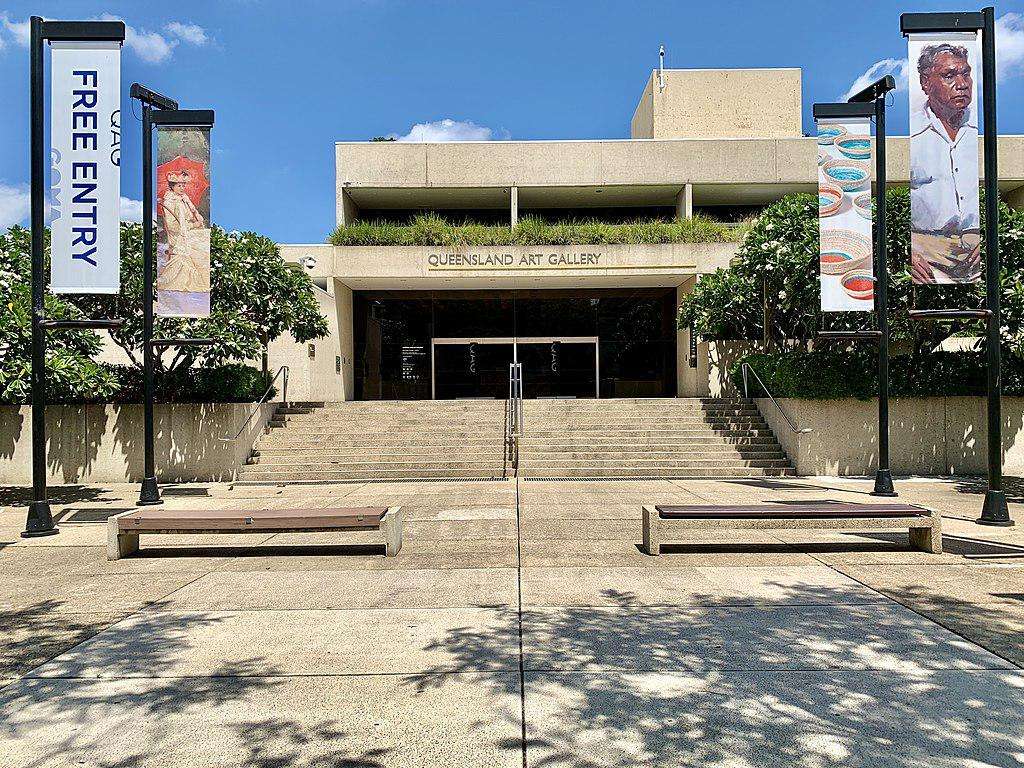
The appointments involve boards responsible for organisations within the Queensland Cultural Centre at South Bank, Brisbane, including the Queensland Performing Arts Centre (QPAC), Queensland Museum, the Queensland Art Gallery | Gallery of Modern Art (QAGOMA) and the State Library of Queensland. Together, these institutions attract millions of visitors each year and are central to Queensland's cultural life.
According to the ABC, a number of the newly appointed board members have previously served as LNP politicians, ministerial advisers or political staffers. Critics argue the appointments continue a broader "jobs-for-mates" debate that has surrounded several government appointments in recent months. Opposition MPs and arts advocates say public cultural institutions should primarily be governed by people with extensive experience in the arts, museums, galleries and cultural management.
Minister Langbroek has defended the appointments, saying boards require a broad mix of expertise rather than only arts backgrounds. He argued that skills in governance, finance, law, business and strategic planning are essential for organisations that manage significant public assets, major infrastructure and multimillion-dollar budgets.
The government also maintains that all appointments were made through the appropriate statutory processes and that the selected individuals possess the experience needed to guide Queensland's cultural institutions through future challenges and opportunities.
The controversy comes at a time when Queensland's arts sector is preparing for increased international attention ahead of the 2032 Brisbane Olympic and Paralympic Games. Cultural organisations are expected to play a significant role in showcasing Queensland's creative industries, Indigenous culture and tourism attractions during the lead-up to the Games.
Arts leaders say effective governance is vital as institutions continue to respond to changing visitor expectations, digital innovation, financial pressures and major capital projects. Supporters of the appointments argue that boards benefit from members with varied professional backgrounds, while critics believe stronger representation from practicing artists, curators and cultural leaders would improve decision-making.
The issue has also renewed debate about transparency in appointments to publicly funded organisations. Governance experts note that public confidence is strengthened when appointment processes are clearly explained and based on published selection criteria.
Despite the political debate, the Cultural Centre continues to operate as Queensland's premier arts precinct, hosting exhibitions, theatre productions, concerts, educational programs and public events throughout the year. The newly appointed board members are expected to begin overseeing strategic planning, financial management and long-term development across the institutions.
The appointments are likely to remain a topic of political discussion in Queensland Parliament as both the government and opposition continue debating the balance between governance expertise, public accountability and representation from the arts community.
QueenslandArtsAppointmentsCulturalInstitutions
Queensland Arts Minister John-Paul Langbroek is facing renewed criticism over a series of appointments to the boards that oversee the state's major cultural institutions, with opponents questioning whether the selections were based on political connections rather than experience in the arts sector.
The appointments involve boards responsible for organisations within the Queensland Cultural Centre at South Bank, Brisbane, including the Queensland Performing Arts Centre (QPAC), Queensland Museum, the Queensland Art Gallery | Gallery of Modern Art (QAGOMA) and the State Library of Queensland. Together, these institutions attract millions of visitors each year and are central to Queensland's cultural life.
According to the ABC, a number of the newly appointed board members have previously served as LNP politicians, ministerial advisers or political staffers. Critics argue the appointments continue a broader "jobs-for-mates" debate that has surrounded several government appointments in recent months. Opposition MPs and arts advocates say public cultural institutions should primarily be governed by people with extensive experience in the arts, museums, galleries and cultural management.
Minister Langbroek has defended the appointments, saying boards require a broad mix of expertise rather than only arts backgrounds. He argued that skills in governance, finance, law, business and strategic planning are essential for organisations that manage significant public assets, major infrastructure and multimillion-dollar budgets.
The government also maintains that all appointments were made through the appropriate statutory processes and that the selected individuals possess the experience needed to guide Queensland's cultural institutions through future challenges and opportunities.
The controversy comes at a time when Queensland's arts sector is preparing for increased international attention ahead of the 2032 Brisbane Olympic and Paralympic Games. Cultural organisations are expected to play a significant role in showcasing Queensland's creative industries, Indigenous culture and tourism attractions during the lead-up to the Games.
Arts leaders say effective governance is vital as institutions continue to respond to changing visitor expectations, digital innovation, financial pressures and major capital projects. Supporters of the appointments argue that boards benefit from members with varied professional backgrounds, while critics believe stronger representation from practicing artists, curators and cultural leaders would improve decision-making.
The issue has also renewed debate about transparency in appointments to publicly funded organisations. Governance experts note that public confidence is strengthened when appointment processes are clearly explained and based on published selection criteria.
Despite the political debate, the Cultural Centre continues to operate as Queensland's premier arts precinct, hosting exhibitions, theatre productions, concerts, educational programs and public events throughout the year. The newly appointed board members are expected to begin overseeing strategic planning, financial management and long-term development across the institutions.
The appointments are likely to remain a topic of political discussion in Queensland Parliament as both the government and opposition continue debating the balance between governance expertise, public accountability and representation from the arts community.
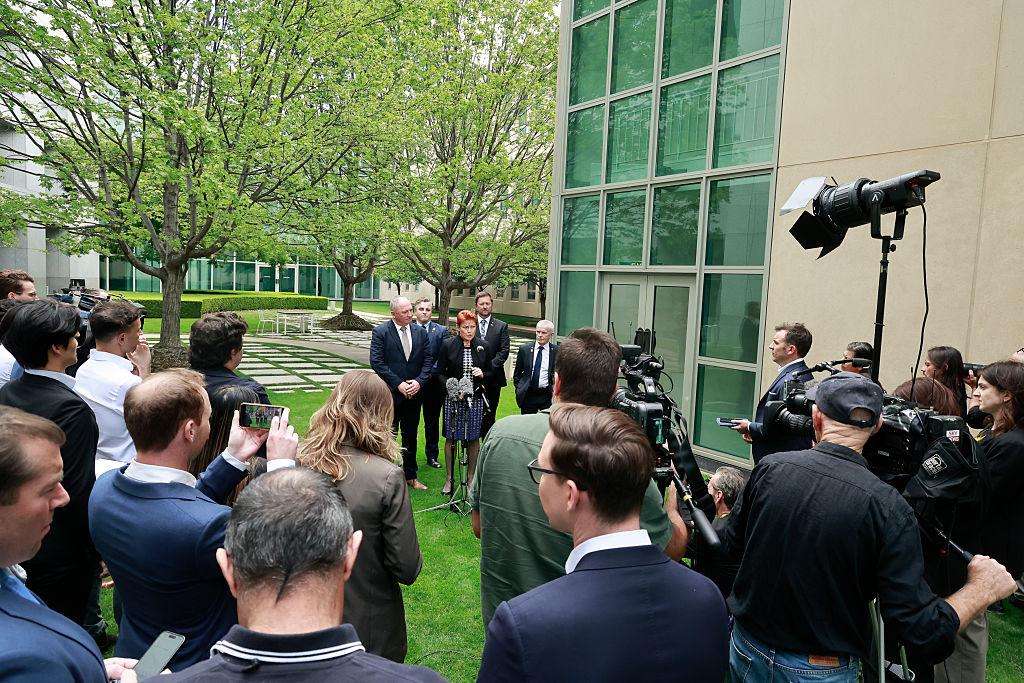
The Federal Government is preparing new measures targeting temporary visas, visa overstayers, international students and visa-hopping, while maintaining...
One Nation’s proposed major reduction in migration has triggered warnings that a sharp cut to population growth could weaken Australia’s economy and cre...
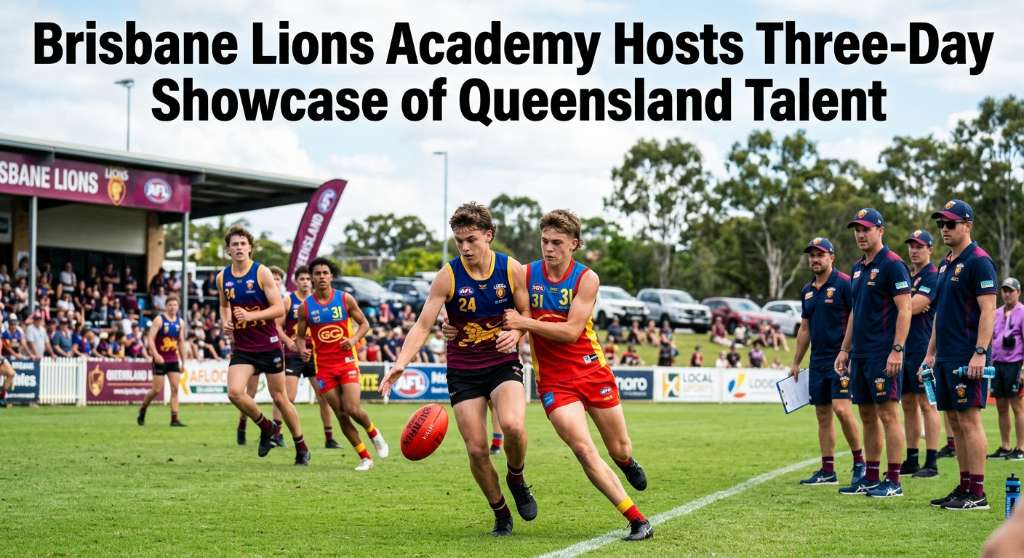
Queensland's emerging football prospects are coming together for a three-day Brisbane Lions State Academy showcase, giving young players an opportunity...
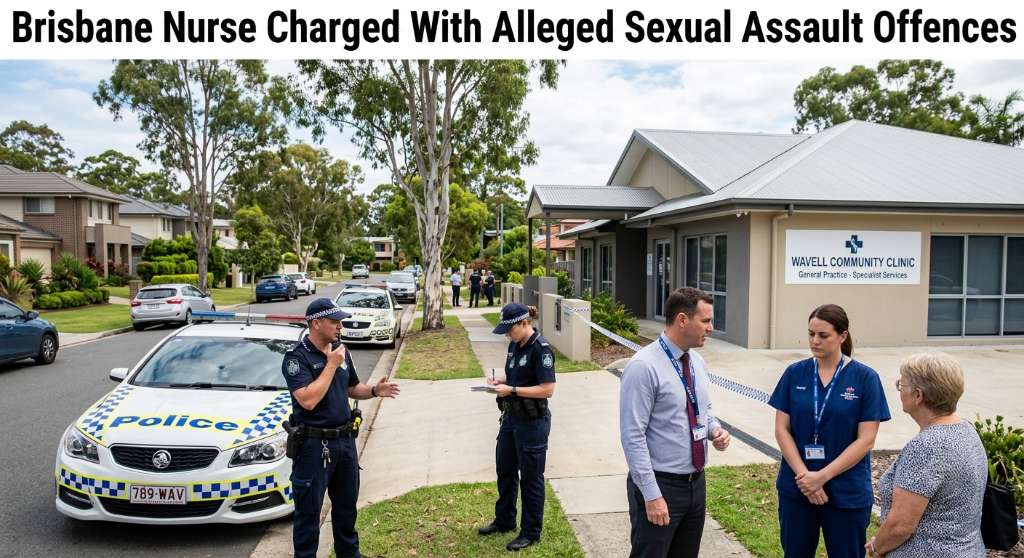
A Wavell Heights enrolled nurse has been charged with four counts of alleged sexual assault and one count of wilful exposure, with his professional regi...
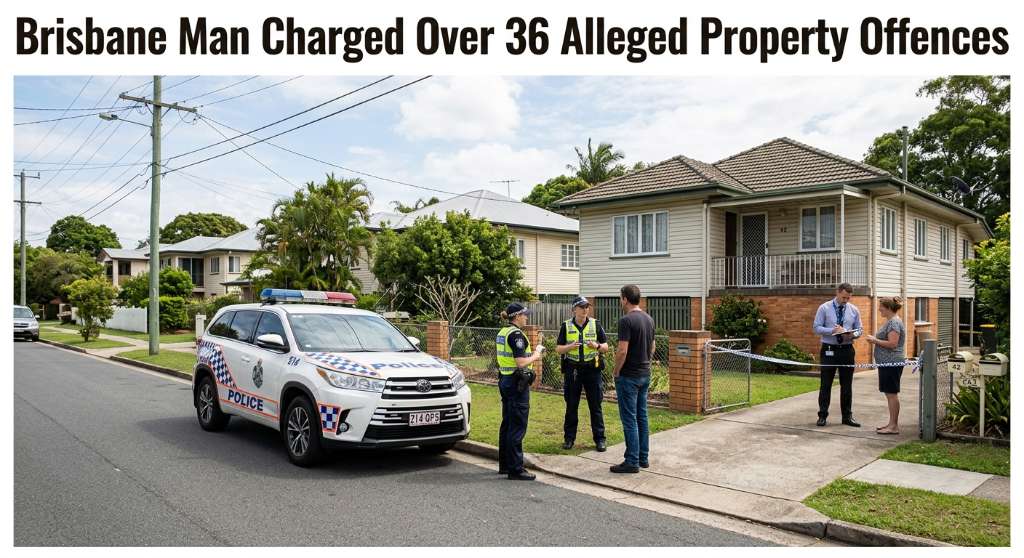
A 24-year-old Carina Heights man has been charged with 36 offences following an investigation into alleged break-ins, vehicle offences and other propert...
Cairns Regional Council has unanimously voted to seek $400,000 in Queensland Government funding for a program designed to connect local businesses with the region’s growing film...
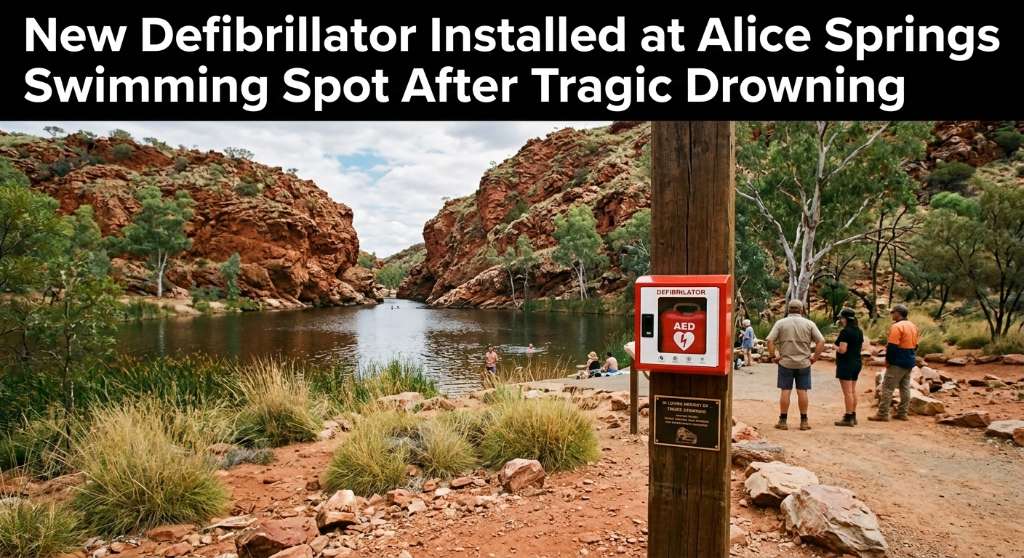
An automated external defibrillator and memorial plaque have been installed at Ellery Creek Big Hole following the death of disability advocate Ellen Fr...
Queensland firefighters spent several hours monitoring a significant grass fire at Mary Kinross Park in Bargara, near Bundaberg, after the blaze broke out on Wednesday evening....