Safety note: Admin approval is an initial review, not a guarantee that every detail is correct. Check important or urgent claims with official sources and report anything inaccurate or unsafe.
Source and credit: Contributor's own report
Queensland Child Safety Watchdog Warns of Lack of Progress - Brisbane, QLD
Smart summary
The Queensland Family and Child Commission has raised concerns about limited visible progress in the child-safety system, while the government says reforms are underway.
Queensland's child-safety system is facing renewed political scrutiny after the state's independent child-safety watchdog raised concerns about the lack of visible progress for children in government care.
Queensland Family and Child Commission Principal Commissioner Luke Twyford has questioned whether enough measurable change is reaching children and young people living in the state's child-safety system. He has also raised concerns about the availability of current information showing how the system is performing.
One major issue is the discontinuation of the My Life in Care Survey, which previously allowed children in state care to provide direct feedback about their experiences. The survey was discontinued by Child Safety Minister Amanda Camm after concerns were raised about the use of gift cards that had been provided to participating children under the previous government.
Mr Twyford has argued that removing the survey without an immediate replacement makes it more difficult to understand children's experiences and assess whether conditions are improving. He has called for a replacement system that allows children and young people to have their voices heard.
The watchdog has also raised concerns about the availability of broader child-safety data. Some departmental data had been delayed because of information-technology problems, making it harder to assess changes in areas such as placement stability and residential care.
The latest available figures cited in the report showed 2,819 children in residential care in the March 2026 quarter, compared with 2,258 in the corresponding period of 2025. The figures have added to the debate about the capacity and performance of Queensland's child-safety system.
The Queensland Government has defended its approach, saying that reforms are already being implemented. Child Safety Minister Amanda Camm has previously pointed to measures including additional frontline staffing, support for foster and kinship carers, locating missing children and the development of new care facilities.
The government maintains that Queenslanders can have confidence in its child-safety reform program and says it is acting on recommendations from the state's child-safety inquiries.
The disagreement is therefore largely about how quickly reforms are producing visible results and how effectively the government can measure the experiences of children currently in care.
The watchdog says reforms need to be felt by children themselves, while the government says significant structural changes are already being implemented.
The issue remains politically significant because child safety is a major responsibility of the Queensland Government and involves vulnerable children who depend on the state for protection and care.
ChildrenCareChild-SafetyGovernmentQueensland
Queensland's child-safety system is facing renewed political scrutiny after the state's independent child-safety watchdog raised concerns about the lack of visible progress for children in government care.
Queensland Family and Child Commission Principal Commissioner Luke Twyford has questioned whether enough measurable change is reaching children and young people living in the state's child-safety system. He has also raised concerns about the availability of current information showing how the system is performing.
One major issue is the discontinuation of the My Life in Care Survey, which previously allowed children in state care to provide direct feedback about their experiences. The survey was discontinued by Child Safety Minister Amanda Camm after concerns were raised about the use of gift cards that had been provided to participating children under the previous government.
Mr Twyford has argued that removing the survey without an immediate replacement makes it more difficult to understand children's experiences and assess whether conditions are improving. He has called for a replacement system that allows children and young people to have their voices heard.
The watchdog has also raised concerns about the availability of broader child-safety data. Some departmental data had been delayed because of information-technology problems, making it harder to assess changes in areas such as placement stability and residential care.
The latest available figures cited in the report showed 2,819 children in residential care in the March 2026 quarter, compared with 2,258 in the corresponding period of 2025. The figures have added to the debate about the capacity and performance of Queensland's child-safety system.
The Queensland Government has defended its approach, saying that reforms are already being implemented. Child Safety Minister Amanda Camm has previously pointed to measures including additional frontline staffing, support for foster and kinship carers, locating missing children and the development of new care facilities.
The government maintains that Queenslanders can have confidence in its child-safety reform program and says it is acting on recommendations from the state's child-safety inquiries.
The disagreement is therefore largely about how quickly reforms are producing visible results and how effectively the government can measure the experiences of children currently in care.
The watchdog says reforms need to be felt by children themselves, while the government says significant structural changes are already being implemented.
The issue remains politically significant because child safety is a major responsibility of the Queensland Government and involves vulnerable children who depend on the state for protection and care.
The Federal Government is preparing new measures targeting temporary visas, visa overstayers, international students and visa-hopping, while maintaining...
One Nation’s proposed major reduction in migration has triggered warnings that a sharp cut to population growth could weaken Australia’s economy and cre...
Queensland's emerging football prospects are coming together for a three-day Brisbane Lions State Academy showcase, giving young players an opportunity...
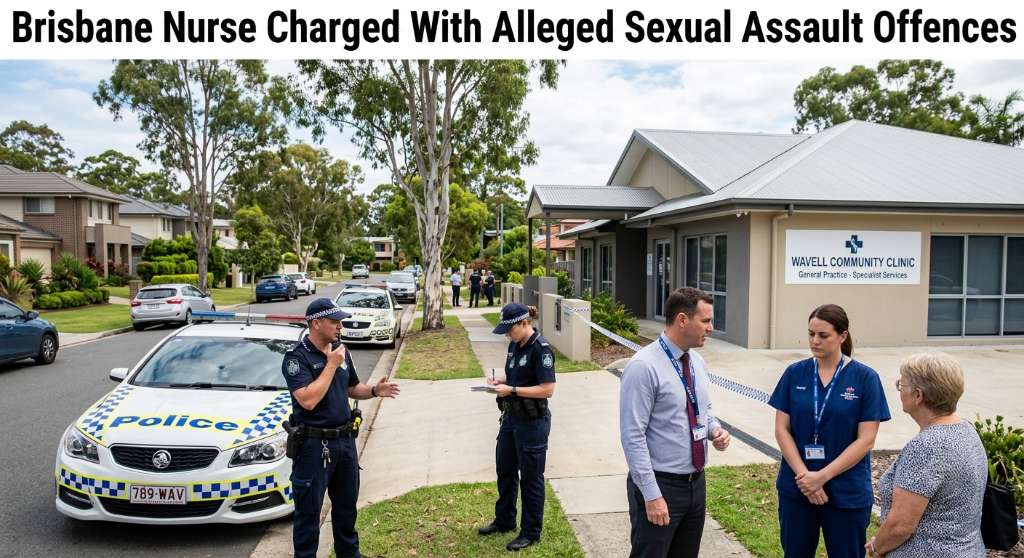
A Wavell Heights enrolled nurse has been charged with four counts of alleged sexual assault and one count of wilful exposure, with his professional regi...
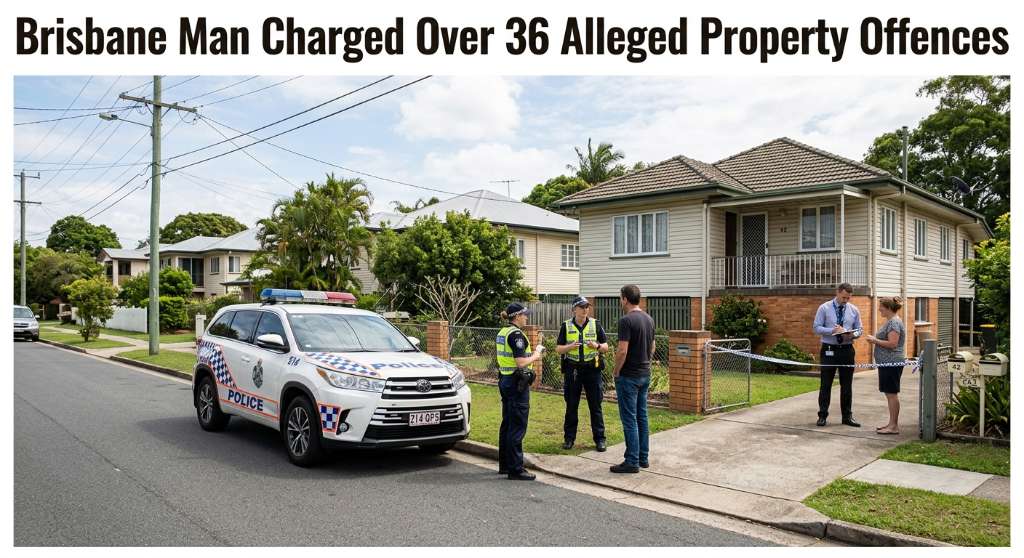
A 24-year-old Carina Heights man has been charged with 36 offences following an investigation into alleged break-ins, vehicle offences and other propert...
Cairns Regional Council has unanimously voted to seek $400,000 in Queensland Government funding for a program designed to connect local businesses with the region’s growing film...
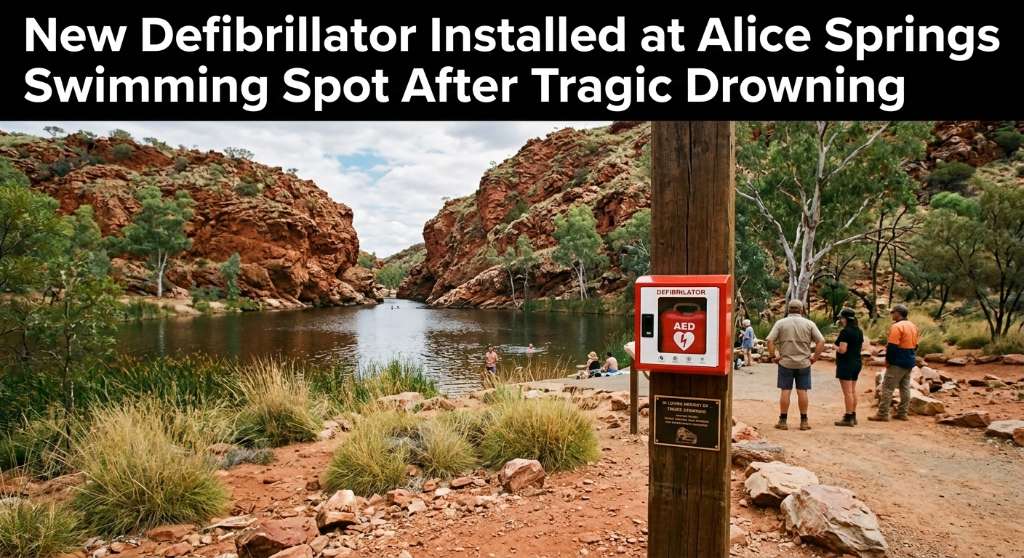
An automated external defibrillator and memorial plaque have been installed at Ellery Creek Big Hole following the death of disability advocate Ellen Fr...
Queensland firefighters spent several hours monitoring a significant grass fire at Mary Kinross Park in Bargara, near Bundaberg, after the blaze broke out on Wednesday evening....