Safety note: Admin approval is an initial review, not a guarantee that every detail is correct. Check important or urgent claims with official sources and report anything inaccurate or unsafe.
Source and credit: Contributor's own report
Queensland drug-driving law changes spark debate over medicinal cannabis users - Brisbane, QLD
Smart summary
Queensland is moving towards tougher drink and drug-driving penalties, while debate continues over whether people using prescribed medicinal cannabis should be exempt from current zero-tolerance rules.
Queensland is preparing for major changes to its drink and drug-driving laws, with the state government announcing tougher penalties aimed at reducing dangerous behaviour on roads. The reforms have also reignited debate about how the laws affect people who legally use medicinal cannabis.
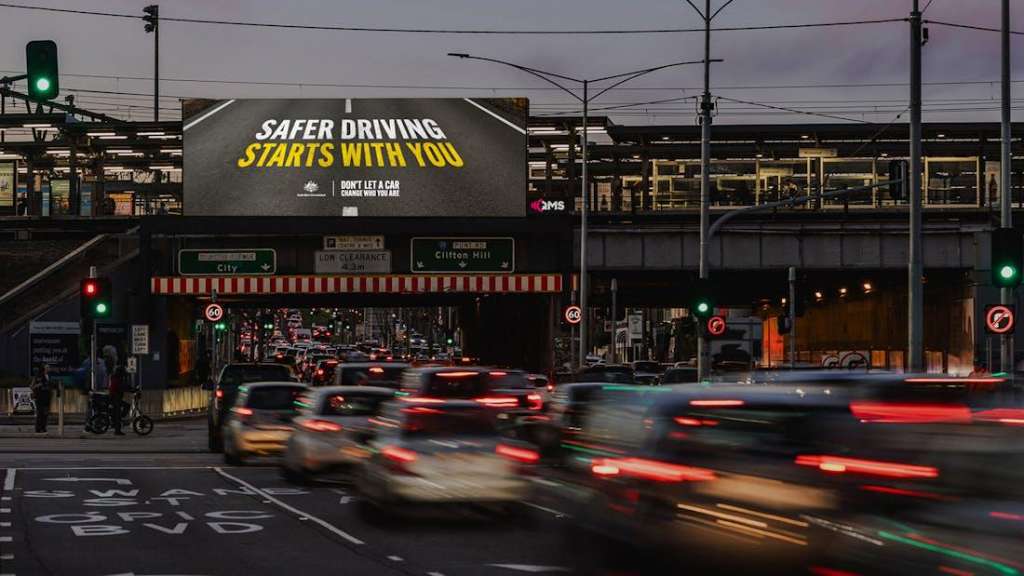
The proposed changes include stronger penalties for drivers caught with drugs in their system, tougher consequences for repeat offenders and new offences targeting people who combine alcohol and drugs before driving. The government has said the changes are designed to improve road safety and reduce serious crashes.
A key issue attracting attention is Queensland’s zero-tolerance approach to drug driving, which means drivers can face penalties if a relevant drug, including THC from medicinal cannabis, is detected in their saliva or blood. The law applies even if the person has a valid prescription and may not feel impaired at the time of testing.
Supporters of the current approach argue that road safety must remain the priority and that THC can affect driving ability. The Queensland government has said there are still scientific challenges in accurately measuring cannabis impairment compared with simply detecting the presence of THC.
However, medicinal cannabis advocates argue that the current system unfairly treats legal patients the same as people using illegal drugs. They say THC can remain detectable in the body after the effects have worn off, meaning some prescribed patients could potentially face penalties despite being safe to drive.
The debate has grown as other Australian states consider different approaches. Some jurisdictions are exploring systems that focus more on impairment levels rather than only detecting the presence of THC. Supporters of reform say Queensland should consider similar options to balance patient access with community safety.
The Queensland Drug Driving Review examined medicinal cannabis and recommended maintaining the state’s current approach, while also recommending better education and clearer information for patients and medical professionals about driving risks.
The government’s planned reforms are expected to introduce increased penalties from December 2026, including doubled penalties for some drink and drug-driving offences. The changes are part of a wider road safety package aimed at addressing dangerous driving behaviours.
Medical groups have also weighed into the discussion. The Australian Medical Association Queensland has supported continued restrictions, stating that medicinal cannabis can affect driving safety and that patients should discuss medication effects with their doctors.
The issue remains controversial, with one side arguing that stronger laws are necessary to prevent road deaths, while the other side argues that legal medicinal cannabis patients need a fairer system based on actual impairment.
Further discussions and possible legislative changes will determine how Queensland balances road safety, medical treatment access and the rights of prescribed cannabis users.
CannabisQueenslandDrivingMedicinalChanges
Queensland is preparing for major changes to its drink and drug-driving laws, with the state government announcing tougher penalties aimed at reducing dangerous behaviour on roads. The reforms have also reignited debate about how the laws affect people who legally use medicinal cannabis.
The proposed changes include stronger penalties for drivers caught with drugs in their system, tougher consequences for repeat offenders and new offences targeting people who combine alcohol and drugs before driving. The government has said the changes are designed to improve road safety and reduce serious crashes.
A key issue attracting attention is Queensland’s zero-tolerance approach to drug driving, which means drivers can face penalties if a relevant drug, including THC from medicinal cannabis, is detected in their saliva or blood. The law applies even if the person has a valid prescription and may not feel impaired at the time of testing.
Supporters of the current approach argue that road safety must remain the priority and that THC can affect driving ability. The Queensland government has said there are still scientific challenges in accurately measuring cannabis impairment compared with simply detecting the presence of THC.
However, medicinal cannabis advocates argue that the current system unfairly treats legal patients the same as people using illegal drugs. They say THC can remain detectable in the body after the effects have worn off, meaning some prescribed patients could potentially face penalties despite being safe to drive.
The debate has grown as other Australian states consider different approaches. Some jurisdictions are exploring systems that focus more on impairment levels rather than only detecting the presence of THC. Supporters of reform say Queensland should consider similar options to balance patient access with community safety.
The Queensland Drug Driving Review examined medicinal cannabis and recommended maintaining the state’s current approach, while also recommending better education and clearer information for patients and medical professionals about driving risks.
The government’s planned reforms are expected to introduce increased penalties from December 2026, including doubled penalties for some drink and drug-driving offences. The changes are part of a wider road safety package aimed at addressing dangerous driving behaviours.
Medical groups have also weighed into the discussion. The Australian Medical Association Queensland has supported continued restrictions, stating that medicinal cannabis can affect driving safety and that patients should discuss medication effects with their doctors.
The issue remains controversial, with one side arguing that stronger laws are necessary to prevent road deaths, while the other side argues that legal medicinal cannabis patients need a fairer system based on actual impairment.
Further discussions and possible legislative changes will determine how Queensland balances road safety, medical treatment access and the rights of prescribed cannabis users.
The Federal Government is preparing new measures targeting temporary visas, visa overstayers, international students and visa-hopping, while maintaining...
One Nation’s proposed major reduction in migration has triggered warnings that a sharp cut to population growth could weaken Australia’s economy and cre...
Queensland's emerging football prospects are coming together for a three-day Brisbane Lions State Academy showcase, giving young players an opportunity...
A Wavell Heights enrolled nurse has been charged with four counts of alleged sexual assault and one count of wilful exposure, with his professional regi...
A 24-year-old Carina Heights man has been charged with 36 offences following an investigation into alleged break-ins, vehicle offences and other propert...
Cairns Regional Council has unanimously voted to seek $400,000 in Queensland Government funding for a program designed to connect local businesses with the region’s growing film...
An automated external defibrillator and memorial plaque have been installed at Ellery Creek Big Hole following the death of disability advocate Ellen Fr...
Queensland firefighters spent several hours monitoring a significant grass fire at Mary Kinross Park in Bargara, near Bundaberg, after the blaze broke out on Wednesday evening....