Safety note: Admin approval is an initial review, not a guarantee that every detail is correct. Check important or urgent claims with official sources and report anything inaccurate or unsafe.
Source and credit: Contributor's own report
Queensland government defends Cultural Centre board appointments amid criticism - Brisbane, QLD
Smart summary
The Queensland Government has defended its appointments to the Queensland Cultural Centre board after concerns were raised about the selection process and the experience of some new members. The appointments have spar...
The Queensland Government is facing scrutiny over its latest appointments to the board responsible for overseeing the Queensland Cultural Centre, one of Australia's largest arts and cultural precincts.
The controversy centres on appointments made by Arts Minister John-Paul Langbroek, with critics questioning whether the selection process adequately prioritised governance experience and expertise in the arts sector. The issue has prompted discussion among artists, cultural organisations and opposition politicians about how major public institutions should be managed.
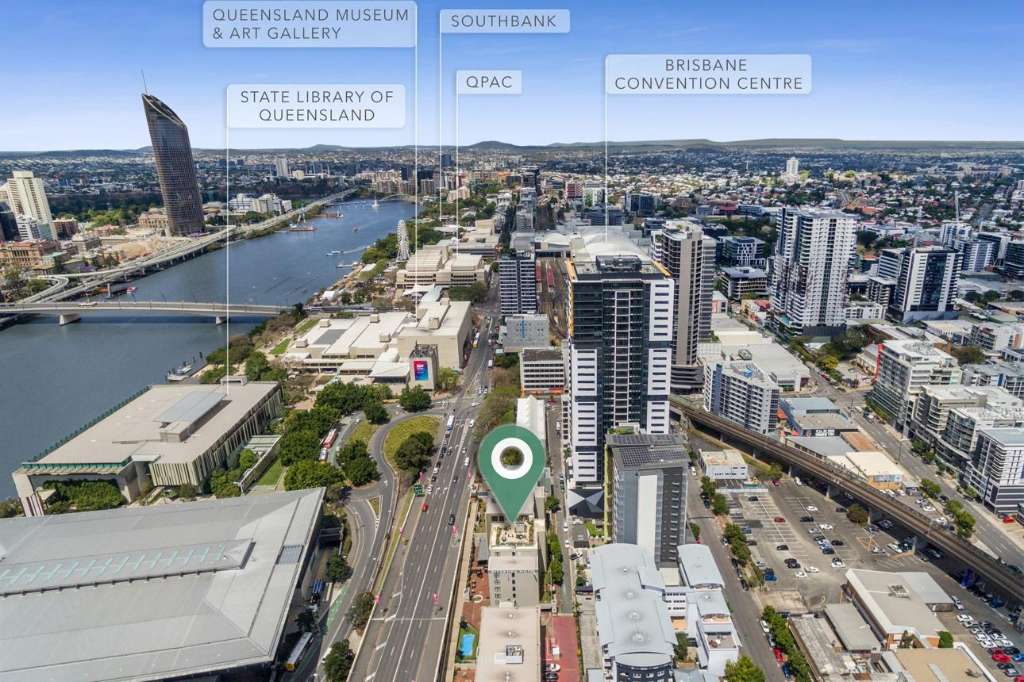
Located at South Bank in Brisbane, the Queensland Cultural Centre is home to several of the state's leading cultural institutions, including the Queensland Museum, the Queensland Art Gallery | Gallery of Modern Art (QAGOMA), the Queensland Performing Arts Centre (QPAC) and the State Library of Queensland. Together, these organisations attract millions of visitors each year and play a central role in Queensland's cultural life.
The ABC reported that several newly appointed board members have backgrounds in business, law and public administration, while some figures within the arts community argued that greater representation from experienced arts professionals would strengthen the board's ability to oversee the sector.
Minister John-Paul Langbroek rejected suggestions that the appointments were inappropriate, saying the board requires members with a broad mix of professional skills, including governance, finance, legal expertise and strategic leadership. He said diverse experience is important for managing major public institutions with significant budgets and responsibilities.
The government also stated that all appointments were made in accordance with Queensland's governance requirements and that the selected members would help guide the Cultural Centre through future projects and long-term planning.
Opposition representatives and some arts advocates expressed concern about transparency in the appointment process. They argued that cultural organisations benefit from board members who have extensive knowledge of the arts, museum management, public programming and community engagement.
The discussion comes at a time when cultural institutions across Australia are adapting to changing visitor expectations, digital engagement and funding pressures. Strong governance is considered essential for ensuring museums, galleries and performing arts venues remain financially sustainable while continuing to deliver high-quality public programs.
Supporters of the appointments note that many successful cultural organisations combine arts expertise with members who have commercial, financial and legal experience. They argue that effective governance often depends on balancing creative leadership with strong organisational oversight.
The Queensland Cultural Centre is one of the state's most important public assets, hosting exhibitions, theatre productions, concerts, educational programs and community events throughout the year. Decisions made by its governing board influence long-term investment, infrastructure planning and the direction of major cultural initiatives.
The debate has highlighted broader questions about how governments appoint members to publicly funded boards and how they balance professional diversity with sector-specific expertise. While opinions differ on the latest appointments, there is broad agreement that the Cultural Centre plays a vital role in preserving Queensland's cultural heritage and supporting the creative industries.
The newly appointed board members are expected to begin their roles as the government continues implementing its cultural policy agenda. Meanwhile, discussion about governance, accountability and representation within Queensland's arts sector is likely to continue.
CulturalQueenslandArtsBoardAppointments
The Queensland Government is facing scrutiny over its latest appointments to the board responsible for overseeing the Queensland Cultural Centre, one of Australia's largest arts and cultural precincts.
The controversy centres on appointments made by Arts Minister John-Paul Langbroek, with critics questioning whether the selection process adequately prioritised governance experience and expertise in the arts sector. The issue has prompted discussion among artists, cultural organisations and opposition politicians about how major public institutions should be managed.
Located at South Bank in Brisbane, the Queensland Cultural Centre is home to several of the state's leading cultural institutions, including the Queensland Museum, the Queensland Art Gallery | Gallery of Modern Art (QAGOMA), the Queensland Performing Arts Centre (QPAC) and the State Library of Queensland. Together, these organisations attract millions of visitors each year and play a central role in Queensland's cultural life.
The ABC reported that several newly appointed board members have backgrounds in business, law and public administration, while some figures within the arts community argued that greater representation from experienced arts professionals would strengthen the board's ability to oversee the sector.
Minister John-Paul Langbroek rejected suggestions that the appointments were inappropriate, saying the board requires members with a broad mix of professional skills, including governance, finance, legal expertise and strategic leadership. He said diverse experience is important for managing major public institutions with significant budgets and responsibilities.
The government also stated that all appointments were made in accordance with Queensland's governance requirements and that the selected members would help guide the Cultural Centre through future projects and long-term planning.
Opposition representatives and some arts advocates expressed concern about transparency in the appointment process. They argued that cultural organisations benefit from board members who have extensive knowledge of the arts, museum management, public programming and community engagement.
The discussion comes at a time when cultural institutions across Australia are adapting to changing visitor expectations, digital engagement and funding pressures. Strong governance is considered essential for ensuring museums, galleries and performing arts venues remain financially sustainable while continuing to deliver high-quality public programs.
Supporters of the appointments note that many successful cultural organisations combine arts expertise with members who have commercial, financial and legal experience. They argue that effective governance often depends on balancing creative leadership with strong organisational oversight.
The Queensland Cultural Centre is one of the state's most important public assets, hosting exhibitions, theatre productions, concerts, educational programs and community events throughout the year. Decisions made by its governing board influence long-term investment, infrastructure planning and the direction of major cultural initiatives.
The debate has highlighted broader questions about how governments appoint members to publicly funded boards and how they balance professional diversity with sector-specific expertise. While opinions differ on the latest appointments, there is broad agreement that the Cultural Centre plays a vital role in preserving Queensland's cultural heritage and supporting the creative industries.
The newly appointed board members are expected to begin their roles as the government continues implementing its cultural policy agenda. Meanwhile, discussion about governance, accountability and representation within Queensland's arts sector is likely to continue.
The Federal Government is preparing new measures targeting temporary visas, visa overstayers, international students and visa-hopping, while maintaining...
One Nation’s proposed major reduction in migration has triggered warnings that a sharp cut to population growth could weaken Australia’s economy and cre...
Queensland's emerging football prospects are coming together for a three-day Brisbane Lions State Academy showcase, giving young players an opportunity...
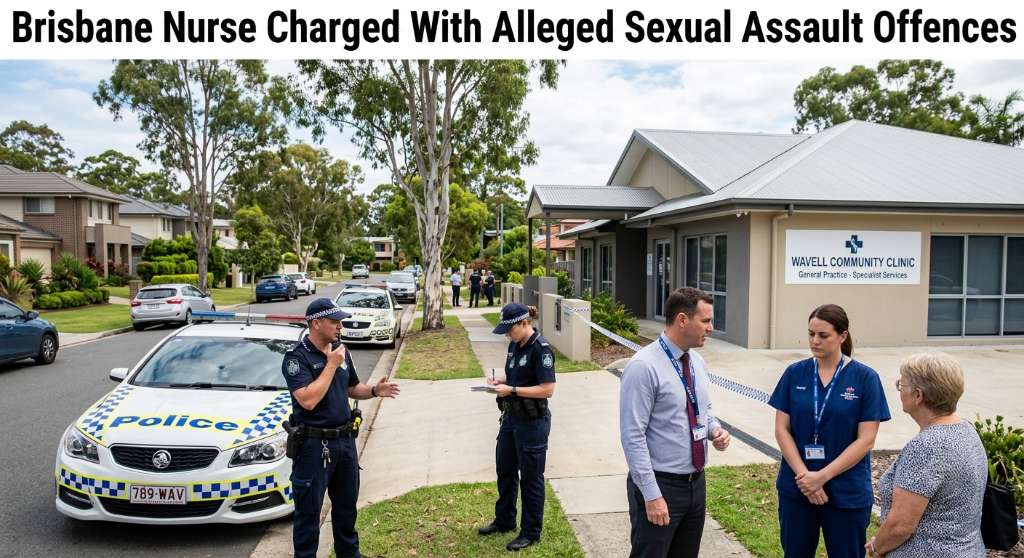
A Wavell Heights enrolled nurse has been charged with four counts of alleged sexual assault and one count of wilful exposure, with his professional regi...
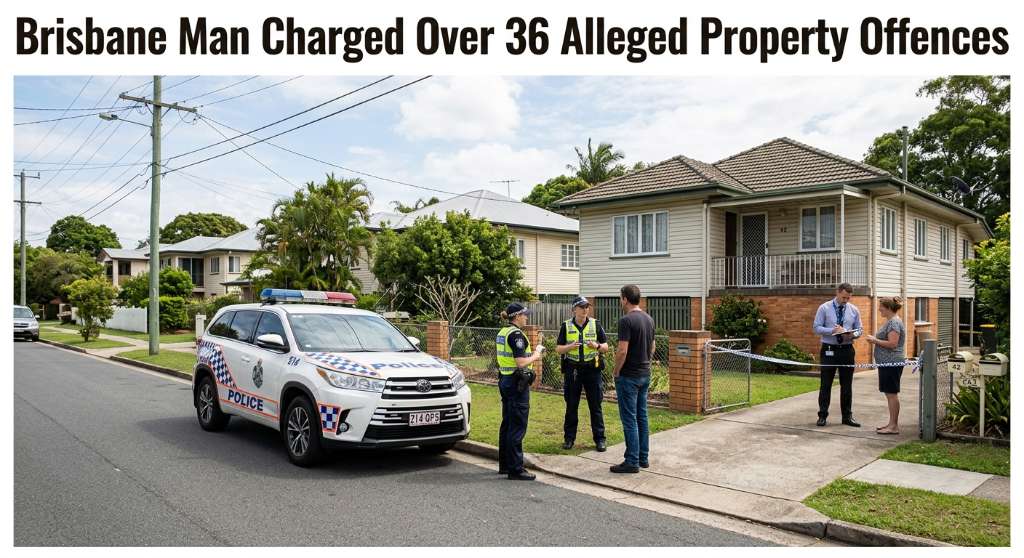
A 24-year-old Carina Heights man has been charged with 36 offences following an investigation into alleged break-ins, vehicle offences and other propert...
Cairns Regional Council has unanimously voted to seek $400,000 in Queensland Government funding for a program designed to connect local businesses with the region’s growing film...
An automated external defibrillator and memorial plaque have been installed at Ellery Creek Big Hole following the death of disability advocate Ellen Fr...
Queensland firefighters spent several hours monitoring a significant grass fire at Mary Kinross Park in Bargara, near Bundaberg, after the blaze broke out on Wednesday evening....