Safety note: Admin approval is an initial review, not a guarantee that every detail is correct. Check important or urgent claims with official sources and report anything inaccurate or unsafe.
Source and credit: Contributor's own report
Queensland Palestine-Israel hate speech laws face High Court challenge over free speech concerns - Brisbane, Queensland
Smart summary
A legal challenge has been launched against Queensland’s hate speech laws that restrict the public use of certain pro-Palestinian slogans, with activists arguing the legislation breaches constitutional protections for...
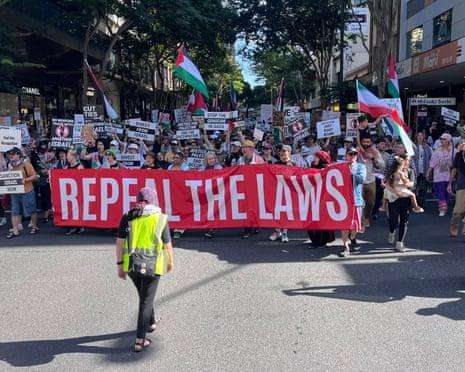
Queensland’s controversial hate speech laws have become the subject of a major High Court challenge, with pro-Palestinian activists arguing the legislation unfairly limits political expression and breaches Australia’s implied freedom of political communication.
The challenge centres on Queensland laws that prohibit the public use of phrases including “from the river to the sea” and “globalise the intifada” in circumstances where their use is considered to menace, harass or offend another person. The laws were introduced by the Queensland Government as part of broader measures aimed at addressing antisemitism and community safety concerns.
A group of protesters has taken the matter to the High Court, arguing the restrictions are unconstitutional and place an excessive burden on Australians’ ability to participate in political debate. The legal action claims the phrases can have different meanings depending on context and should not automatically be treated as hate speech.
Supporters of the Queensland legislation argue the laws are necessary to protect Jewish Queenslanders from intimidation and antisemitic abuse. The state government has defended the reforms, saying they are designed to prevent hateful conduct while still allowing legitimate political discussion.
The laws were passed following heightened community concerns about antisemitism, threats and tensions linked to the Israel-Gaza conflict. The Queensland Government said the reforms were intended to strengthen protections against hate and improve safety for communities affected by discrimination.
Critics of the legislation, including civil liberties groups and some Palestinian advocacy organisations, argue the wording is too broad and risks criminalising political opinions and peaceful protest. They say criticism of the Israeli government or expressions of support for Palestinian rights should remain protected forms of political communication.
The legal dispute will require the High Court to consider the balance between two competing principles: protecting communities from genuine hate and intimidation while preserving democratic freedoms of speech and political participation.
The Queensland laws include penalties for certain prohibited expressions when they meet the legal threshold. Authorities have argued that the restrictions apply only in harmful circumstances rather than banning all discussion about Israel, Palestine or the broader Middle East conflict.
The challenge is expected to attract national attention because it could influence how Australian states approach future hate speech legislation. Similar debates have emerged across the country about how governments should respond to rising antisemitism, Islamophobia and politically motivated hate while respecting freedom of expression.
Legal experts are watching the case closely because a High Court ruling could determine the limits of state-based restrictions on protest language and political slogans.
The court’s eventual decision will help clarify how far governments can go when regulating speech connected to controversial political movements, particularly during periods of heightened social tension.
Until the High Court delivers its decision, Queensland’s hate speech laws remain in operation, and police can continue enforcing the legislation according to its current wording.
PoliticalHateLawsQueenslandSpeech
Queensland’s controversial hate speech laws have become the subject of a major High Court challenge, with pro-Palestinian activists arguing the legislation unfairly limits political expression and breaches Australia’s implied freedom of political communication.
The challenge centres on Queensland laws that prohibit the public use of phrases including “from the river to the sea” and “globalise the intifada” in circumstances where their use is considered to menace, harass or offend another person. The laws were introduced by the Queensland Government as part of broader measures aimed at addressing antisemitism and community safety concerns.
A group of protesters has taken the matter to the High Court, arguing the restrictions are unconstitutional and place an excessive burden on Australians’ ability to participate in political debate. The legal action claims the phrases can have different meanings depending on context and should not automatically be treated as hate speech.
Supporters of the Queensland legislation argue the laws are necessary to protect Jewish Queenslanders from intimidation and antisemitic abuse. The state government has defended the reforms, saying they are designed to prevent hateful conduct while still allowing legitimate political discussion.
The laws were passed following heightened community concerns about antisemitism, threats and tensions linked to the Israel-Gaza conflict. The Queensland Government said the reforms were intended to strengthen protections against hate and improve safety for communities affected by discrimination.
Critics of the legislation, including civil liberties groups and some Palestinian advocacy organisations, argue the wording is too broad and risks criminalising political opinions and peaceful protest. They say criticism of the Israeli government or expressions of support for Palestinian rights should remain protected forms of political communication.
The legal dispute will require the High Court to consider the balance between two competing principles: protecting communities from genuine hate and intimidation while preserving democratic freedoms of speech and political participation.
The Queensland laws include penalties for certain prohibited expressions when they meet the legal threshold. Authorities have argued that the restrictions apply only in harmful circumstances rather than banning all discussion about Israel, Palestine or the broader Middle East conflict.
The challenge is expected to attract national attention because it could influence how Australian states approach future hate speech legislation. Similar debates have emerged across the country about how governments should respond to rising antisemitism, Islamophobia and politically motivated hate while respecting freedom of expression.
Legal experts are watching the case closely because a High Court ruling could determine the limits of state-based restrictions on protest language and political slogans.
The court’s eventual decision will help clarify how far governments can go when regulating speech connected to controversial political movements, particularly during periods of heightened social tension.
Until the High Court delivers its decision, Queensland’s hate speech laws remain in operation, and police can continue enforcing the legislation according to its current wording.
The Federal Government is preparing new measures targeting temporary visas, visa overstayers, international students and visa-hopping, while maintaining...
One Nation’s proposed major reduction in migration has triggered warnings that a sharp cut to population growth could weaken Australia’s economy and cre...
Queensland's emerging football prospects are coming together for a three-day Brisbane Lions State Academy showcase, giving young players an opportunity...
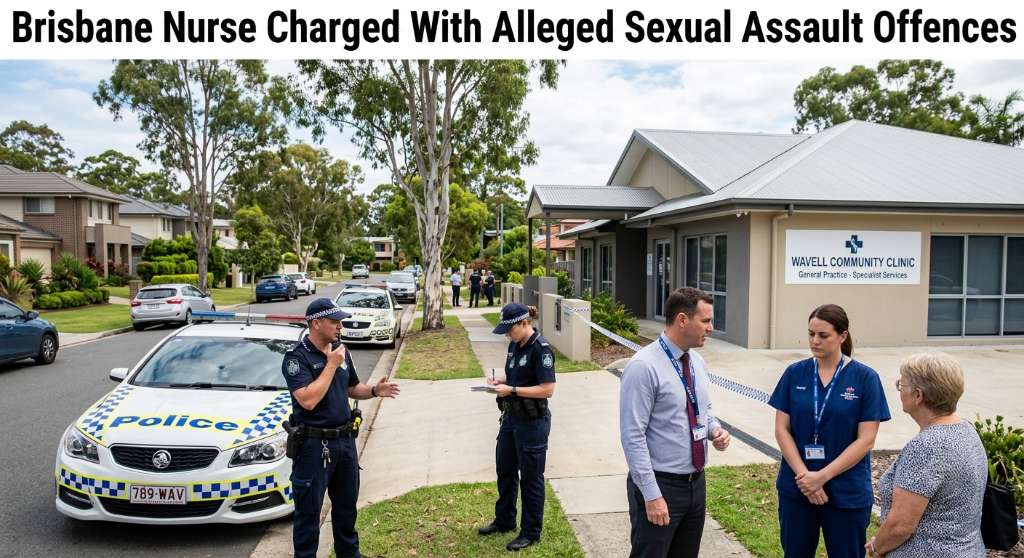
A Wavell Heights enrolled nurse has been charged with four counts of alleged sexual assault and one count of wilful exposure, with his professional regi...
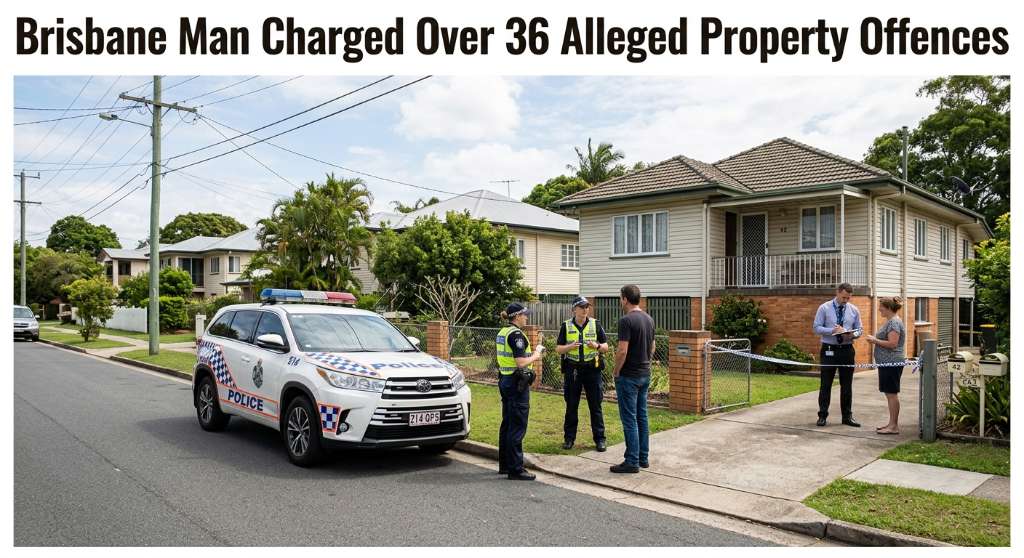
A 24-year-old Carina Heights man has been charged with 36 offences following an investigation into alleged break-ins, vehicle offences and other propert...
Cairns Regional Council has unanimously voted to seek $400,000 in Queensland Government funding for a program designed to connect local businesses with the region’s growing film...
An automated external defibrillator and memorial plaque have been installed at Ellery Creek Big Hole following the death of disability advocate Ellen Fr...
Queensland firefighters spent several hours monitoring a significant grass fire at Mary Kinross Park in Bargara, near Bundaberg, after the blaze broke out on Wednesday evening....