Safety note: Admin approval is an initial review, not a guarantee that every detail is correct. Check important or urgent claims with official sources and report anything inaccurate or unsafe.
Source and credit: Contributor's own report
Questions raised over Queensland Regional Reset youth program and facility arrangements - Brisbane, Queensland
Smart summary
A Queensland youth intervention program designed to redirect at-risk young people away from crime has faced questions about its facilities, operations and effectiveness as the government expands its early intervention...
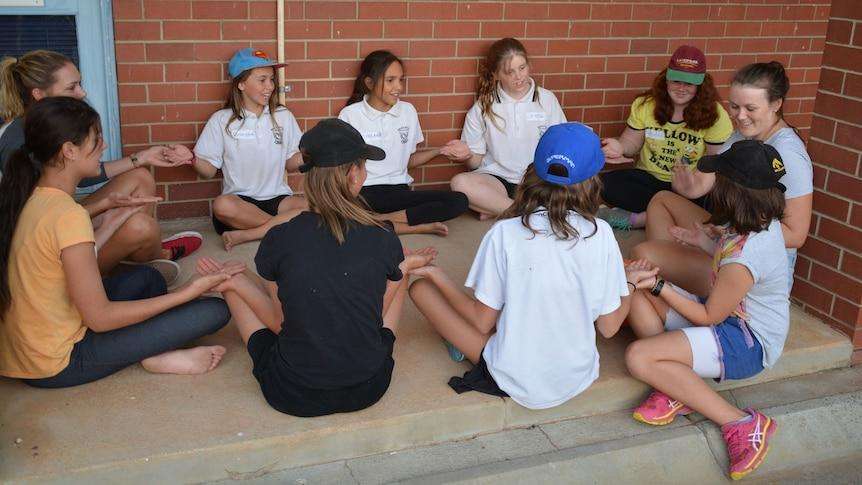
Queensland’s Regional Reset program, designed to support young people showing early signs of disengagement, antisocial behaviour or involvement in crime, is facing questions about how its facilities will operate and how success will be measured.
The program is part of the Queensland Government’s broader youth justice strategy, which focuses on early intervention, rehabilitation and reducing repeat offending. The initiative provides support for young people through short-stay residential camps, mentoring, education activities, wellbeing programs and family engagement.
Regional Reset is being delivered across nine Queensland regions, including Cairns, Townsville, Rockhampton, the Gold Coast–Logan area, Ipswich and West Moreton, Brisbane–Moreton Bay, Sunshine Coast, Bundaberg and Hervey Bay, and Mount Isa.
The program includes short-term “reset camps” where participants can take part in structured activities aimed at improving emotional, social and practical skills. These activities can include outdoor challenges, cultural learning, mentoring, education support, employment preparation and digital wellbeing programs.
Government officials have argued that early intervention is critical to preventing young people from entering long-term cycles of offending. They say the program provides an opportunity for young people to build confidence, reconnect with family and community, and develop pathways into education, training or employment.
However, questions have been raised about how facilities involved in the program will be managed, what standards will apply and how authorities will determine whether the initiative delivers meaningful outcomes.
Concerns have also focused on ensuring young participants receive appropriate supervision, professional support and culturally suitable services. Youth advocates have previously emphasised that programs targeting vulnerable young people require strong relationships, qualified staff and ongoing support after participants leave residential settings.
The Queensland Government has allocated significant funding towards early intervention and rehabilitation programs, with Regional Reset forming part of a wider investment aimed at improving community safety and reducing youth offending.
Supporters of the program say traditional punishment alone does not address the underlying causes of youth crime. They argue that providing mentoring, education opportunities and family support can help young people make positive changes before offending becomes more serious.
Critics, however, have called for clear accountability measures, including transparent reporting on participant numbers, long-term outcomes and whether the program reduces contact with the criminal justice system.
The discussion comes as Queensland communities continue debating the best approach to youth crime, balancing community safety with rehabilitation opportunities for young people.
Authorities have stated that Regional Reset is intended to complement stronger youth justice measures by providing early support before young people become entrenched in criminal behaviour.
As the program expands across Queensland, attention will remain on the quality of its facilities, the experiences of participants and whether it achieves its goal of creating safer communities.
ProgramYoungPeopleQueenslandSupport
Queensland’s Regional Reset program, designed to support young people showing early signs of disengagement, antisocial behaviour or involvement in crime, is facing questions about how its facilities will operate and how success will be measured.
The program is part of the Queensland Government’s broader youth justice strategy, which focuses on early intervention, rehabilitation and reducing repeat offending. The initiative provides support for young people through short-stay residential camps, mentoring, education activities, wellbeing programs and family engagement.
Regional Reset is being delivered across nine Queensland regions, including Cairns, Townsville, Rockhampton, the Gold Coast–Logan area, Ipswich and West Moreton, Brisbane–Moreton Bay, Sunshine Coast, Bundaberg and Hervey Bay, and Mount Isa.
The program includes short-term “reset camps” where participants can take part in structured activities aimed at improving emotional, social and practical skills. These activities can include outdoor challenges, cultural learning, mentoring, education support, employment preparation and digital wellbeing programs.
Government officials have argued that early intervention is critical to preventing young people from entering long-term cycles of offending. They say the program provides an opportunity for young people to build confidence, reconnect with family and community, and develop pathways into education, training or employment.
However, questions have been raised about how facilities involved in the program will be managed, what standards will apply and how authorities will determine whether the initiative delivers meaningful outcomes.
Concerns have also focused on ensuring young participants receive appropriate supervision, professional support and culturally suitable services. Youth advocates have previously emphasised that programs targeting vulnerable young people require strong relationships, qualified staff and ongoing support after participants leave residential settings.
The Queensland Government has allocated significant funding towards early intervention and rehabilitation programs, with Regional Reset forming part of a wider investment aimed at improving community safety and reducing youth offending.
Supporters of the program say traditional punishment alone does not address the underlying causes of youth crime. They argue that providing mentoring, education opportunities and family support can help young people make positive changes before offending becomes more serious.
Critics, however, have called for clear accountability measures, including transparent reporting on participant numbers, long-term outcomes and whether the program reduces contact with the criminal justice system.
The discussion comes as Queensland communities continue debating the best approach to youth crime, balancing community safety with rehabilitation opportunities for young people.
Authorities have stated that Regional Reset is intended to complement stronger youth justice measures by providing early support before young people become entrenched in criminal behaviour.
As the program expands across Queensland, attention will remain on the quality of its facilities, the experiences of participants and whether it achieves its goal of creating safer communities.
The Federal Government is preparing new measures targeting temporary visas, visa overstayers, international students and visa-hopping, while maintaining...
One Nation’s proposed major reduction in migration has triggered warnings that a sharp cut to population growth could weaken Australia’s economy and cre...
Queensland's emerging football prospects are coming together for a three-day Brisbane Lions State Academy showcase, giving young players an opportunity...
A Wavell Heights enrolled nurse has been charged with four counts of alleged sexual assault and one count of wilful exposure, with his professional regi...
A 24-year-old Carina Heights man has been charged with 36 offences following an investigation into alleged break-ins, vehicle offences and other propert...
Cairns Regional Council has unanimously voted to seek $400,000 in Queensland Government funding for a program designed to connect local businesses with the region’s growing film...
An automated external defibrillator and memorial plaque have been installed at Ellery Creek Big Hole following the death of disability advocate Ellen Fr...
Queensland firefighters spent several hours monitoring a significant grass fire at Mary Kinross Park in Bargara, near Bundaberg, after the blaze broke out on Wednesday evening....