Safety note: Admin approval is an initial review, not a guarantee that every detail is correct. Check important or urgent claims with official sources and report anything inaccurate or unsafe.
Source and credit: Contributor's own report
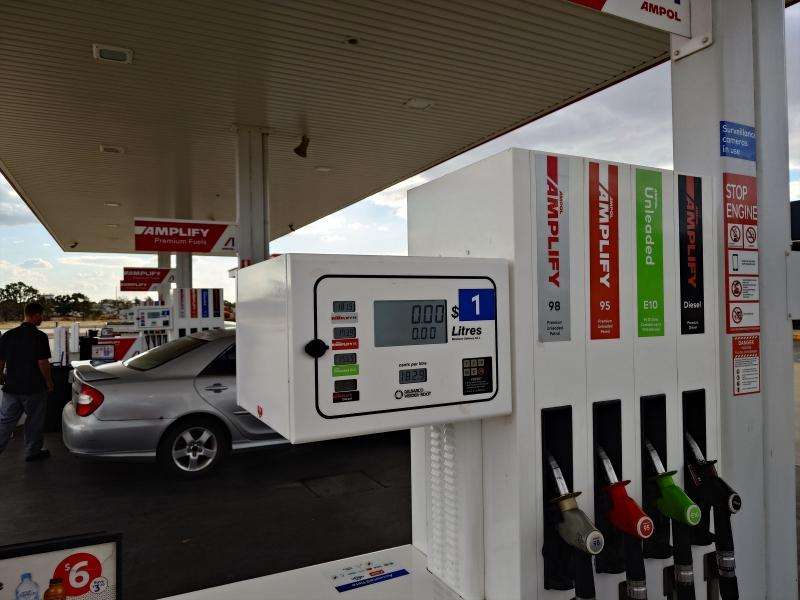
RACQ Warns Fuel Retailers May Be Reviving Queensland's Unfair Petrol Price Cycle - Brisbane, QLD
Smart summary
The RACQ says some service stations across south-east Queensland have sharply increased petrol prices, raising concerns that the region's long-running fuel price cycle is making a return.
The Royal Automobile Club of Queensland (RACQ) has warned motorists that the lengthy petrol price cycle, which previously led to significant price fluctuations across south-east Queensland, may be returning after several fuel retailers lifted unleaded petrol prices by up to 30 cents per litre over the past week.
According to the RACQ's latest quarterly fuel report, while the average price of regular unleaded petrol in Brisbane remained around 172.1 cents per litre, about 10 per cent of service stations had already increased prices to almost $2.00 per litre. RACQ economist Dr Ian Jeffreys said these sudden increases resemble the beginning of the traditional fuel price cycle that motorists had experienced for years.
Before early 2026, south-east Queensland typically experienced a six- to eight-week fuel cycle. During this period, petrol prices at individual service stations would jump by 50 to 60 cents per litre before gradually falling over several weeks. RACQ says the cycle largely disappeared earlier this year, resulting in lower average retail margins and more consistent fuel prices for consumers.
Dr Jeffreys believes some retailers are now attempting to reintroduce that pricing pattern by increasing prices at selected service stations to see whether competitors follow. If rival stations do not match the higher prices, retailers may reduce prices again to remain competitive. He described the pricing behaviour as unfair because many motorists end up paying significantly more unless they actively compare fuel prices.
The RACQ report found indicative retail margins for unleaded petrol averaged 10.5 cents per litre during the June quarter, compared with 21.2 cents per litre in the previous quarter. The organisation said these were the lowest retail margins recorded in south-east Queensland since 2019, benefiting consumers through lower and more stable prices.
Industry representatives disagree with RACQ's concerns. The Australasian Convenience and Petroleum Marketers Association (ACAPMA) said fuel price cycles are a normal feature of a competitive retail market. Chief executive Rowan Lee argued that stations raising prices too aggressively risk losing customers because motorists can easily compare prices using fuel price apps and choose cheaper alternatives nearby.
The debate comes as motorists continue dealing with broader fuel cost pressures. The federal government's temporary fuel excise reduction has been gradually phased out, adding upward pressure to petrol prices nationwide. RACQ says this makes transparent and competitive pricing even more important for Queensland drivers.
RACQ has renewed calls for Queensland to introduce legislation limiting daily petrol price increases, similar to proposals previously discussed by the state government. The organisation believes capping price rises at 5 cents per litre per day would prevent extreme price spikes and encourage healthier competition between retailers.
Motorists are being encouraged to monitor fuel prices regularly, use comparison apps and fill up before major price increases occur. RACQ says informed consumers remain the most effective defence against sudden price hikes while discussions continue over possible regulatory reforms.
PricesFuelPriceRacqPetrol
The Royal Automobile Club of Queensland (RACQ) has warned motorists that the lengthy petrol price cycle, which previously led to significant price fluctuations across south-east Queensland, may be returning after several fuel retailers lifted unleaded petrol prices by up to 30 cents per litre over the past week.
According to the RACQ's latest quarterly fuel report, while the average price of regular unleaded petrol in Brisbane remained around 172.1 cents per litre, about 10 per cent of service stations had already increased prices to almost $2.00 per litre. RACQ economist Dr Ian Jeffreys said these sudden increases resemble the beginning of the traditional fuel price cycle that motorists had experienced for years.
Before early 2026, south-east Queensland typically experienced a six- to eight-week fuel cycle. During this period, petrol prices at individual service stations would jump by 50 to 60 cents per litre before gradually falling over several weeks. RACQ says the cycle largely disappeared earlier this year, resulting in lower average retail margins and more consistent fuel prices for consumers.
Dr Jeffreys believes some retailers are now attempting to reintroduce that pricing pattern by increasing prices at selected service stations to see whether competitors follow. If rival stations do not match the higher prices, retailers may reduce prices again to remain competitive. He described the pricing behaviour as unfair because many motorists end up paying significantly more unless they actively compare fuel prices.
The RACQ report found indicative retail margins for unleaded petrol averaged 10.5 cents per litre during the June quarter, compared with 21.2 cents per litre in the previous quarter. The organisation said these were the lowest retail margins recorded in south-east Queensland since 2019, benefiting consumers through lower and more stable prices.
Industry representatives disagree with RACQ's concerns. The Australasian Convenience and Petroleum Marketers Association (ACAPMA) said fuel price cycles are a normal feature of a competitive retail market. Chief executive Rowan Lee argued that stations raising prices too aggressively risk losing customers because motorists can easily compare prices using fuel price apps and choose cheaper alternatives nearby.
The debate comes as motorists continue dealing with broader fuel cost pressures. The federal government's temporary fuel excise reduction has been gradually phased out, adding upward pressure to petrol prices nationwide. RACQ says this makes transparent and competitive pricing even more important for Queensland drivers.
RACQ has renewed calls for Queensland to introduce legislation limiting daily petrol price increases, similar to proposals previously discussed by the state government. The organisation believes capping price rises at 5 cents per litre per day would prevent extreme price spikes and encourage healthier competition between retailers.
Motorists are being encouraged to monitor fuel prices regularly, use comparison apps and fill up before major price increases occur. RACQ says informed consumers remain the most effective defence against sudden price hikes while discussions continue over possible regulatory reforms.
Cairns Regional Council has unanimously voted to seek $400,000 in Queensland Government funding for a program designed to connect local businesses with the region’s growing film...
Albury New South Wales · Business News · 17 Sep 2026
An Australian artificial intelligence company has purchased the former Visy paper mill site at Ettamogah, north of Albury, in a significant local business The company, Sharon AI...
A new multi-million-dollar poultry-processing facility has officially opened near Tamworth, bringing major investment and new employment opportunities t...
Queensland's emerging football prospects are coming together for a three-day Brisbane Lions State Academy showcase, giving young players an opportunity...
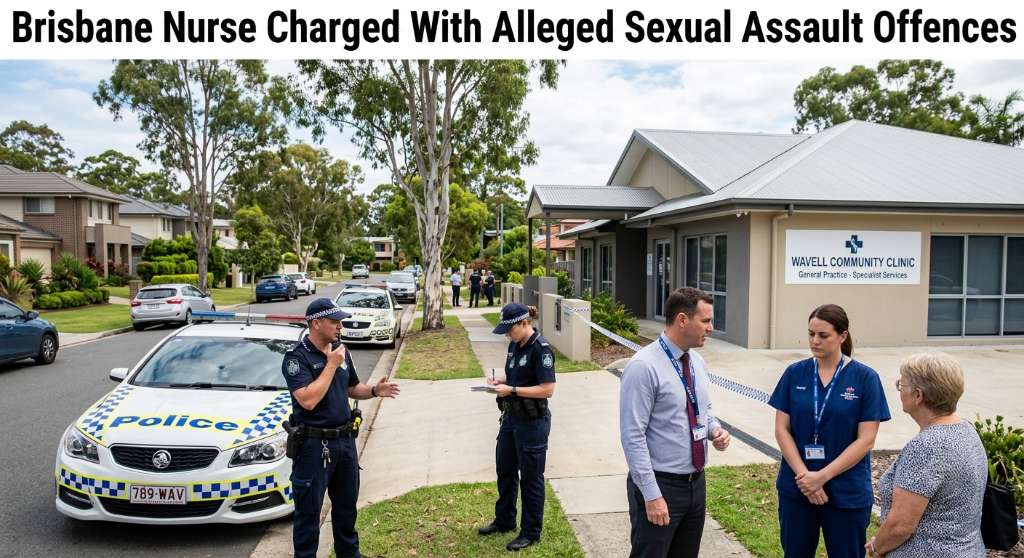
A Wavell Heights enrolled nurse has been charged with four counts of alleged sexual assault and one count of wilful exposure, with his professional regi...
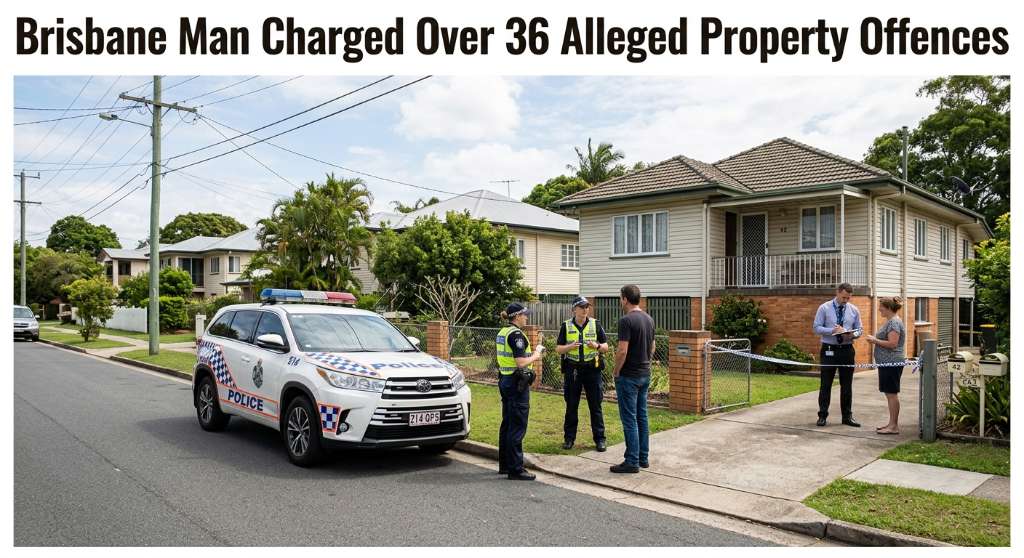
A 24-year-old Carina Heights man has been charged with 36 offences following an investigation into alleged break-ins, vehicle offences and other propert...
Cairns Regional Council has unanimously voted to seek $400,000 in Queensland Government funding for a program designed to connect local businesses with the region’s growing film...
An automated external defibrillator and memorial plaque have been installed at Ellery Creek Big Hole following the death of disability advocate Ellen Fr...
Queensland firefighters spent several hours monitoring a significant grass fire at Mary Kinross Park in Bargara, near Bundaberg, after the blaze broke out on Wednesday evening....