Safety note: Admin approval is an initial review, not a guarantee that every detail is correct. Check important or urgent claims with official sources and report anything inaccurate or unsafe.
Source and credit: Contributor's own report
Ramularia leaf spot threatens Queensland cotton crops as growers urged to monitor disease - Toowoomba, QLD
Smart summary
Queensland cotton growers are being warned to remain alert for Ramularia leaf spot, a fungal disease that can reduce crop health and impact yields if not detected and managed early.
Queensland cotton growers are facing renewed concerns about the impact of Ramularia leaf spot, a fungal disease that can affect cotton plants and create challenges for farmers during the growing season.
Agricultural experts are urging growers to regularly monitor their crops for early signs of infection and take appropriate management steps to reduce potential damage.
Ramularia leaf spot is caused by a fungus that affects cotton leaves, reducing the plant’s ability to maintain healthy growth. In severe cases, the disease can lead to premature leaf loss, which may affect cotton development and ultimately reduce harvest outcomes.
The warning comes as Queensland’s cotton industry continues to manage a range of challenges, including weather conditions, changing disease pressures, input costs and the need to maintain sustainable farming practices.
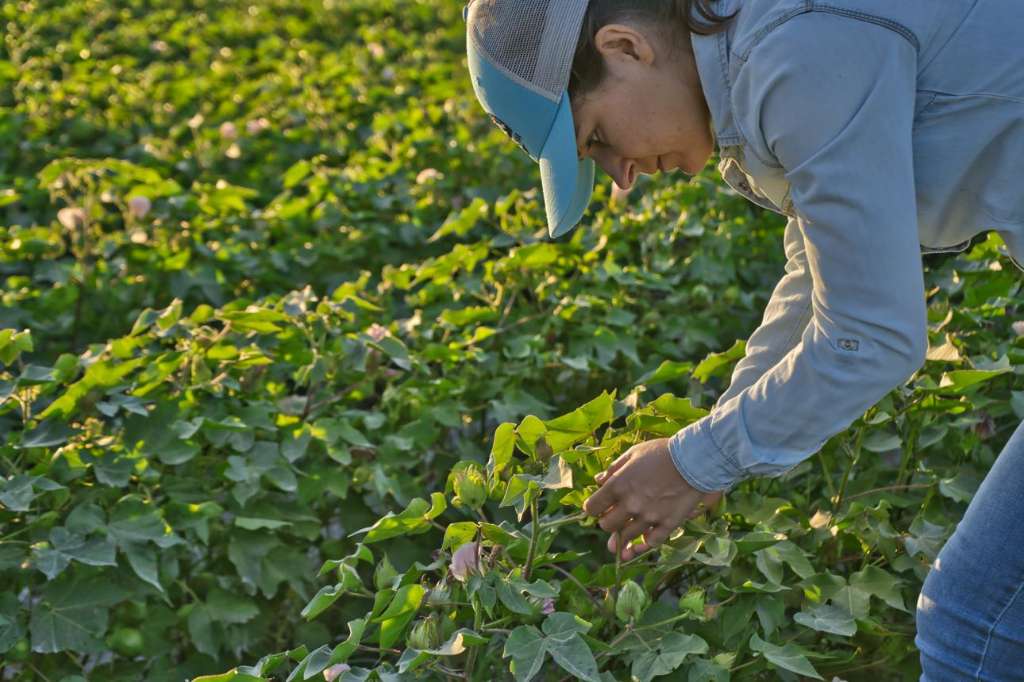
Farmers are being encouraged to inspect fields regularly and look for symptoms such as small spots appearing on leaves, which can expand as the disease progresses. Early detection is considered one of the most important factors in limiting the impact of fungal diseases in agricultural crops.
Cotton growers use a combination of strategies to manage Ramularia leaf spot, including crop monitoring, selecting appropriate varieties, maintaining good crop health and applying fungicide treatments when necessary.
Agricultural specialists say timing is critical when managing fungal diseases. If disease pressure increases and treatment is delayed, plants may suffer greater damage that becomes more difficult to control.
Queensland’s cotton industry is an important contributor to regional economies, supporting farmers, agricultural workers, transport operators and local businesses. Protecting crop productivity is therefore important not only for individual growers but also for communities that rely on agriculture.
The disease risk can vary depending on seasonal conditions. Warm and humid environments can create conditions where fungal diseases spread more easily, making monitoring particularly important during favourable weather periods.
Researchers and agricultural advisers continue working with growers to improve disease forecasting, develop better management techniques and reduce the long-term impact of crop diseases.
The cotton sector has increasingly focused on integrated disease management approaches, combining scientific research with practical farming experience to protect crops while reducing unnecessary chemical use.
Growers are also encouraged to share information about disease outbreaks with agricultural networks so potential risks can be identified earlier across farming regions.
Queensland remains one of Australia's major cotton-producing areas, with farms located throughout regional areas including the Darling Downs, Central Queensland and other agricultural regions.
Industry representatives say maintaining healthy crops requires cooperation between farmers, researchers and government agricultural services. Monitoring emerging disease threats such as Ramularia leaf spot will remain an important part of protecting Australia's cotton industry.
As the season progresses, growers will continue assessing crop conditions and adapting management practices to ensure the best possible production outcomes.
DiseaseCottonAgriculturalGrowersLeaf
Queensland cotton growers are facing renewed concerns about the impact of Ramularia leaf spot, a fungal disease that can affect cotton plants and create challenges for farmers during the growing season.
Agricultural experts are urging growers to regularly monitor their crops for early signs of infection and take appropriate management steps to reduce potential damage.
Ramularia leaf spot is caused by a fungus that affects cotton leaves, reducing the plant’s ability to maintain healthy growth. In severe cases, the disease can lead to premature leaf loss, which may affect cotton development and ultimately reduce harvest outcomes.
The warning comes as Queensland’s cotton industry continues to manage a range of challenges, including weather conditions, changing disease pressures, input costs and the need to maintain sustainable farming practices.
Farmers are being encouraged to inspect fields regularly and look for symptoms such as small spots appearing on leaves, which can expand as the disease progresses. Early detection is considered one of the most important factors in limiting the impact of fungal diseases in agricultural crops.
Cotton growers use a combination of strategies to manage Ramularia leaf spot, including crop monitoring, selecting appropriate varieties, maintaining good crop health and applying fungicide treatments when necessary.
Agricultural specialists say timing is critical when managing fungal diseases. If disease pressure increases and treatment is delayed, plants may suffer greater damage that becomes more difficult to control.
Queensland’s cotton industry is an important contributor to regional economies, supporting farmers, agricultural workers, transport operators and local businesses. Protecting crop productivity is therefore important not only for individual growers but also for communities that rely on agriculture.
The disease risk can vary depending on seasonal conditions. Warm and humid environments can create conditions where fungal diseases spread more easily, making monitoring particularly important during favourable weather periods.
Researchers and agricultural advisers continue working with growers to improve disease forecasting, develop better management techniques and reduce the long-term impact of crop diseases.
The cotton sector has increasingly focused on integrated disease management approaches, combining scientific research with practical farming experience to protect crops while reducing unnecessary chemical use.
Growers are also encouraged to share information about disease outbreaks with agricultural networks so potential risks can be identified earlier across farming regions.
Queensland remains one of Australia's major cotton-producing areas, with farms located throughout regional areas including the Darling Downs, Central Queensland and other agricultural regions.
Industry representatives say maintaining healthy crops requires cooperation between farmers, researchers and government agricultural services. Monitoring emerging disease threats such as Ramularia leaf spot will remain an important part of protecting Australia's cotton industry.
As the season progresses, growers will continue assessing crop conditions and adapting management practices to ensure the best possible production outcomes.
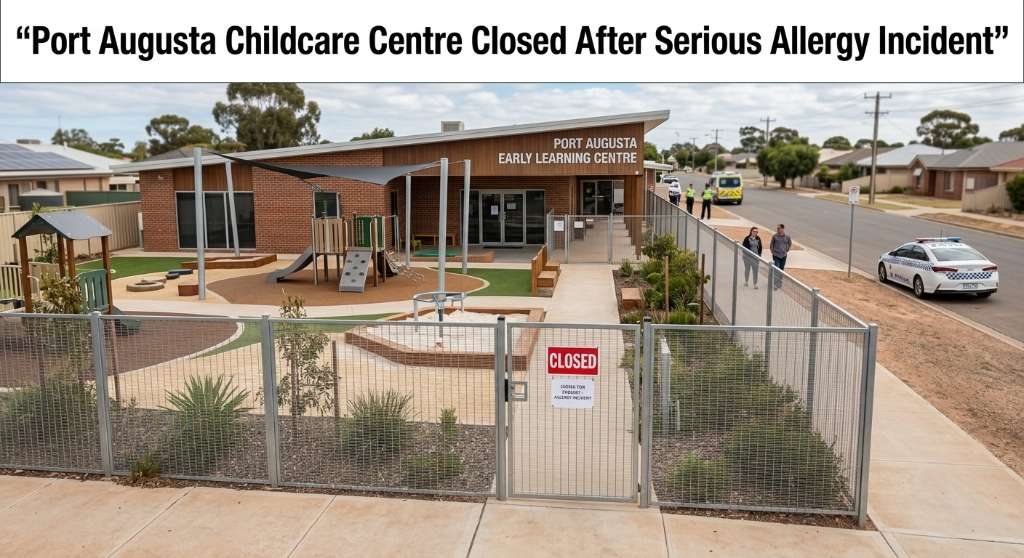
An Edge Early Learning centre in Port Augusta has been ordered to close for two weeks after a child with allergies was hospitalised after being given fo...
The statewide scheme allows eligible renters to transfer their existing bond directly to a new rental property instead of paying a second bond upfront.
Global diesel shortages and disrupted shipping routes are pushing up fuel costs and creating growing risks for Australia’s farmers, miners and wider eco...
Central Coast New South Wales · General News · 15 Sep 2026
A teenager accused of negligent driving following a fatal crash on the NSW Central Coast has been refused bail in court today, Tuesday, September 15, 2026. The case follows a se...
Queensland's emerging football prospects are coming together for a three-day Brisbane Lions State Academy showcase, giving young players an opportunity...
A Wavell Heights enrolled nurse has been charged with four counts of alleged sexual assault and one count of wilful exposure, with his professional regi...
A 24-year-old Carina Heights man has been charged with 36 offences following an investigation into alleged break-ins, vehicle offences and other propert...
Cairns Regional Council has unanimously voted to seek $400,000 in Queensland Government funding for a program designed to connect local businesses with the region’s growing film...
An automated external defibrillator and memorial plaque have been installed at Ellery Creek Big Hole following the death of disability advocate Ellen Fr...
Queensland firefighters spent several hours monitoring a significant grass fire at Mary Kinross Park in Bargara, near Bundaberg, after the blaze broke out on Wednesday evening....