Safety note: Admin approval is an initial review, not a guarantee that every detail is correct. Check important or urgent claims with official sources and report anything inaccurate or unsafe.
Source and credit: Contributor's own report
Reports of Sick and Dead Birds Raise Avian Flu Concerns in Western Australia - Perth, WA
Smart summary
Wildlife authorities are investigating reports of sick and dead birds across parts of Western Australia as concerns grow about the potential spread of avian influenza, prompting renewed calls for public vigilance.
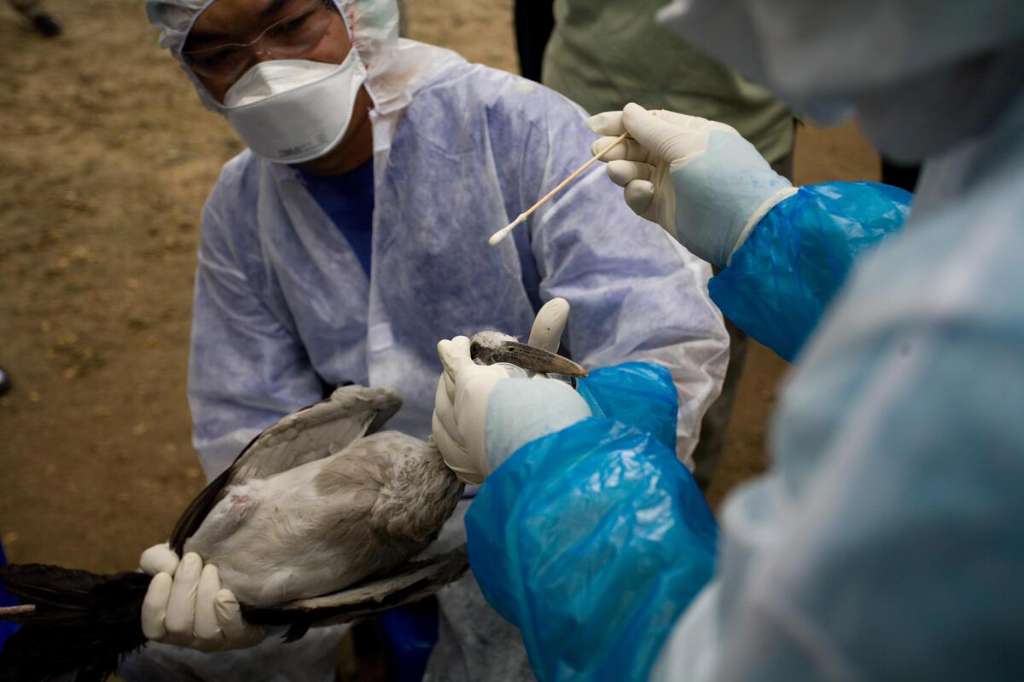
Authorities in Western Australia are monitoring reports of sick and dead birds amid growing concern about avian influenza, commonly known as bird flu. The reports have prompted increased surveillance efforts and public warnings as officials work to determine whether the incidents are linked to the highly contagious disease.
Avian influenza is a viral infection that primarily affects birds, particularly wild waterfowl and poultry. While many strains cause mild illness, some highly pathogenic variants can lead to significant mortality events in bird populations and pose major risks to the poultry industry.
Wildlife carers, birdwatchers and members of the public have recently reported finding birds displaying symptoms such as lethargy, difficulty moving, neurological problems and unexplained deaths. Authorities are investigating the reports and conducting testing where appropriate to determine the cause.
Western Australia has remained on alert following outbreaks of avian influenza detected elsewhere in Australia and overseas. Biosecurity agencies have been working closely with wildlife experts, veterinarians and poultry producers to monitor bird populations and prepare response plans should a significant outbreak occur.
Officials have emphasised that members of the public should avoid handling sick or dead birds unless specifically instructed by authorities. People who encounter affected wildlife are encouraged to report sightings through the appropriate government reporting channels so trained personnel can investigate safely.
The concern extends beyond wildlife conservation. An outbreak among commercial poultry operations could have serious economic consequences for farmers and food producers. Previous outbreaks internationally have resulted in large-scale culling programs, trade disruptions and supply chain impacts.
Experts note that migratory birds can play a role in spreading avian influenza viruses across regions. Australia’s extensive network of wetlands and coastal habitats attracts large numbers of migratory species each year, making surveillance efforts particularly important.
Health authorities continue to stress that the risk to the general public remains low. Human infections are rare and typically involve close contact with infected birds or contaminated environments. Nevertheless, biosecurity officials encourage people to follow hygiene precautions and avoid direct contact with sick wildlife.
Bird owners and poultry producers have also been urged to maintain strict biosecurity measures. These include limiting contact between domestic birds and wild bird populations, monitoring flocks for signs of illness and promptly reporting unusual deaths or symptoms.
The investigation comes as governments and animal health agencies worldwide remain on high alert for emerging strains of avian influenza. Surveillance programs are considered a critical tool in detecting outbreaks early and minimising their impact on wildlife, agriculture and public health.
Authorities are expected to continue testing and monitoring activities in affected areas over the coming weeks. Further information will be released if investigations identify any confirmed cases of avian influenza.
BirdsAvianInfluenzaWildlifeAuthorities
Authorities in Western Australia are monitoring reports of sick and dead birds amid growing concern about avian influenza, commonly known as bird flu. The reports have prompted increased surveillance efforts and public warnings as officials work to determine whether the incidents are linked to the highly contagious disease.
Avian influenza is a viral infection that primarily affects birds, particularly wild waterfowl and poultry. While many strains cause mild illness, some highly pathogenic variants can lead to significant mortality events in bird populations and pose major risks to the poultry industry.
Wildlife carers, birdwatchers and members of the public have recently reported finding birds displaying symptoms such as lethargy, difficulty moving, neurological problems and unexplained deaths. Authorities are investigating the reports and conducting testing where appropriate to determine the cause.
Western Australia has remained on alert following outbreaks of avian influenza detected elsewhere in Australia and overseas. Biosecurity agencies have been working closely with wildlife experts, veterinarians and poultry producers to monitor bird populations and prepare response plans should a significant outbreak occur.
Officials have emphasised that members of the public should avoid handling sick or dead birds unless specifically instructed by authorities. People who encounter affected wildlife are encouraged to report sightings through the appropriate government reporting channels so trained personnel can investigate safely.
The concern extends beyond wildlife conservation. An outbreak among commercial poultry operations could have serious economic consequences for farmers and food producers. Previous outbreaks internationally have resulted in large-scale culling programs, trade disruptions and supply chain impacts.
Experts note that migratory birds can play a role in spreading avian influenza viruses across regions. Australia’s extensive network of wetlands and coastal habitats attracts large numbers of migratory species each year, making surveillance efforts particularly important.
Health authorities continue to stress that the risk to the general public remains low. Human infections are rare and typically involve close contact with infected birds or contaminated environments. Nevertheless, biosecurity officials encourage people to follow hygiene precautions and avoid direct contact with sick wildlife.
Bird owners and poultry producers have also been urged to maintain strict biosecurity measures. These include limiting contact between domestic birds and wild bird populations, monitoring flocks for signs of illness and promptly reporting unusual deaths or symptoms.
The investigation comes as governments and animal health agencies worldwide remain on high alert for emerging strains of avian influenza. Surveillance programs are considered a critical tool in detecting outbreaks early and minimising their impact on wildlife, agriculture and public health.
Authorities are expected to continue testing and monitoring activities in affected areas over the coming weeks. Further information will be released if investigations identify any confirmed cases of avian influenza.
A 43-year-old man has been charged following a fire at a funeral home in Warragul, Victoria, on Wednesday evening, 23 September 2026. Police allege the man walked along Howitt S...
A 14-year-old boy from Maryborough has been charged after Queensland police alleged he was preparing to cause death or grievous bodily harm and possesse...
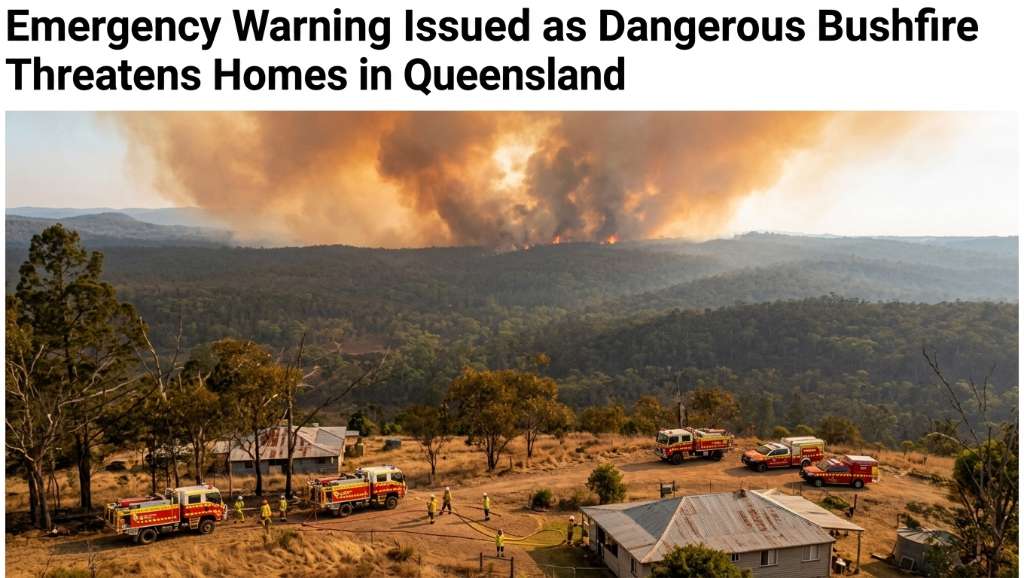
Residents in Teelah, north of Blackbutt, have been urged to seek shelter as a dangerous bushfire burns near homes in Queensland's South Burnett region.
Australian tennis player Talia Gibson has reached her first WTA Tour-level singles final at the Singapore Open after Tatiana Prozorova withdrew from the...
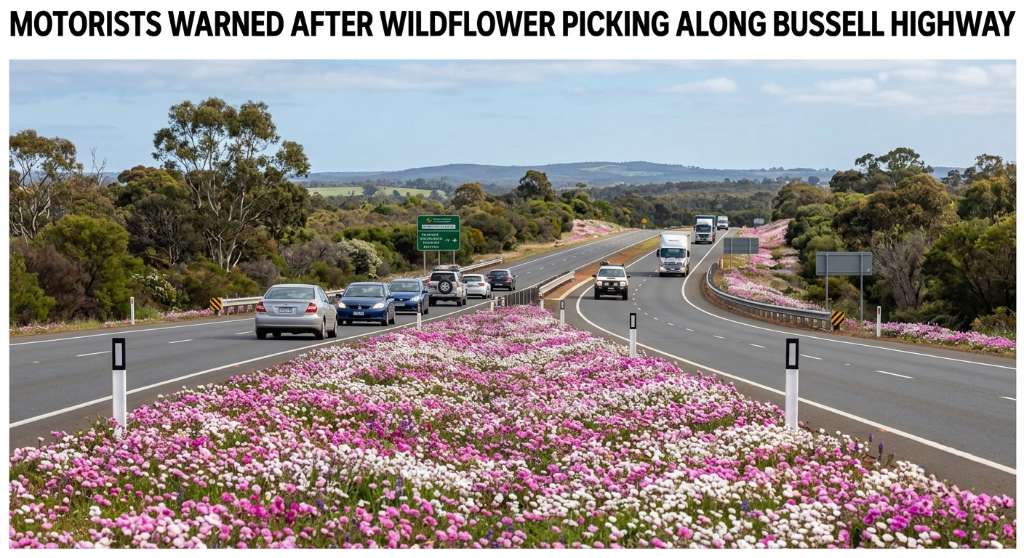
Drivers stopping to pick or photograph colourful everlasting wildflowers along Western Australia’s Bussell Highway are being warned about serious road-s...
Three separate earthquakes were recorded near Port Hedland in Western Australia over the weekend, with more than 100 reports submitted to Geoscience Aus...
A growing number of young Australians are taking up birdwatching, bringing fresh interest to the Broome Bird Observatory and the migratory shorebirds of...
A Sydney patient says he spent 23 hours waiting on a chair at Westmead Hospital's emergency department, while new figures show continuing pressure on th...
Three people, including a 14-year-old girl, have died following a multi-vehicle collision on the Western Highway near Ledcourt in Victoria's north-west.
A 50-year-old man has died after being struck by a vehicle in Fernvale, west of Brisbane, with police launching a homicide investigation and arresting a...
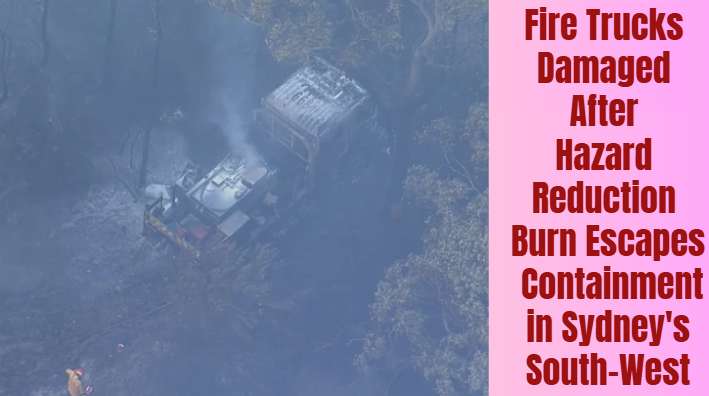
Multiple Rural Fire Service trucks were damaged after a planned hazard reduction burn at Wedderburn in Sydney's south-west escaped containment on Saturday.