Safety note: Admin approval is an initial review, not a guarantee that every detail is correct. Check important or urgent claims with official sources and report anything inaccurate or unsafe.
Source and credit: Contributor's own report
Royal Commission hears extremist groups share antisemitic hatred despite ideological differences - Canberra, ACT
Smart summary
Australia's Royal Commission on Antisemitism and Social Cohesion has heard evidence that antisemitic hatred is being spread by groups from across the ideological spectrum, while Liberal MP Julian Leeser gave emotional...
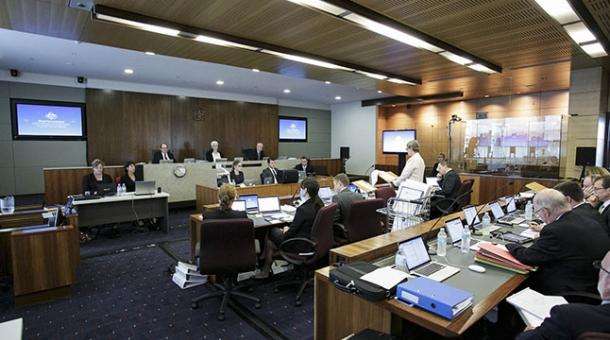
Australia's Royal Commission on Antisemitism and Social Cohesion has heard evidence that antisemitic hatred is being promoted by extremist groups with very different political ideologies, raising concerns about the growing complexity of combating hate in Australia.
During the latest public hearing, intelligence analyst and community representatives told the commission that antisemitic rhetoric is emerging from multiple sources, including elements of the far right, radical Islamist groups and some extremist factions on the far left. Witnesses said that while these groups often disagree on most political issues, they can share or amplify antisemitic narratives.
Liberal MP Julian Leeser delivered emotional evidence describing the personal impact rising antisemitism has had on his family. He told the commission that his young son became frightened about attending Jewish community events following the Bondi terrorist attack, saying the experience changed his family's sense of safety.
Leeser also described repeated incidents of antisemitic abuse directed at him, including political campaign material being defaced with swastikas and other hateful symbols. He told the commission these experiences did not reflect the Australia he had known throughout his life.
The commission also heard evidence from Tahli Blicblau, chief executive of the Dor Foundation, who said extremist movements with different ideologies can converge around hostility toward Jewish communities. She recommended stronger cooperation between law enforcement agencies and Jewish community organisations to improve threat identification and public safety.
Witnesses acknowledged that most Australians reject hatred and discrimination, but warned that online platforms continue to allow extremist content to spread rapidly. Previous commission hearings have examined how coded language, memes and conspiracy theories can be used to evade moderation while encouraging antisemitic beliefs.
The Royal Commission was established following the Bondi terrorist attack to investigate antisemitism, social cohesion and the effectiveness of government, policing and institutional responses. It has received thousands of public submissions and is expected to deliver its final report later this year.
The hearings have also explored broader questions about online radicalisation, community safety, education and the responsibilities of governments, technology companies and public institutions in responding to hate speech and extremist activity. Witnesses have emphasised the importance of protecting freedom of expression while ensuring communities are protected from threats and unlawful hatred.
Commissioner Virginia Bell is expected to consider the evidence presented during the hearings before making recommendations aimed at strengthening social cohesion, improving responses to antisemitism and supporting community safety across Australia.
The inquiry continues to hear evidence from community leaders, experts, government agencies and affected individuals as it examines the causes of antisemitism and measures that may help reduce hate-motivated incidents in the future.
Australia's Royal Commission on Antisemitism and Social Cohesion has heard evidence that antisemitic hatred is being promoted by extremist groups with very different political ideologies, raising concerns about the growing complexity of combating hate in Australia.
During the latest public hearing, intelligence analyst and community representatives told the commission that antisemitic rhetoric is emerging from multiple sources, including elements of the far right, radical Islamist groups and some extremist factions on the far left. Witnesses said that while these groups often disagree on most political issues, they can share or amplify antisemitic narratives.
Liberal MP Julian Leeser delivered emotional evidence describing the personal impact rising antisemitism has had on his family. He told the commission that his young son became frightened about attending Jewish community events following the Bondi terrorist attack, saying the experience changed his family's sense of safety.
Leeser also described repeated incidents of antisemitic abuse directed at him, including political campaign material being defaced with swastikas and other hateful symbols. He told the commission these experiences did not reflect the Australia he had known throughout his life.
The commission also heard evidence from Tahli Blicblau, chief executive of the Dor Foundation, who said extremist movements with different ideologies can converge around hostility toward Jewish communities. She recommended stronger cooperation between law enforcement agencies and Jewish community organisations to improve threat identification and public safety.
Witnesses acknowledged that most Australians reject hatred and discrimination, but warned that online platforms continue to allow extremist content to spread rapidly. Previous commission hearings have examined how coded language, memes and conspiracy theories can be used to evade moderation while encouraging antisemitic beliefs.
The Royal Commission was established following the Bondi terrorist attack to investigate antisemitism, social cohesion and the effectiveness of government, policing and institutional responses. It has received thousands of public submissions and is expected to deliver its final report later this year.
The hearings have also explored broader questions about online radicalisation, community safety, education and the responsibilities of governments, technology companies and public institutions in responding to hate speech and extremist activity. Witnesses have emphasised the importance of protecting freedom of expression while ensuring communities are protected from threats and unlawful hatred.
Commissioner Virginia Bell is expected to consider the evidence presented during the hearings before making recommendations aimed at strengthening social cohesion, improving responses to antisemitism and supporting community safety across Australia.
The inquiry continues to hear evidence from community leaders, experts, government agencies and affected individuals as it examines the causes of antisemitism and measures that may help reduce hate-motivated incidents in the future.
The Federal Government is preparing new measures targeting temporary visas, visa overstayers, international students and visa-hopping, while maintaining...
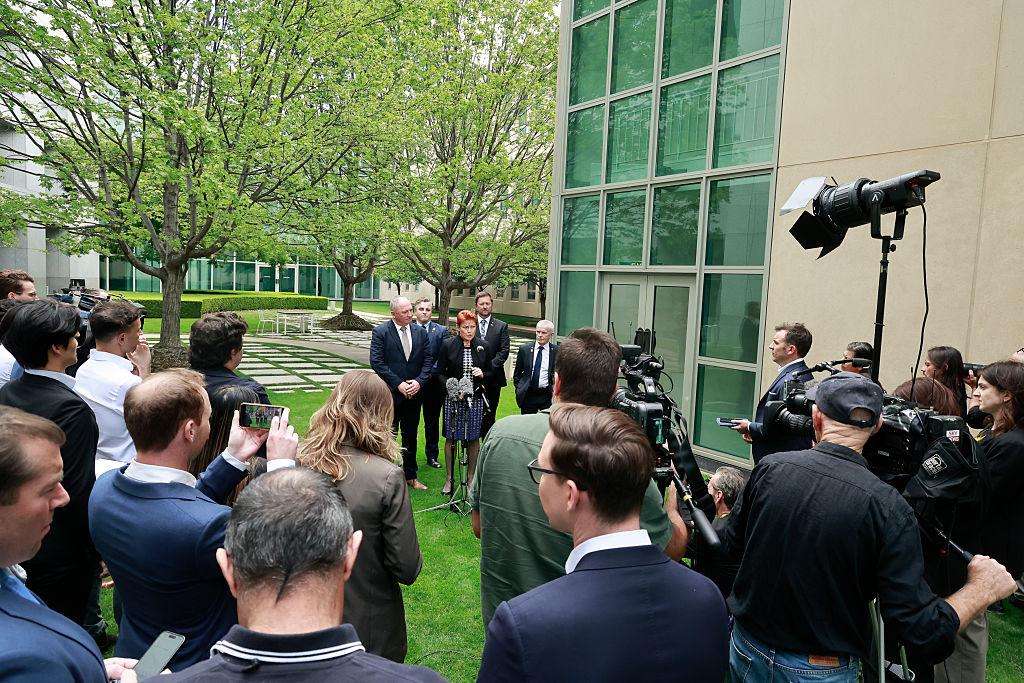
One Nation’s proposed major reduction in migration has triggered warnings that a sharp cut to population growth could weaken Australia’s economy and cre...
The Federal Government is preparing new measures targeting temporary visas, visa overstayers, international students and visa-hopping, while maintaining...
One Nation’s proposed major reduction in migration has triggered warnings that a sharp cut to population growth could weaken Australia’s economy and cre...
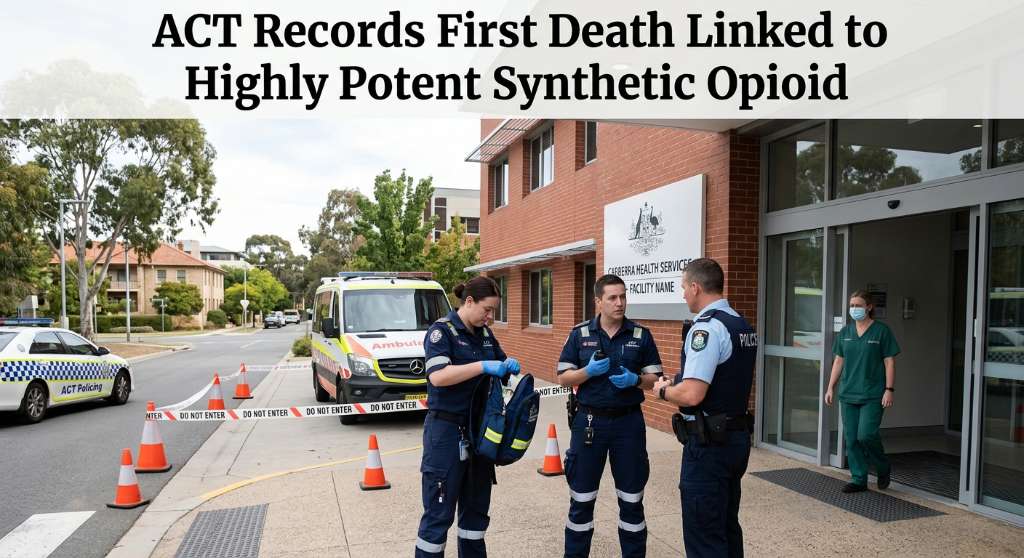
A Canberra woman has become the first person in the ACT whose death has been linked to a highly potent synthetic opioid, prompting renewed concern about...
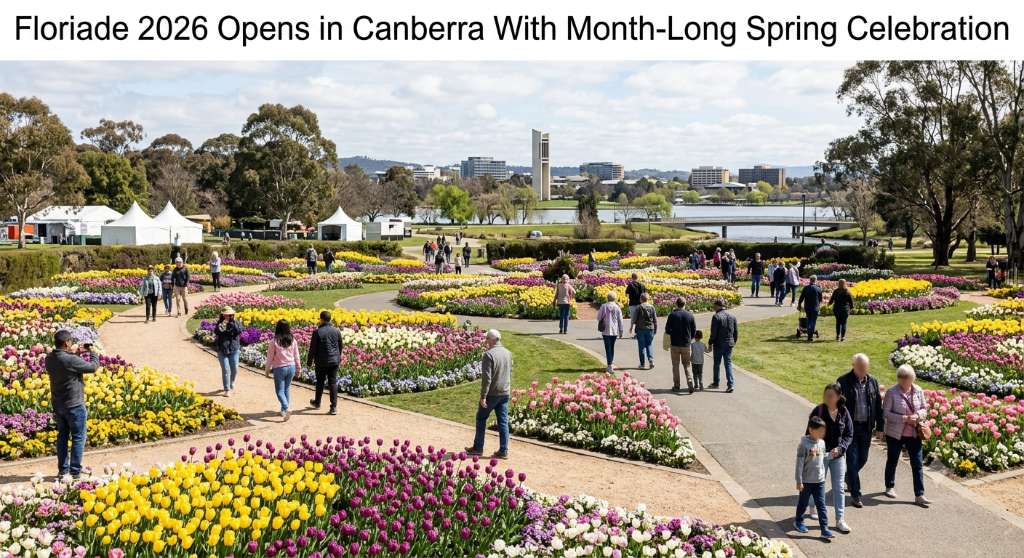
Canberra’s Commonwealth Park has welcomed visitors for the annual Floriade festival, bringing flowers, entertainment and spring activities to the city.
Cairns Regional Council has unanimously voted to seek $400,000 in Queensland Government funding for a program designed to connect local businesses with the region’s growing film...
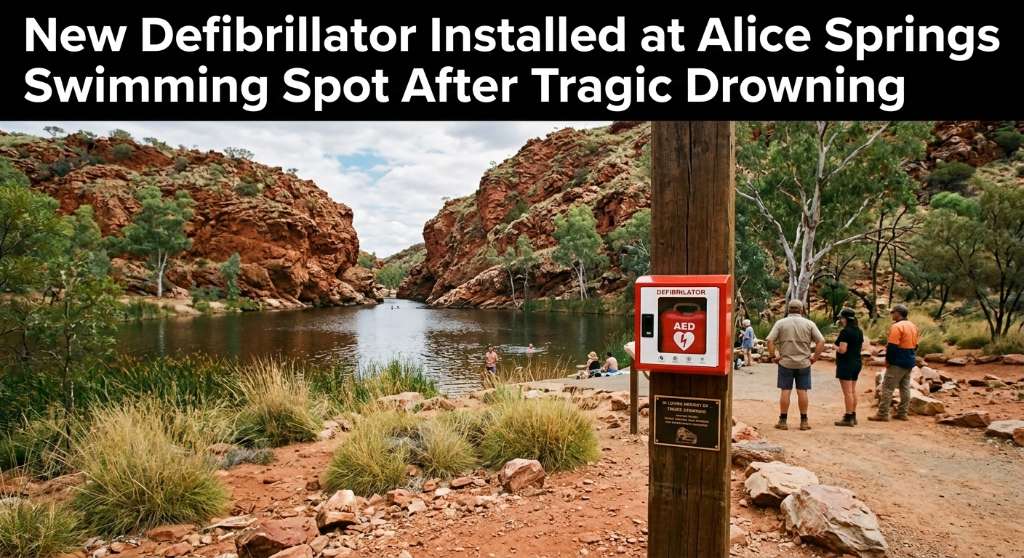
An automated external defibrillator and memorial plaque have been installed at Ellery Creek Big Hole following the death of disability advocate Ellen Fr...
Queensland firefighters spent several hours monitoring a significant grass fire at Mary Kinross Park in Bargara, near Bundaberg, after the blaze broke out on Wednesday evening....