Safety note: Admin approval is an initial review, not a guarantee that every detail is correct. Check important or urgent claims with official sources and report anything inaccurate or unsafe.
Source and credit: Contributor's own report
Serial Drug Dealer Jailed After Returning to Trafficking to Fund $2,000-a-Week Habit - Geelong, VIC
Smart summary
A Geelong man has been sentenced to prison after returning to drug dealing to support a costly drug habit, despite the serious damage his offending caused to his life and relationships.
A Geelong man has been sentenced to prison after returning to drug trafficking to fund a serious drug habit that was costing him around $2,000 a week. The case was reported today and highlights the destructive consequences of long-term drug dependence and repeated offending.
The man, Eevin Nguyen, returned to dealing methamphetamine and heroin despite having previously faced the consequences of drug-related offending. His latest criminal activity was driven by his need to obtain money to support his own drug use.
According to the court case reported today, Nguyen's addiction had contributed to significant disruption in his personal life, including the loss of homes and relationships. His return to drug trafficking demonstrated the difficulties involved in breaking a cycle of dependence and criminal behaviour.
Drug trafficking offences are treated seriously by Australian courts because of the potential harm caused to individuals and communities. Methamphetamine and heroin are highly addictive substances, and the distribution of these drugs can contribute to wider health, social and criminal problems.
The court considered the circumstances surrounding Nguyen's offending before imposing a prison sentence. Sentencing decisions generally take into account factors including the seriousness of the offences, the amount and type of drugs involved, the offender's criminal history, their personal circumstances and any evidence of rehabilitation.
The case also illustrates the financial pressures associated with severe drug dependence. A habit costing approximately $2,000 every week can create substantial pressure, particularly when an individual has limited legitimate income. In Nguyen's case, prosecutors argued that drug dealing became a way of obtaining the money required to continue his own consumption.
However, courts distinguish between addiction as a personal problem and the criminal responsibility associated with supplying prohibited drugs. While treatment and rehabilitation can form part of an offender's pathway forward, trafficking offences can result in significant imprisonment.
The case has attracted attention in Geelong because it demonstrates the connection between substance dependence, repeat offending and broader community harm. Police and health organisations continue to encourage people experiencing drug dependence to seek professional support rather than becoming involved in criminal activity.
For the community, the case also highlights the importance of treatment and early intervention. People experiencing serious addiction may require medical, psychological and social assistance to break patterns that can otherwise lead to repeated offending.
Nguyen's sentencing brings the latest stage of the criminal proceedings to a conclusion, although the broader issues surrounding addiction and drug-related crime remain significant challenges for Geelong and other Victorian communities.
Authorities continue to target drug trafficking operations because of the impact illicit drug supply can have on individuals and neighbourhoods. At the same time, health services emphasise the importance of treatment for people whose drug use has become dependent or harmful.
The court outcome provides another example of how drug trafficking can lead to severe legal consequences, particularly when an offender continues dealing after previous involvement with the criminal justice system.
This is a new, unique Geelong crime story published today, 8 August 2026. It is separate from the homelessness, AFL concussion and woolstore redevelopment stories already sent.
DrugCriminalTraffickingCaseDependence
A Geelong man has been sentenced to prison after returning to drug trafficking to fund a serious drug habit that was costing him around $2,000 a week. The case was reported today and highlights the destructive consequences of long-term drug dependence and repeated offending.
The man, Eevin Nguyen, returned to dealing methamphetamine and heroin despite having previously faced the consequences of drug-related offending. His latest criminal activity was driven by his need to obtain money to support his own drug use.
According to the court case reported today, Nguyen's addiction had contributed to significant disruption in his personal life, including the loss of homes and relationships. His return to drug trafficking demonstrated the difficulties involved in breaking a cycle of dependence and criminal behaviour.
Drug trafficking offences are treated seriously by Australian courts because of the potential harm caused to individuals and communities. Methamphetamine and heroin are highly addictive substances, and the distribution of these drugs can contribute to wider health, social and criminal problems.
The court considered the circumstances surrounding Nguyen's offending before imposing a prison sentence. Sentencing decisions generally take into account factors including the seriousness of the offences, the amount and type of drugs involved, the offender's criminal history, their personal circumstances and any evidence of rehabilitation.
The case also illustrates the financial pressures associated with severe drug dependence. A habit costing approximately $2,000 every week can create substantial pressure, particularly when an individual has limited legitimate income. In Nguyen's case, prosecutors argued that drug dealing became a way of obtaining the money required to continue his own consumption.
However, courts distinguish between addiction as a personal problem and the criminal responsibility associated with supplying prohibited drugs. While treatment and rehabilitation can form part of an offender's pathway forward, trafficking offences can result in significant imprisonment.
The case has attracted attention in Geelong because it demonstrates the connection between substance dependence, repeat offending and broader community harm. Police and health organisations continue to encourage people experiencing drug dependence to seek professional support rather than becoming involved in criminal activity.
For the community, the case also highlights the importance of treatment and early intervention. People experiencing serious addiction may require medical, psychological and social assistance to break patterns that can otherwise lead to repeated offending.
Nguyen's sentencing brings the latest stage of the criminal proceedings to a conclusion, although the broader issues surrounding addiction and drug-related crime remain significant challenges for Geelong and other Victorian communities.
Authorities continue to target drug trafficking operations because of the impact illicit drug supply can have on individuals and neighbourhoods. At the same time, health services emphasise the importance of treatment for people whose drug use has become dependent or harmful.
The court outcome provides another example of how drug trafficking can lead to severe legal consequences, particularly when an offender continues dealing after previous involvement with the criminal justice system.
This is a new, unique Geelong crime story published today, 8 August 2026. It is separate from the homelessness, AFL concussion and woolstore redevelopment stories already sent.
Two men have been charged after detectives investigating an alleged large-scale drug supply network seized cocaine, methylamphetamine, MDMA and other it...
Rose Tattoo frontman Gary “Angry” Anderson has died at 79 after a five-decade career spanning Australian rock music, television, film and youth advocacy.
A 65-year-old Melbourne man has been arrested by counter-terrorism police, who allege he pledged allegiance to ISIS and distributed thousands of violent...
A 17-year-old has been sentenced to two years and nine months in detention for his role in a violent home invasion in Melbourne's east that left a man w...
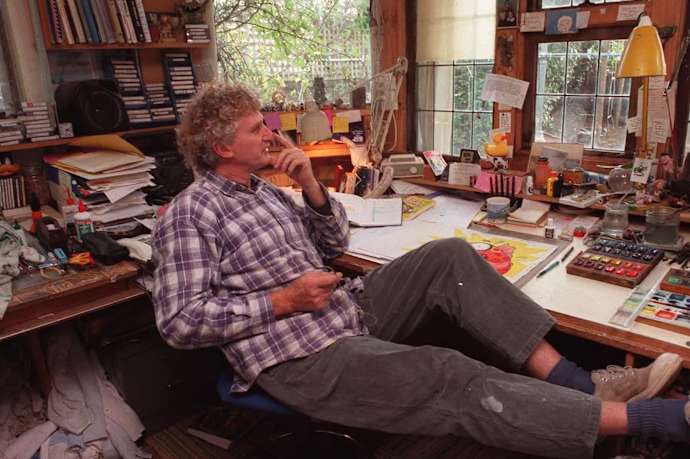
Australian children's author and illustrator Terry Denton, best known for his long-running creative partnership on the popular Treehouse books, has died...
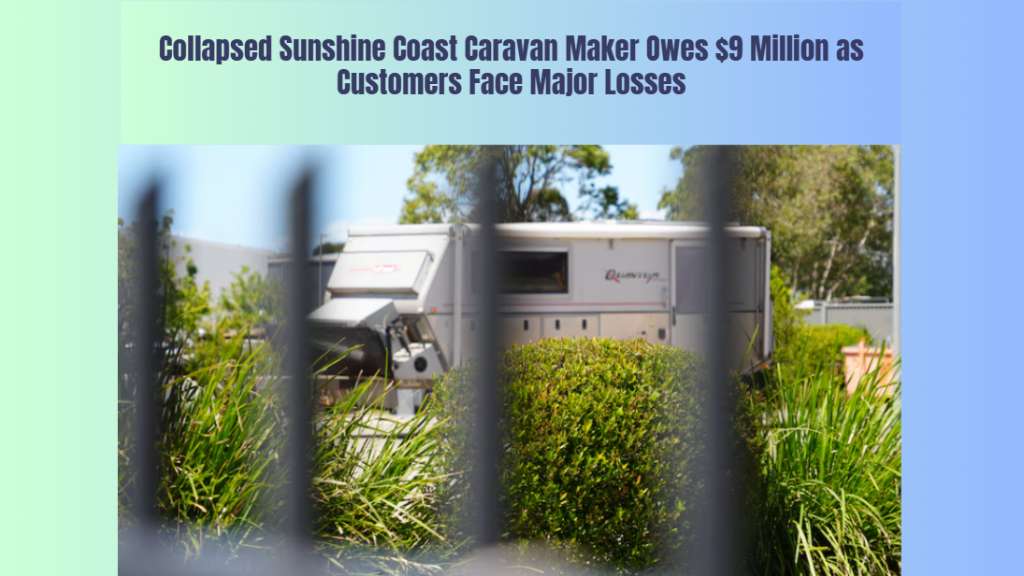
Administrators have revealed Australian Off Road owes about $9 million after the Sunshine Coast caravan manufacturer collapsed, leaving customers, emplo...
A woman has died following a serious three-vehicle collision involving a commercial bus and two cars in Glenburn, in Victoria’s Yarra Ranges, on Thursday, 24 September 2026. Eme...
A woman has died following a serious three-car collision in Leongatha, Victoria, on Wednesday afternoon, 23 September 2026. Emergency services were called to the Strzelecki High...
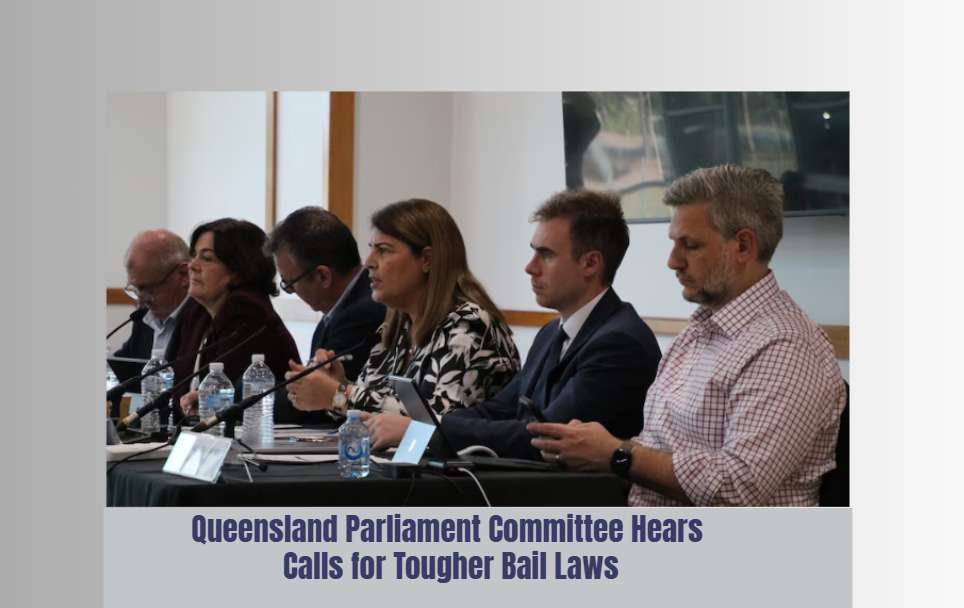
A Queensland parliamentary committee has completed regional hearings on proposed tougher bail laws, hearing from crime victims, legal experts and commun...