South Australian Man Arrested Over Alleged Stalking of Two Female MPs
By Chloe · Published 27 Oct 2026 · Updated 27 Oct 2026
Adelaide, SA · South Australia News
Safety note: Admin approval is an initial review, not a guarantee that every detail is correct. Check important or urgent claims with official sources and report anything inaccurate or unsafe.
Source and credit: Contributor's own report
South Australian Man Arrested Over Alleged Stalking of Two Female MPs - Adelaide, SA
Smart summary
Police have arrested a 44-year-old man and issued stalking cautions relating to two separate incidents involving South Australian parliamentarians, amid heightened concerns about politicians' safety.
A 44-year-old man has been arrested in South Australia following police investigations into two separate incidents involving female members of parliament. The case has drawn attention to security concerns facing elected representatives as authorities respond to a broader rise in reported threats and politically related violence.
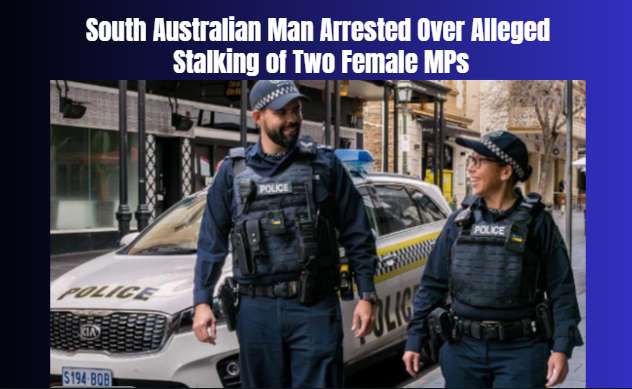
According to a report published on 27 October 2026, officers from the Northern Districts police area arrested the man on Tuesday. Police issued stalking cautions in connection with separate incidents involving two South Australian MPs at different locations.
Authorities have emphasised that the two incidents are not believed to be connected. The identities of the parliamentarians have not been publicly disclosed in the report.
A stalking caution is a formal warning issued by police in circumstances covered by South Australian law. It informs a person that their behaviour has raised concerns and that further conduct breaching the relevant conditions may result in criminal charges. Under Section 19AA of South Australia's Criminal Law Consolidation Act 1935, breaching a stalking caution can lead to a formal stalking charge.
The man was also charged with breaching bail in relation to unrelated alleged offending. He was granted bail and is due to appear at Elizabeth Magistrates Court on 27 November 2026 in connection with that charge.
The arrest comes at a time of heightened concern about the safety of Australian politicians. Earlier in October, independent federal MP Helen Haines was seriously injured in an alleged attack outside her electorate office in Wangaratta, Victoria. A 43-year-old man has been charged in connection with that separate incident.
The attack on Haines prompted renewed discussions among political leaders and law-enforcement agencies about how elected representatives can be protected while continuing to meet constituents and carry out their public duties.
In South Australia, the state's 69 upper and lower house parliamentarians were encouraged to attend an urgent security briefing. The briefing was expected to cover current threat assessments and practical steps MPs can take to improve their personal safety.
Politicians regularly interact with members of the public at electorate offices, community events and campaign activities. Although these interactions are an important part of representative democracy, police and political leaders have increasingly highlighted the need to respond appropriately to threatening or intimidating behaviour.
Security measures must balance the protection of elected officials with their ability to remain accessible to the people they represent. Authorities may assess individual risks and recommend precautions according to the circumstances of each case.
Police have not identified the two MPs involved in the stalking-caution matter, and the available report does not provide further details about the alleged conduct. The two incidents remain separate, and the allegations should not be treated as proven criminal offences.
The investigation adds to ongoing discussions about public safety, political intimidation and the role of police in preventing threats from escalating. Authorities continue to encourage anyone facing immediate danger to contact emergency services and report concerning behaviour through appropriate channels.
PoliceSouthStalkingAllegedAuthorities
A 44-year-old man has been arrested in South Australia following police investigations into two separate incidents involving female members of parliament. The case has drawn attention to security concerns facing elected representatives as authorities respond to a broader rise in reported threats and politically related violence.
According to a report published on 27 October 2026, officers from the Northern Districts police area arrested the man on Tuesday. Police issued stalking cautions in connection with separate incidents involving two South Australian MPs at different locations.
Authorities have emphasised that the two incidents are not believed to be connected. The identities of the parliamentarians have not been publicly disclosed in the report.
A stalking caution is a formal warning issued by police in circumstances covered by South Australian law. It informs a person that their behaviour has raised concerns and that further conduct breaching the relevant conditions may result in criminal charges. Under Section 19AA of South Australia's Criminal Law Consolidation Act 1935, breaching a stalking caution can lead to a formal stalking charge.
The man was also charged with breaching bail in relation to unrelated alleged offending. He was granted bail and is due to appear at Elizabeth Magistrates Court on 27 November 2026 in connection with that charge.
The arrest comes at a time of heightened concern about the safety of Australian politicians. Earlier in October, independent federal MP Helen Haines was seriously injured in an alleged attack outside her electorate office in Wangaratta, Victoria. A 43-year-old man has been charged in connection with that separate incident.
The attack on Haines prompted renewed discussions among political leaders and law-enforcement agencies about how elected representatives can be protected while continuing to meet constituents and carry out their public duties.
In South Australia, the state's 69 upper and lower house parliamentarians were encouraged to attend an urgent security briefing. The briefing was expected to cover current threat assessments and practical steps MPs can take to improve their personal safety.
Politicians regularly interact with members of the public at electorate offices, community events and campaign activities. Although these interactions are an important part of representative democracy, police and political leaders have increasingly highlighted the need to respond appropriately to threatening or intimidating behaviour.
Security measures must balance the protection of elected officials with their ability to remain accessible to the people they represent. Authorities may assess individual risks and recommend precautions according to the circumstances of each case.
Police have not identified the two MPs involved in the stalking-caution matter, and the available report does not provide further details about the alleged conduct. The two incidents remain separate, and the allegations should not be treated as proven criminal offences.
The investigation adds to ongoing discussions about public safety, political intimidation and the role of police in preventing threats from escalating. Authorities continue to encourage anyone facing immediate danger to contact emergency services and report concerning behaviour through appropriate channels.
A psychiatric report presented to South Australia's Supreme Court has raised questions about Tamika Chesser's mental competence in the case involving th...
Eight people have died in separate road crashes across Victoria during the Melbourne Cup long weekend, with four of the fatal incidents involving motorc...
New South Wales has begun accepting firearms under the national gun buyback scheme, but limited appointment availability has created an early challenge...
A psychiatric report presented to South Australia's Supreme Court has raised questions about Tamika Chesser's mental competence in the case involving th...
Residents have rallied against a proposed 1,200-megawatt artificial intelligence data centre near Tungkillo, raising concerns about water supplies, land...
South Australian health authorities report 22 meningococcal disease cases this year and urge eligible residents to receive vaccination as contact tracin...
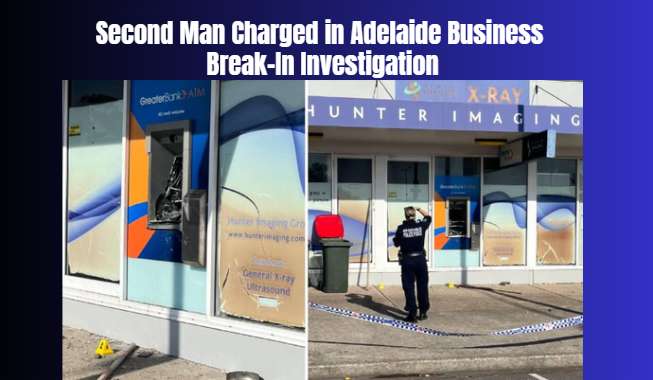
South Australian detectives have arrested a second man over a series of alleged business break-ins, thefts and property damage incidents across metropol...
A psychiatric report presented to South Australia's Supreme Court has raised questions about Tamika Chesser's mental competence in the case involving th...
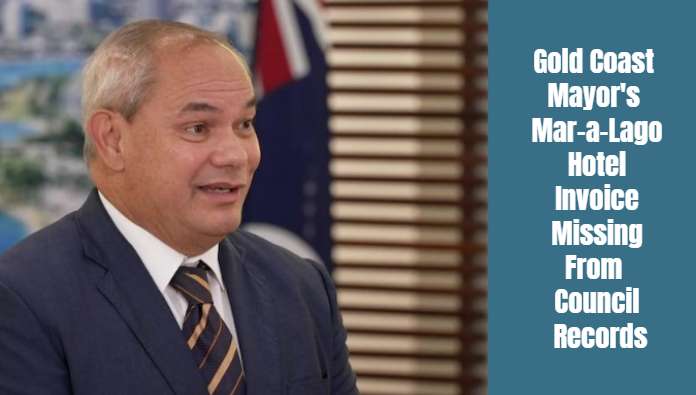
A freedom of information request has revealed that Gold Coast Council does not hold a copy of the invoice for Mayor Tom Tate's three-day stay at Donald...