Safety note: Admin approval is an initial review, not a guarantee that every detail is correct. Check important or urgent claims with official sources and report anything inaccurate or unsafe.
Source and credit: Contributor's own report
South Solitary Lighthouse Receives Long-Awaited Restoration and Conservation Attention - Coffs Harbour, NSW
Smart summary
The historic South Solitary Island Lighthouse near Coffs Harbour is receiving renewed attention through conservation efforts, helping preserve one of the NSW Mid North Coast’s most significant maritime landmarks.
The historic South Solitary Island Lighthouse, located off the coast of Coffs Harbour, New South Wales, is receiving renewed care and attention after years of waiting for restoration and preservation work. The iconic lighthouse remains an important part of the region’s maritime history and continues to capture the imagination of locals, historians and visitors.
Built in 1880, South Solitary Lighthouse was one of the most isolated lighthouse stations on the NSW coastline. Designed by colonial architect James Barnet, the lighthouse was constructed on South Solitary Island using concrete and locally sourced materials, with keeper cottages built nearby to support the families and workers who maintained the station.
For decades, lighthouse keepers lived and worked in challenging conditions on the remote island, relying on supply deliveries from the mainland and managing the lighthouse through difficult weather conditions. The isolation of the location created a unique history filled with stories of dedication, resilience and community.
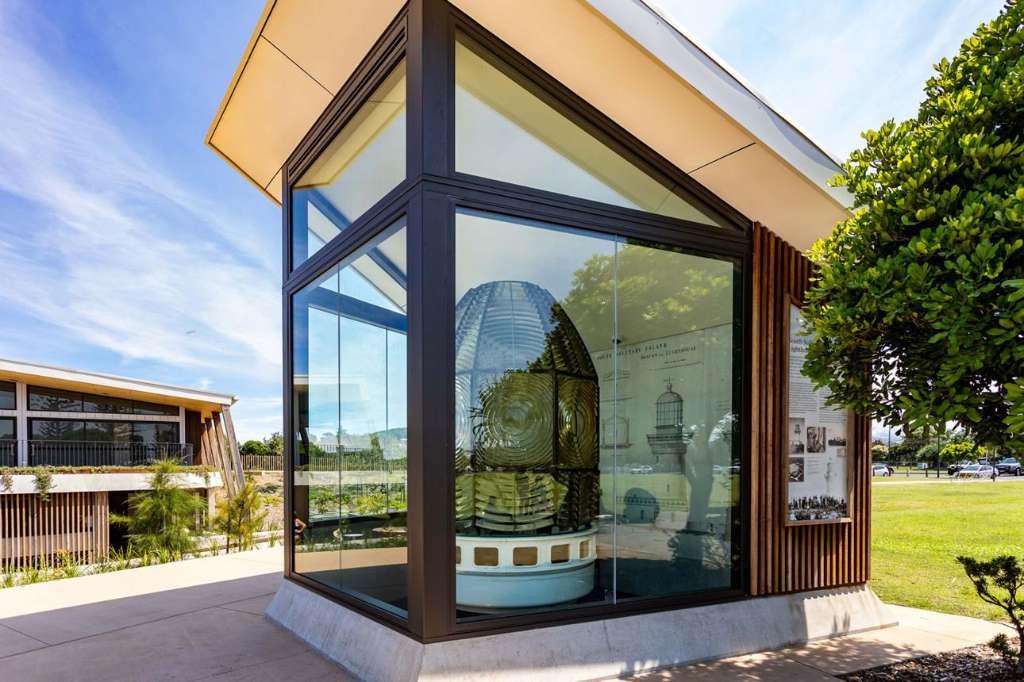
One of the most significant parts of the lighthouse’s history is its original Chance Brothers optic, a complex system of lenses and prisms that helped project the lighthouse beam across the ocean. The historic optic operated from 1880 until the lighthouse was automated in 1975, after which it was removed and stored for many years.
After decades in storage, a major conservation project brought the optic back into public view. Supported by the City of Coffs Harbour and the NSW Government, the restoration involved careful preservation work before the historic lighthouse equipment was installed in a purpose-built display at the Coffs Harbour Jetty precinct.
The restored optic has become a popular community attraction, with special lighting events allowing residents and visitors to experience a piece of Coffs Harbour’s maritime heritage. The display has attracted large crowds, with hundreds of people attending previous illumination events to see the historic light operate once again.
The lighthouse also holds a special place in local storytelling. Historical accounts include the famous romance between lighthouse keeper John “Harry” Fisher and Maud Damerell, whose relationship developed through Morse code communication between the island lighthouse and the mainland signal station in the early 1900s.
Community groups, including the Friends of South Solitary Island Lighthouse (FOSSIL), have played an important role in preserving the lighthouse’s history and raising awareness of its cultural value. Volunteers have worked alongside government organisations and heritage specialists to protect the site and share its stories with future generations.
Today, South Solitary Island Lighthouse continues to represent the connection between Coffs Harbour’s past and present. While the remote island remains challenging to access, guided tours and conservation projects provide opportunities for people to learn about the lighthouse, its keepers and its role in Australian maritime history.
The ongoing attention given to South Solitary Lighthouse highlights the importance of protecting heritage landmarks. These sites provide more than historical value — they connect communities with stories of courage, innovation and the people who helped shape coastal Australia.
As conservation work continues, the lighthouse remains a symbol of Coffs Harbour’s maritime identity and a reminder of the region’s rich connection to the sea.
LighthouseSouthIslandSolitaryCoffs
The historic South Solitary Island Lighthouse, located off the coast of Coffs Harbour, New South Wales, is receiving renewed care and attention after years of waiting for restoration and preservation work. The iconic lighthouse remains an important part of the region’s maritime history and continues to capture the imagination of locals, historians and visitors.
Built in 1880, South Solitary Lighthouse was one of the most isolated lighthouse stations on the NSW coastline. Designed by colonial architect James Barnet, the lighthouse was constructed on South Solitary Island using concrete and locally sourced materials, with keeper cottages built nearby to support the families and workers who maintained the station.
For decades, lighthouse keepers lived and worked in challenging conditions on the remote island, relying on supply deliveries from the mainland and managing the lighthouse through difficult weather conditions. The isolation of the location created a unique history filled with stories of dedication, resilience and community.
One of the most significant parts of the lighthouse’s history is its original Chance Brothers optic, a complex system of lenses and prisms that helped project the lighthouse beam across the ocean. The historic optic operated from 1880 until the lighthouse was automated in 1975, after which it was removed and stored for many years.
After decades in storage, a major conservation project brought the optic back into public view. Supported by the City of Coffs Harbour and the NSW Government, the restoration involved careful preservation work before the historic lighthouse equipment was installed in a purpose-built display at the Coffs Harbour Jetty precinct.
The restored optic has become a popular community attraction, with special lighting events allowing residents and visitors to experience a piece of Coffs Harbour’s maritime heritage. The display has attracted large crowds, with hundreds of people attending previous illumination events to see the historic light operate once again.
The lighthouse also holds a special place in local storytelling. Historical accounts include the famous romance between lighthouse keeper John “Harry” Fisher and Maud Damerell, whose relationship developed through Morse code communication between the island lighthouse and the mainland signal station in the early 1900s.
Community groups, including the Friends of South Solitary Island Lighthouse (FOSSIL), have played an important role in preserving the lighthouse’s history and raising awareness of its cultural value. Volunteers have worked alongside government organisations and heritage specialists to protect the site and share its stories with future generations.
Today, South Solitary Island Lighthouse continues to represent the connection between Coffs Harbour’s past and present. While the remote island remains challenging to access, guided tours and conservation projects provide opportunities for people to learn about the lighthouse, its keepers and its role in Australian maritime history.
The ongoing attention given to South Solitary Lighthouse highlights the importance of protecting heritage landmarks. These sites provide more than historical value — they connect communities with stories of courage, innovation and the people who helped shape coastal Australia.
As conservation work continues, the lighthouse remains a symbol of Coffs Harbour’s maritime identity and a reminder of the region’s rich connection to the sea.
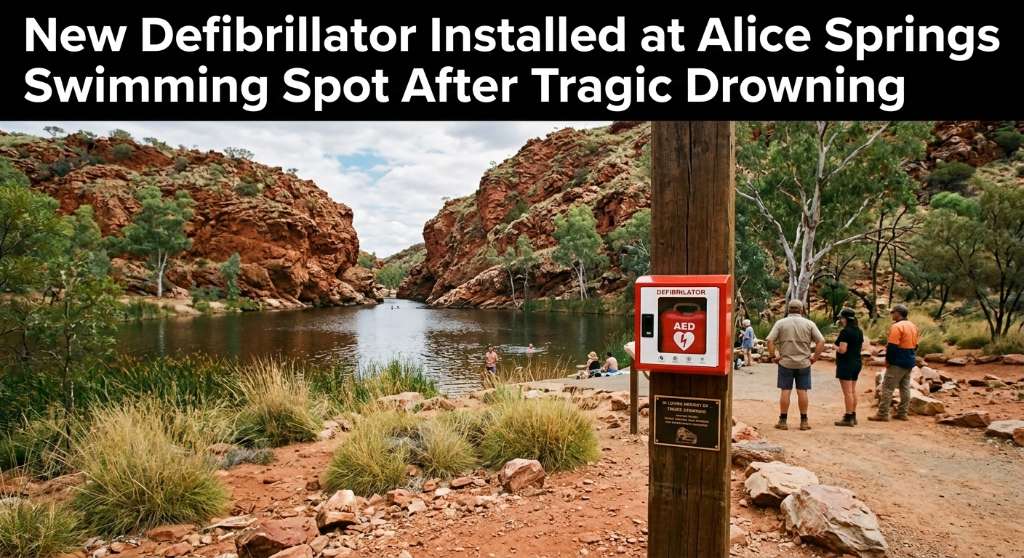
An automated external defibrillator and memorial plaque have been installed at Ellery Creek Big Hole following the death of disability advocate Ellen Fr...
Bathurst New South Wales · Community News · 17 Sep 2026
Kerry “Pecky” Peck, a long-standing Bathurst radio personality, has been inducted into the Bathurst Business Hall of Fame in recognition of his extensive contribution to the loc...
A new specialist family-violence support model has been introduced in Ballarat, with dedicated workers now embedded alongside Victoria Police to help people experiencing family...
Orange New South Wales · Community News · 17 Sep 2026
Orange City Council has elected a new Deputy Mayor for the next two years, with the decision announced today, 17 September 2026. The council said the election took place during...
A 36-year-old man has been charged after investigators allegedly found fraudulent identification documents, cloned number plates, cash and drug-manufact...
A Sydney court has heard that a man sent 249 messages to a former partner within 24 hours, with the messages treated as a single alleged breach of an ap...
A high-profile athlete has returned to court and told the hearing that an alleged unwanted kiss by former broadcaster Alan Jones remained difficult to f...
Work on the $150 million Sydney Town Hall Square project has been paused after the NSW Planning Minister referred the development for review by the Inde...
Cairns Regional Council has unanimously voted to seek $400,000 in Queensland Government funding for a program designed to connect local businesses with the region’s growing film...
An automated external defibrillator and memorial plaque have been installed at Ellery Creek Big Hole following the death of disability advocate Ellen Fr...
Queensland firefighters spent several hours monitoring a significant grass fire at Mary Kinross Park in Bargara, near Bundaberg, after the blaze broke out on Wednesday evening....