Safety note: Admin approval is an initial review, not a guarantee that every detail is correct. Check important or urgent claims with official sources and report anything inaccurate or unsafe.
Source and credit: Contributor's own report
Specialist Fire Crews Respond to Early-Morning Hybrid Vehicle Fire in Gulgong - Bathurst, NSW
Smart summary
Firefighters with specialist training were called to extinguish a hybrid vehicle fire in Gulgong, highlighting the unique challenges posed by high-voltage battery-powered vehicles.
Specialist firefighters were called into action in the early hours of Saturday morning after a hybrid vehicle caught fire in Belmore Street, Gulgong, in Central West New South Wales. The incident occurred at approximately 4:19am, prompting a rapid response from local Fire and Rescue NSW crews trained to manage fires involving hybrid and electric vehicle technology.
Emergency crews arrived to find the hybrid vehicle well alight. Unlike conventional petrol or diesel vehicle fires, hybrid and electric vehicles contain high-voltage battery systems that require specialised firefighting techniques. Firefighters quickly established safety zones and assessed the condition of the battery before beginning suppression operations.
Authorities said hybrid vehicle fires present additional hazards because lithium-ion battery packs can experience thermal runaway, a chemical reaction that generates intense heat and has the potential to reignite even after visible flames have been extinguished. As a result, crews must carefully cool the battery, continuously monitor temperatures and ensure the vehicle remains safe before it can be removed from the scene.
The incident tested the specialist training that Fire and Rescue NSW personnel have undertaken as hybrid and electric vehicles become increasingly common on Australian roads. Firefighters used dedicated procedures designed specifically for high-voltage vehicles, prioritising both firefighter safety and protection of nearby properties. Their training includes recognising battery hazards, isolating electrical systems where possible and using thermal imaging equipment to detect hidden hot spots.
Fortunately, no injuries were reported during the incident, and the fire was contained before it spread to nearby buildings or vehicles. Emergency crews remained at the scene after the flames were extinguished to monitor the battery and ensure there was no risk of reignition. The vehicle was later made safe for recovery.
Fire authorities said that while fires involving hybrid and electric vehicles remain relatively uncommon, they require different tactics from those used for conventional vehicle fires. As more Australians transition to hybrid and electric vehicles, emergency services across the country are investing in additional training, equipment and operational procedures to ensure firefighters can respond safely and effectively to these incidents.
Investigators are continuing to examine the cause of the fire, and no suspicious circumstances have been reported. Fire officials also reminded owners of hybrid and electric vehicles to follow manufacturer servicing recommendations and seek professional inspections if warning lights, battery faults or unusual heat are detected.
The Gulgong incident serves as a reminder of how evolving vehicle technology is changing emergency response operations. While hybrid vehicles are generally considered safe, fires involving high-voltage batteries require specialised knowledge and equipment, reinforcing the importance of ongoing firefighter training as cleaner transport technologies become more widespread.
HybridVehicleFireVehiclesBattery
Specialist firefighters were called into action in the early hours of Saturday morning after a hybrid vehicle caught fire in Belmore Street, Gulgong, in Central West New South Wales. The incident occurred at approximately 4:19am, prompting a rapid response from local Fire and Rescue NSW crews trained to manage fires involving hybrid and electric vehicle technology.
Emergency crews arrived to find the hybrid vehicle well alight. Unlike conventional petrol or diesel vehicle fires, hybrid and electric vehicles contain high-voltage battery systems that require specialised firefighting techniques. Firefighters quickly established safety zones and assessed the condition of the battery before beginning suppression operations.
Authorities said hybrid vehicle fires present additional hazards because lithium-ion battery packs can experience thermal runaway, a chemical reaction that generates intense heat and has the potential to reignite even after visible flames have been extinguished. As a result, crews must carefully cool the battery, continuously monitor temperatures and ensure the vehicle remains safe before it can be removed from the scene.
The incident tested the specialist training that Fire and Rescue NSW personnel have undertaken as hybrid and electric vehicles become increasingly common on Australian roads. Firefighters used dedicated procedures designed specifically for high-voltage vehicles, prioritising both firefighter safety and protection of nearby properties. Their training includes recognising battery hazards, isolating electrical systems where possible and using thermal imaging equipment to detect hidden hot spots.
Fortunately, no injuries were reported during the incident, and the fire was contained before it spread to nearby buildings or vehicles. Emergency crews remained at the scene after the flames were extinguished to monitor the battery and ensure there was no risk of reignition. The vehicle was later made safe for recovery.
Fire authorities said that while fires involving hybrid and electric vehicles remain relatively uncommon, they require different tactics from those used for conventional vehicle fires. As more Australians transition to hybrid and electric vehicles, emergency services across the country are investing in additional training, equipment and operational procedures to ensure firefighters can respond safely and effectively to these incidents.
Investigators are continuing to examine the cause of the fire, and no suspicious circumstances have been reported. Fire officials also reminded owners of hybrid and electric vehicles to follow manufacturer servicing recommendations and seek professional inspections if warning lights, battery faults or unusual heat are detected.
The Gulgong incident serves as a reminder of how evolving vehicle technology is changing emergency response operations. While hybrid vehicles are generally considered safe, fires involving high-voltage batteries require specialised knowledge and equipment, reinforcing the importance of ongoing firefighter training as cleaner transport technologies become more widespread.
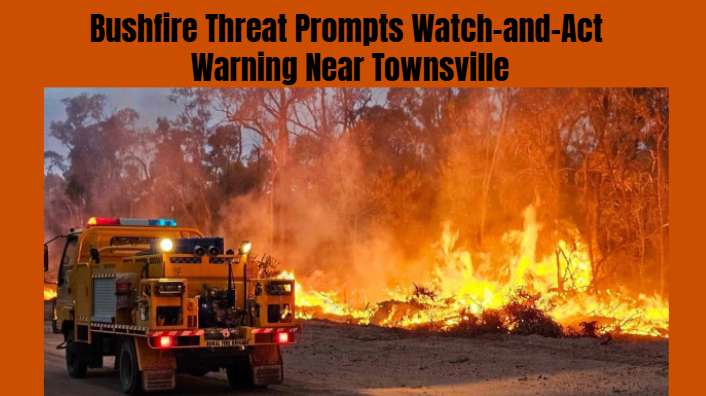
Fire crews and water-bombing helicopters are responding to a fast-moving bushfire near Oak Valley, north of Townsville, as residents in nearby areas are...
A man has died after being hit by a car on the Midland Highway near Magpie, south of Ballarat. Police are investigating the circumstances of the collisi...
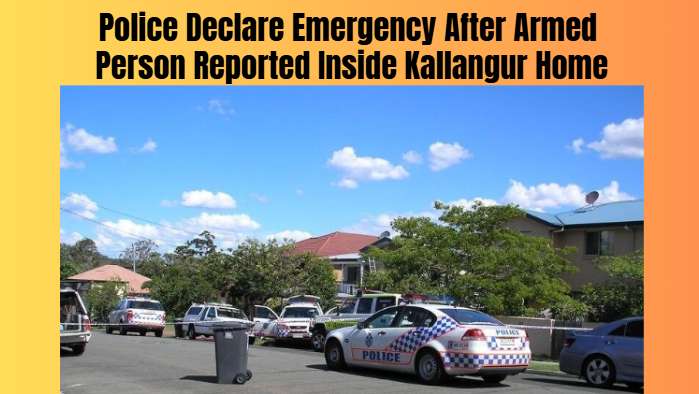
Queensland Police established an emergency exclusion zone in Kallangur, north of Brisbane, after receiving reports of an armed person inside a residence...
Captain Smit Machchhar is recovering after allegedly being attacked by his co-pilot aboard a Flydubai flight bound for Israel. His longtime friend has d...
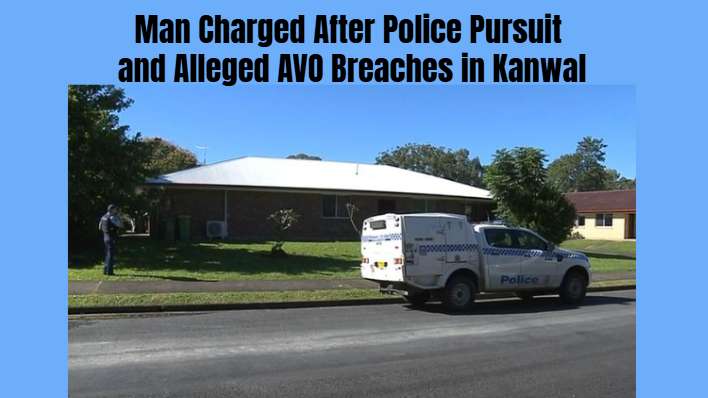
A 33-year-old man has been charged with six offences following a police pursuit and arrest on the NSW Central Coast. Police say the incident began with...
Bathurst bellringers are preparing to gather to celebrate a historic tradition dating back to 17th-century England, bringing together a community dedica...
New South Wales senator David Shoebridge has been elected leader of the Australian Greens following an internal party-room ballot, succeeding Larissa Wa...
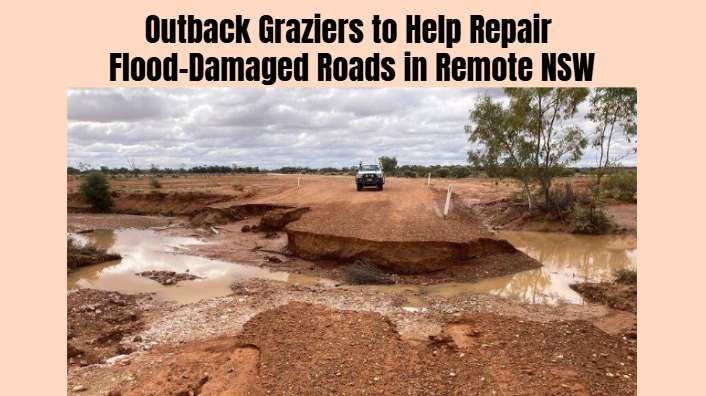
Transport for NSW plans to hire local graziers and station owners to help repair roads damaged by months of heavy rain in the state’s Far West. However,...
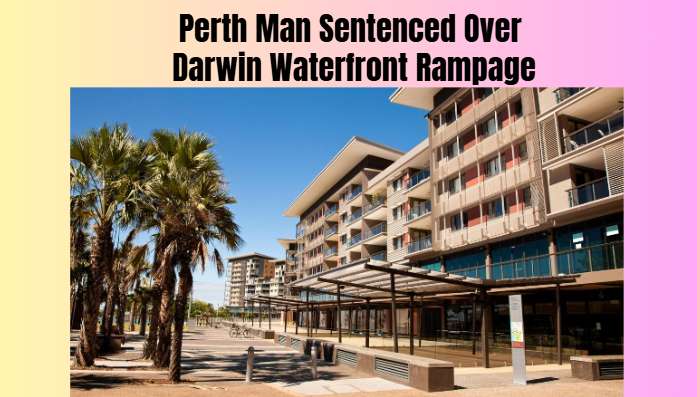
A 36-year-old man extradited from Perth has received a suspended prison sentence after being convicted over a violent incident involving four people at...
Darwin's Frontier Bar and Grill manager Aston Bell has received two industry awards, recognising her leadership, customer service and contribution to th...
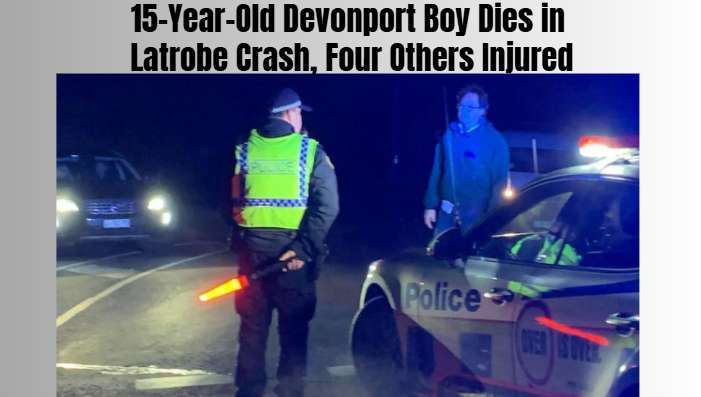
A teenager from Devonport has died and four other people were injured after a serious crash involving a ute on Mersey Main Road near Latrobe, Tasmania.