Safety note: Admin approval is an initial review, not a guarantee that every detail is correct. Check important or urgent claims with official sources and report anything inaccurate or unsafe.
Source and credit: Contributor's own report
SS Gothenburg Shipwreck Rediscovery Reveals Lost Maritime Treasure Off Queensland Coast - Townsville, Queensland
Smart summary
A chance discovery by spearfishers helped re-identify the long-lost wreck of the SS Gothenburg, a colonial-era steamship that sank in 1875 with gold on board and became one of Australia’s most tragic maritime disasters.
The story of the SS Gothenburg blends maritime tragedy, accidental discovery, and historical treasure, stretching across more than a century of Australian coastal history. The wreck, which sank off the coast of Townsville, Queensland in 1875, was long considered one of the most devastating shipwrecks in the region due to the loss of life and the disappearance of its location over time.
In a remarkable twist, the wreck was later rediscovered almost by accident in 1967, when spearfisherman Peter Rubiolo and two friends were exploring offshore waters near a small dinghy. While fishing, they noticed an unusual object protruding from beneath the surface. When they struck it, they heard the distinctive metallic sound of steel—realising they had encountered a submerged shipwreck rather than natural reef structure.
The wreck itself had been so heavily degraded by time and marine conditions that most of the wooden structure had disappeared, leaving only the skeletal outline of the vessel embedded in the reef. Identification was initially difficult, as no clear markings remained. However, a key breakthrough came when Rubiolo recovered a distinctive ship porthole engraved with a broad arrow symbol, which later helped historians confirm the wreck as the long-lost SS Gothenburg.
The SS Gothenburg was a 60-metre English steamship operating in the colonial era, used to transport passengers, cargo, and valuable goods between ports such as Darwin (then Palmerston) and Adelaide. At the time of its final voyage in 1875, the ship was carrying a significant cargo including approximately 93 kilograms of gold, along with passengers and crew.
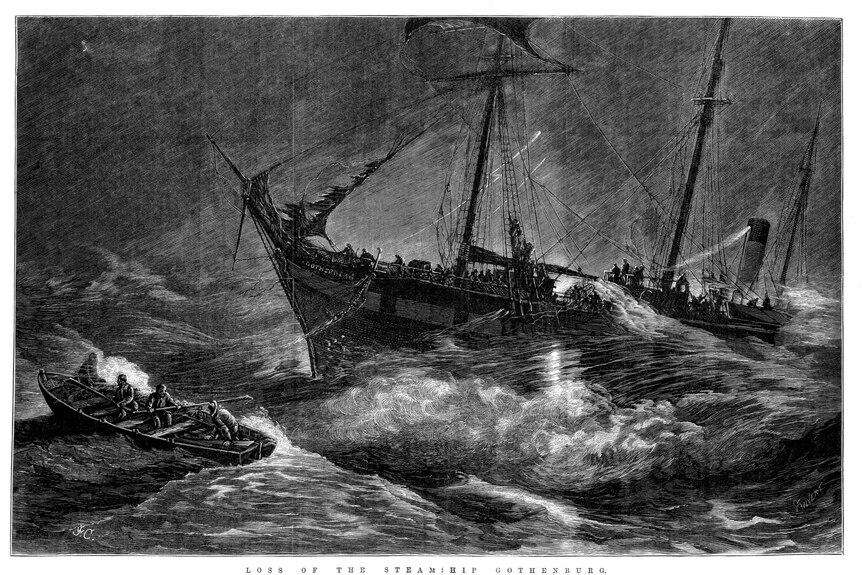
Disaster struck when the ship collided with part of the Great Barrier Reef during severe weather conditions, causing catastrophic damage. Over the following 24 hours, the vessel slowly sank. Around 100 people died, while only 22 survived, many of whom managed to reach nearby islands in lifeboats after a desperate struggle for survival.
The tragedy quickly became part of maritime legend. Historical accounts describe chaotic scenes during the sinking and later recovery efforts, including salvage operations that retrieved gold and personal belongings. However, over time, the exact location of the wreck faded from memory, and it was effectively “lost” to history until its rediscovery nearly a century later.
Today, the SS Gothenburg site is recognised not only as a historic shipwreck but also as a protected underwater cultural heritage site. The wreck has become an artificial reef, supporting marine life such as coral, fish, and sharks, while also serving as a reminder of the dangers faced by early maritime travel along Australia’s coastline.
Experts say the discovery highlights how many historical wrecks in Australian waters remain undocumented or only partially explored. With improved marine technology and sonar mapping, researchers continue to locate and study shipwrecks that offer valuable insight into colonial trade, migration, and maritime engineering.
The SS Gothenburg remains one of the most compelling examples of how chance discovery can reconnect modern Australia with its maritime past—linking personal memory, historical tragedy, and underwater archaeology into a single enduring story.
GothenburgMaritimeWreckHistoricalLater
The story of the SS Gothenburg blends maritime tragedy, accidental discovery, and historical treasure, stretching across more than a century of Australian coastal history. The wreck, which sank off the coast of Townsville, Queensland in 1875, was long considered one of the most devastating shipwrecks in the region due to the loss of life and the disappearance of its location over time.
In a remarkable twist, the wreck was later rediscovered almost by accident in 1967, when spearfisherman Peter Rubiolo and two friends were exploring offshore waters near a small dinghy. While fishing, they noticed an unusual object protruding from beneath the surface. When they struck it, they heard the distinctive metallic sound of steel—realising they had encountered a submerged shipwreck rather than natural reef structure.
The wreck itself had been so heavily degraded by time and marine conditions that most of the wooden structure had disappeared, leaving only the skeletal outline of the vessel embedded in the reef. Identification was initially difficult, as no clear markings remained. However, a key breakthrough came when Rubiolo recovered a distinctive ship porthole engraved with a broad arrow symbol, which later helped historians confirm the wreck as the long-lost SS Gothenburg.
The SS Gothenburg was a 60-metre English steamship operating in the colonial era, used to transport passengers, cargo, and valuable goods between ports such as Darwin (then Palmerston) and Adelaide. At the time of its final voyage in 1875, the ship was carrying a significant cargo including approximately 93 kilograms of gold, along with passengers and crew.
Disaster struck when the ship collided with part of the Great Barrier Reef during severe weather conditions, causing catastrophic damage. Over the following 24 hours, the vessel slowly sank. Around 100 people died, while only 22 survived, many of whom managed to reach nearby islands in lifeboats after a desperate struggle for survival.
The tragedy quickly became part of maritime legend. Historical accounts describe chaotic scenes during the sinking and later recovery efforts, including salvage operations that retrieved gold and personal belongings. However, over time, the exact location of the wreck faded from memory, and it was effectively “lost” to history until its rediscovery nearly a century later.
Today, the SS Gothenburg site is recognised not only as a historic shipwreck but also as a protected underwater cultural heritage site. The wreck has become an artificial reef, supporting marine life such as coral, fish, and sharks, while also serving as a reminder of the dangers faced by early maritime travel along Australia’s coastline.
Experts say the discovery highlights how many historical wrecks in Australian waters remain undocumented or only partially explored. With improved marine technology and sonar mapping, researchers continue to locate and study shipwrecks that offer valuable insight into colonial trade, migration, and maritime engineering.
The SS Gothenburg remains one of the most compelling examples of how chance discovery can reconnect modern Australia with its maritime past—linking personal memory, historical tragedy, and underwater archaeology into a single enduring story.
A Chinese private processor has purchased 68,000 tonnes of new-season Australian canola for shipment in March, marking the first known private-sector pu...
Darwin Northern Territory · Other News · 01 Sep 2026
A scenic hike through Butterfly Gorge in the Northern Territory turned into a frightening experience when a buffalo charged at two hikers. ABC Darwin reported the story today, 1...
Coffs Harbour New South Wales · Other News · 01 Sep 2026
A Safe Work NSW inspection blitz across the Coffs Harbour region has uncovered dozens of workplace-safety issues in the horticulture industry. The operation followed concerns ab...
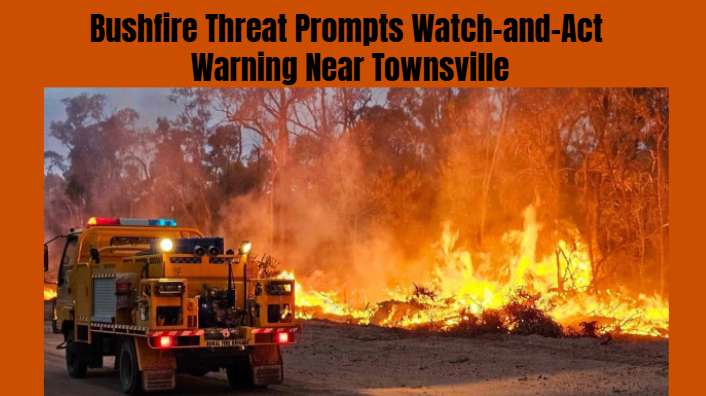
Fire crews and water-bombing helicopters are responding to a fast-moving bushfire near Oak Valley, north of Townsville, as residents in nearby areas are...
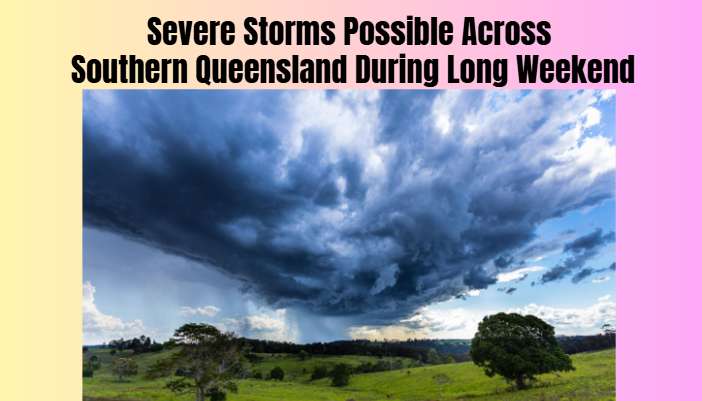
The Bureau of Meteorology is warning of possible thunderstorms across southern Queensland during the King’s Birthday long weekend, with unsettled weathe...
Changes to Australia’s working holiday visa program have raised concerns among tourism and hospitality businesses in Far North Queensland, where backpac...
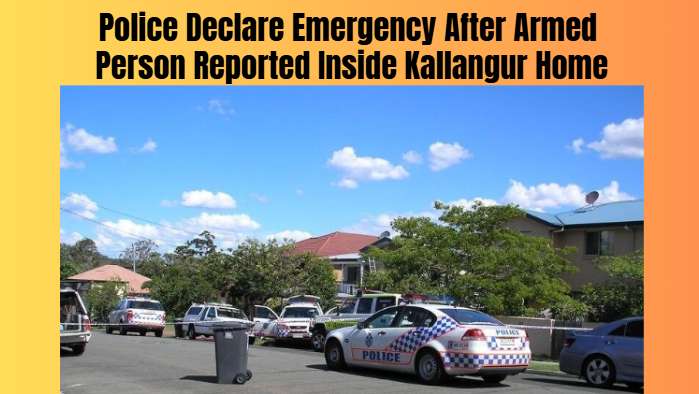
Queensland Police established an emergency exclusion zone in Kallangur, north of Brisbane, after receiving reports of an armed person inside a residence...
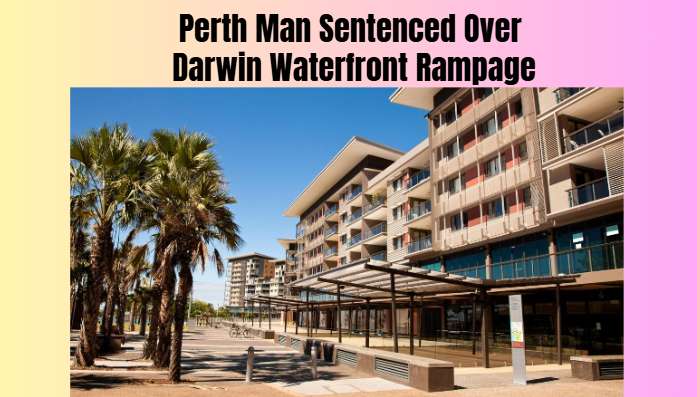
A 36-year-old man extradited from Perth has received a suspended prison sentence after being convicted over a violent incident involving four people at...
Darwin's Frontier Bar and Grill manager Aston Bell has received two industry awards, recognising her leadership, customer service and contribution to th...
A teenager from Devonport has died and four other people were injured after a serious crash involving a ute on Mersey Main Road near Latrobe, Tasmania.