Safety note: Admin approval is an initial review, not a guarantee that every detail is correct. Check important or urgent claims with official sources and report anything inaccurate or unsafe.
Source and credit: Contributor's own report
Sunshine Coast Teacher Loses Court Bid for Permanent Job After Three Years in Acting Role - Sunshine Coast, Qld
Smart summary
A Sunshine Coast teacher has lost her appeal for a permanent position after working in higher duties roles for more than three years, with the Queensland Industrial Relations Commission upholding the Department of Edu...
A Sunshine Coast teacher has lost a legal challenge seeking a permanent appointment after spending more than three years performing the duties of a Guidance Officer across local schools.
The teacher, Clare Dobson, had worked in temporary higher duties positions at Maleny State School and Baringa State Secondary College between 2022 and 2025. During this period, she performed the responsibilities of Guidance Officer roles, supporting students and school communities while the positions remained temporary.
In October 2025, Ms Dobson formally applied to have her position converted to a permanent role. Under Queensland public sector employment rules, the Department of Education was required to respond within a set timeframe. However, the department did not provide a decision within the required period, which resulted in what is known as a deemed decision refusing the application.
Ms Dobson challenged the decision, arguing that her long period of service demonstrated an ongoing operational need for the role. She also argued that the department should have considered her experience, merit and flexibility in deploying staff when assessing whether the position should become permanent.
The Department of Education argued that the circumstances of the positions did not support permanent conversion. The department said the Baringa State Secondary College role had a permanent employee returning, while the Maleny position was already occupied by another qualified staff member.
The Queensland Industrial Relations Commission ultimately dismissed Ms Dobson’s appeal and confirmed the department’s decision. However, the commission noted that the situation may have been avoided if the department had provided an active decision with clear reasons within the required timeframe.
The case highlights ongoing discussions around temporary employment arrangements in the education sector, where many teachers work extended periods on contracts or acting arrangements while performing ongoing duties.
Teacher employment conditions, workforce shortages and access to permanent positions remain major issues across Australian education systems. Many educators argue that long-term temporary roles can create uncertainty for teachers who continue performing essential responsibilities without the security of permanent employment.
The outcome also highlights the importance of public sector employers following required decision-making processes and providing timely responses to employment applications.
For teachers working in temporary roles, employment conversion processes can depend on factors including operational requirements, position availability, workforce planning and departmental policies.
The Sunshine Coast education sector continues to rely on experienced teachers and specialist staff to support students across primary and secondary schools. Guidance Officers play an important role in assisting students with learning, wellbeing, career planning and personal development.
While Ms Dobson’s appeal was unsuccessful, the decision provides further guidance on how Queensland public sector employment conversion applications are assessed and the factors considered by tribunals when reviewing these disputes.
The matter demonstrates the challenges faced by employees seeking permanent employment after long periods of temporary service and the balance employers must maintain between workforce flexibility and job security.
PermanentEmploymentDepartmentDecisionTemporary
A Sunshine Coast teacher has lost a legal challenge seeking a permanent appointment after spending more than three years performing the duties of a Guidance Officer across local schools.
The teacher, Clare Dobson, had worked in temporary higher duties positions at Maleny State School and Baringa State Secondary College between 2022 and 2025. During this period, she performed the responsibilities of Guidance Officer roles, supporting students and school communities while the positions remained temporary.
In October 2025, Ms Dobson formally applied to have her position converted to a permanent role. Under Queensland public sector employment rules, the Department of Education was required to respond within a set timeframe. However, the department did not provide a decision within the required period, which resulted in what is known as a deemed decision refusing the application.
Ms Dobson challenged the decision, arguing that her long period of service demonstrated an ongoing operational need for the role. She also argued that the department should have considered her experience, merit and flexibility in deploying staff when assessing whether the position should become permanent.
The Department of Education argued that the circumstances of the positions did not support permanent conversion. The department said the Baringa State Secondary College role had a permanent employee returning, while the Maleny position was already occupied by another qualified staff member.
The Queensland Industrial Relations Commission ultimately dismissed Ms Dobson’s appeal and confirmed the department’s decision. However, the commission noted that the situation may have been avoided if the department had provided an active decision with clear reasons within the required timeframe.
The case highlights ongoing discussions around temporary employment arrangements in the education sector, where many teachers work extended periods on contracts or acting arrangements while performing ongoing duties.
Teacher employment conditions, workforce shortages and access to permanent positions remain major issues across Australian education systems. Many educators argue that long-term temporary roles can create uncertainty for teachers who continue performing essential responsibilities without the security of permanent employment.
The outcome also highlights the importance of public sector employers following required decision-making processes and providing timely responses to employment applications.
For teachers working in temporary roles, employment conversion processes can depend on factors including operational requirements, position availability, workforce planning and departmental policies.
The Sunshine Coast education sector continues to rely on experienced teachers and specialist staff to support students across primary and secondary schools. Guidance Officers play an important role in assisting students with learning, wellbeing, career planning and personal development.
While Ms Dobson’s appeal was unsuccessful, the decision provides further guidance on how Queensland public sector employment conversion applications are assessed and the factors considered by tribunals when reviewing these disputes.
The matter demonstrates the challenges faced by employees seeking permanent employment after long periods of temporary service and the balance employers must maintain between workforce flexibility and job security.
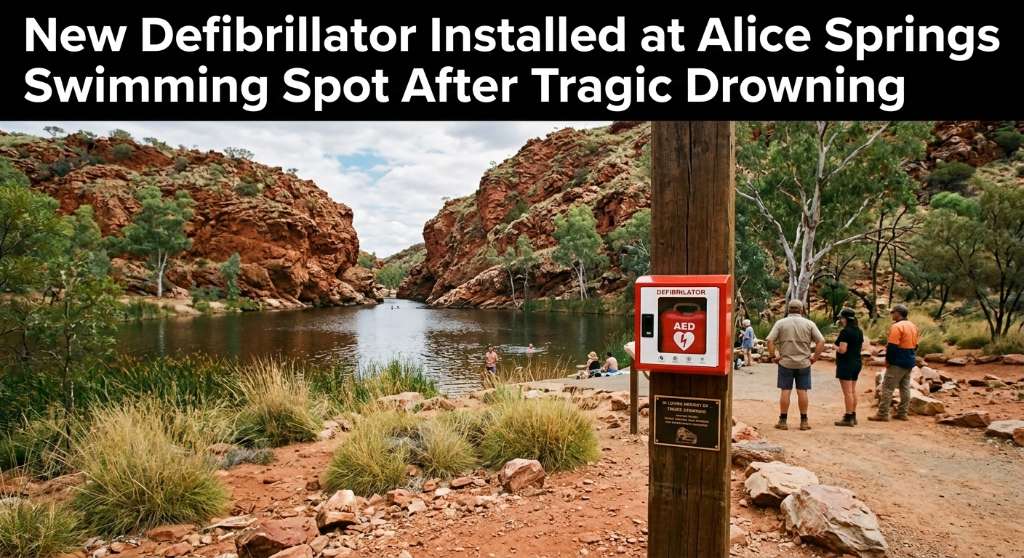
An automated external defibrillator and memorial plaque have been installed at Ellery Creek Big Hole following the death of disability advocate Ellen Fr...
Bathurst New South Wales · Community News · 17 Sep 2026
Kerry “Pecky” Peck, a long-standing Bathurst radio personality, has been inducted into the Bathurst Business Hall of Fame in recognition of his extensive contribution to the loc...
A new specialist family-violence support model has been introduced in Ballarat, with dedicated workers now embedded alongside Victoria Police to help people experiencing family...
Orange New South Wales · Community News · 17 Sep 2026
Orange City Council has elected a new Deputy Mayor for the next two years, with the decision announced today, 17 September 2026. The council said the election took place during...
Queensland's emerging football prospects are coming together for a three-day Brisbane Lions State Academy showcase, giving young players an opportunity...
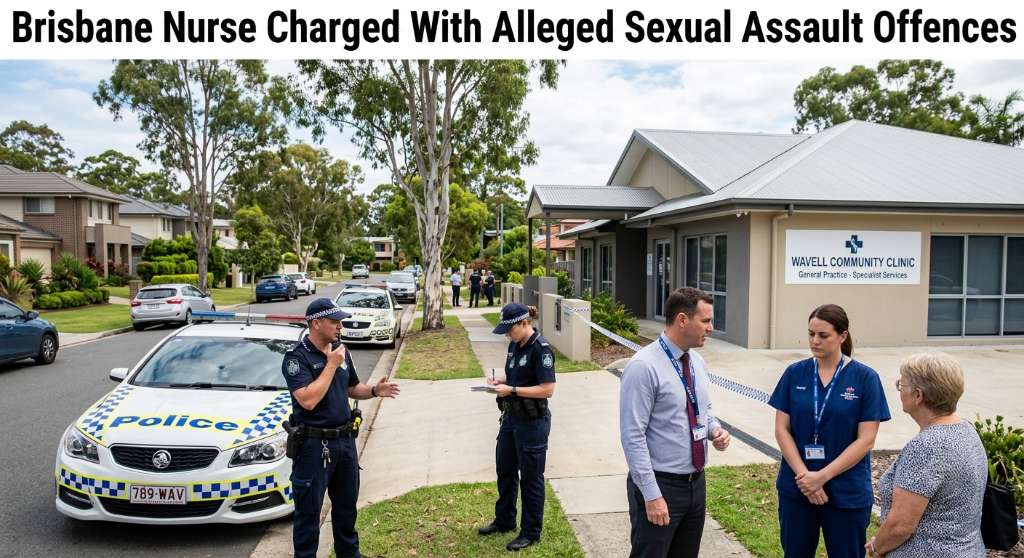
A Wavell Heights enrolled nurse has been charged with four counts of alleged sexual assault and one count of wilful exposure, with his professional regi...
A 24-year-old Carina Heights man has been charged with 36 offences following an investigation into alleged break-ins, vehicle offences and other propert...
Cairns Regional Council has unanimously voted to seek $400,000 in Queensland Government funding for a program designed to connect local businesses with the region’s growing film...
An automated external defibrillator and memorial plaque have been installed at Ellery Creek Big Hole following the death of disability advocate Ellen Fr...
Queensland firefighters spent several hours monitoring a significant grass fire at Mary Kinross Park in Bargara, near Bundaberg, after the blaze broke out on Wednesday evening....