Safety note: Admin approval is an initial review, not a guarantee that every detail is correct. Check important or urgent claims with official sources and report anything inaccurate or unsafe.
Source and credit: Contributor's own report
Sydney Airport Flights Disrupted by Air Traffic Controller Shortage - Sydney, NSW
Smart summary
Flight delays and cancellations affected Sydney Airport passengers on Friday morning after staffing shortages prompted temporary air-traffic management measures.
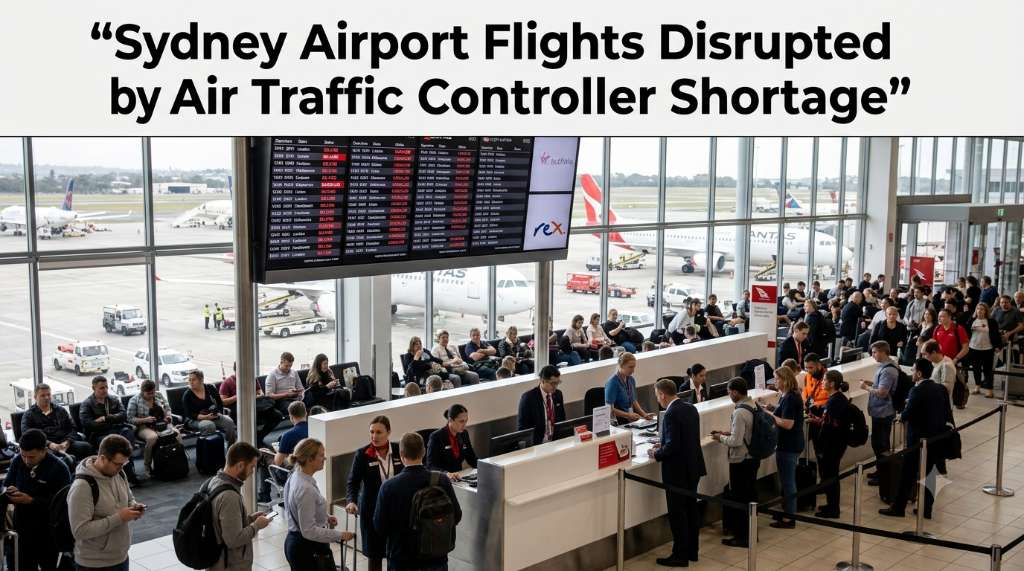
Passengers travelling through Sydney Airport faced delays and flight cancellations on Friday morning after a shortage of air traffic controllers disrupted normal operations. The disruption affected both domestic and international services, creating delays for travellers during a busy period of airport activity.
Air traffic management measures were introduced to reduce pressure on the airport’s operations and maintain safe aircraft movements. The restrictions were linked to roster and staffing constraints affecting the availability of air traffic controllers. Six flights were cancelled during the disruption, while a number of other services experienced delays.
The temporary measures were lifted during the morning after authorities worked to stabilise operations. However, some delays continued after the restrictions were removed as aircraft and passengers were gradually moved through the airport network.
The incident has renewed attention on staffing levels within Australia’s air traffic control system. Air traffic controllers play a critical role in managing aircraft movements around major airports, particularly during periods when large numbers of flights are arriving and departing. When staffing levels are reduced, flight movements can be adjusted to ensure that aircraft continue to operate safely.
Sydney Airport has previously experienced disruptions connected to air traffic management difficulties, making staffing and fatigue issues an increasingly important concern for the aviation sector. Authorities are continuing to examine recent operational problems and are working on measures intended to improve staffing resilience.
The latest disruption also comes amid investigations into several recent aviation safety incidents involving aircraft operating around Sydney. Safety investigators are examining whether there are common factors behind a series of incidents reported over a relatively short period.
For passengers, the disruption means some services may continue to run behind schedule even after normal air traffic management has resumed. Travellers have been advised to check the latest flight information with their airline before heading to the airport and to allow additional time for possible delays.
The situation highlights the importance of maintaining adequate air traffic control staffing, particularly at one of Australia’s busiest airports. While temporary restrictions can help protect aviation safety during staffing shortages, extended disruptions can create significant consequences for airlines, passengers and airport operations.
Authorities are expected to continue working on recruitment, staffing and operational measures designed to reduce the likelihood of similar disruptions in the future. For Friday’s travellers, however, the immediate priority remains managing the remaining delays and helping affected passengers reach their destinations as services return to normal.
TrafficAirportStaffingDelaysWere
Passengers travelling through Sydney Airport faced delays and flight cancellations on Friday morning after a shortage of air traffic controllers disrupted normal operations. The disruption affected both domestic and international services, creating delays for travellers during a busy period of airport activity.
Air traffic management measures were introduced to reduce pressure on the airport’s operations and maintain safe aircraft movements. The restrictions were linked to roster and staffing constraints affecting the availability of air traffic controllers. Six flights were cancelled during the disruption, while a number of other services experienced delays.
The temporary measures were lifted during the morning after authorities worked to stabilise operations. However, some delays continued after the restrictions were removed as aircraft and passengers were gradually moved through the airport network.
The incident has renewed attention on staffing levels within Australia’s air traffic control system. Air traffic controllers play a critical role in managing aircraft movements around major airports, particularly during periods when large numbers of flights are arriving and departing. When staffing levels are reduced, flight movements can be adjusted to ensure that aircraft continue to operate safely.
Sydney Airport has previously experienced disruptions connected to air traffic management difficulties, making staffing and fatigue issues an increasingly important concern for the aviation sector. Authorities are continuing to examine recent operational problems and are working on measures intended to improve staffing resilience.
The latest disruption also comes amid investigations into several recent aviation safety incidents involving aircraft operating around Sydney. Safety investigators are examining whether there are common factors behind a series of incidents reported over a relatively short period.
For passengers, the disruption means some services may continue to run behind schedule even after normal air traffic management has resumed. Travellers have been advised to check the latest flight information with their airline before heading to the airport and to allow additional time for possible delays.
The situation highlights the importance of maintaining adequate air traffic control staffing, particularly at one of Australia’s busiest airports. While temporary restrictions can help protect aviation safety during staffing shortages, extended disruptions can create significant consequences for airlines, passengers and airport operations.
Authorities are expected to continue working on recruitment, staffing and operational measures designed to reduce the likelihood of similar disruptions in the future. For Friday’s travellers, however, the immediate priority remains managing the remaining delays and helping affected passengers reach their destinations as services return to normal.
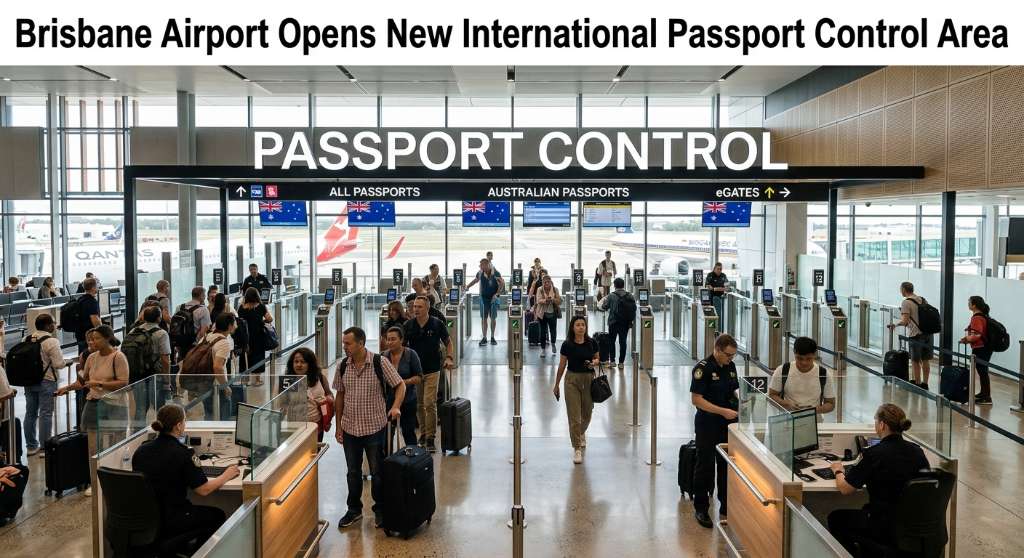
A new 12-lane passport control facility has opened at Brisbane Airport as the airport prepares for more than 1.8 million passengers during the September...
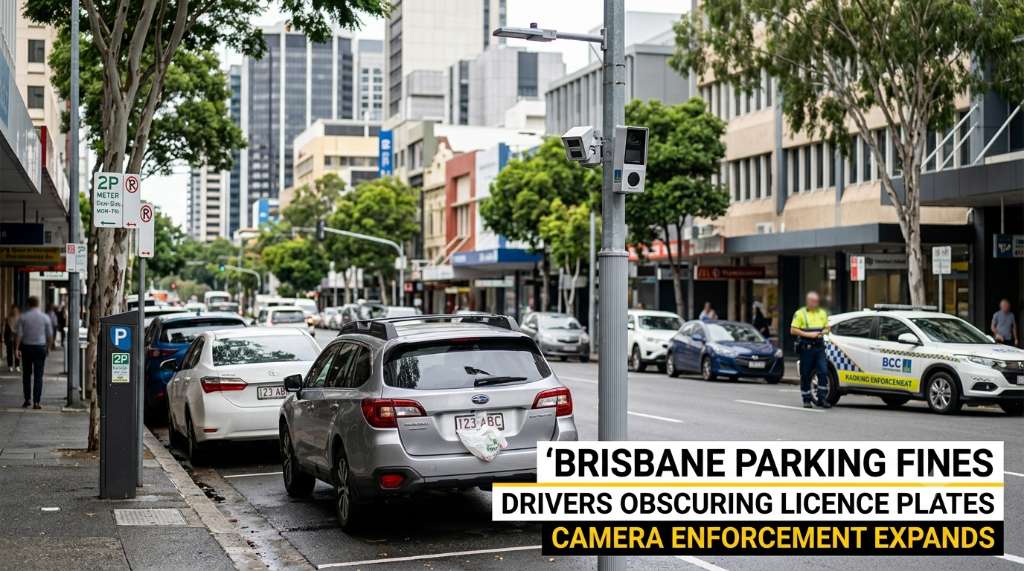
Some Brisbane motorists are covering their licence plates to avoid automatic parking enforcement cameras as council fines approach $35 million this year.
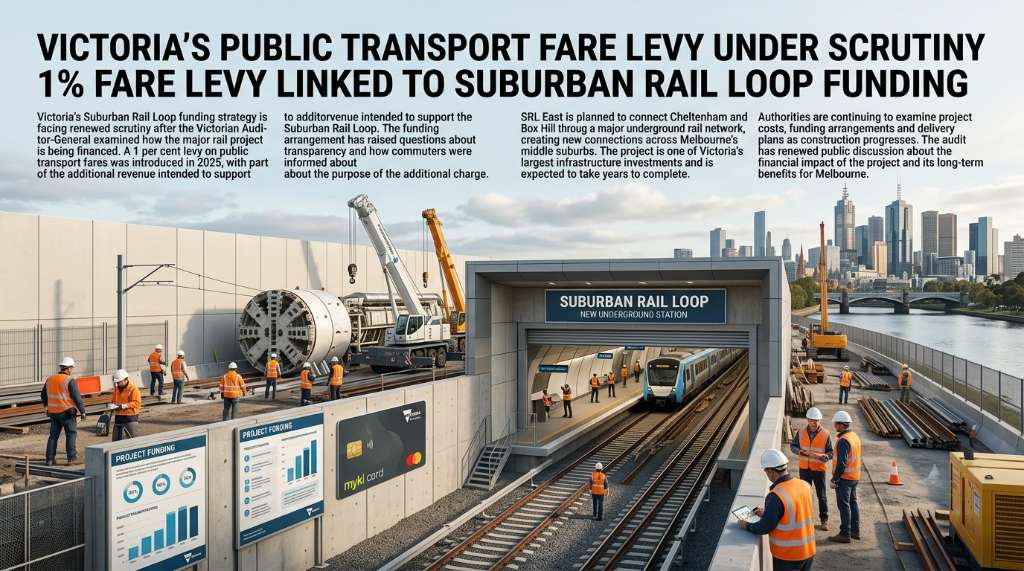
The Victorian Auditor-General says a 1% public transport fare levy introduced in 2025 was not publicly disclosed as part of the funding strategy for the...
A 36-year-old man has been charged after investigators allegedly found fraudulent identification documents, cloned number plates, cash and drug-manufact...
A Sydney court has heard that a man sent 249 messages to a former partner within 24 hours, with the messages treated as a single alleged breach of an ap...
A high-profile athlete has returned to court and told the hearing that an alleged unwanted kiss by former broadcaster Alan Jones remained difficult to f...
Work on the $150 million Sydney Town Hall Square project has been paused after the NSW Planning Minister referred the development for review by the Inde...
Cairns Regional Council has unanimously voted to seek $400,000 in Queensland Government funding for a program designed to connect local businesses with the region’s growing film...
An automated external defibrillator and memorial plaque have been installed at Ellery Creek Big Hole following the death of disability advocate Ellen Fr...
Queensland firefighters spent several hours monitoring a significant grass fire at Mary Kinross Park in Bargara, near Bundaberg, after the blaze broke out on Wednesday evening....