Safety note: Admin approval is an initial review, not a guarantee that every detail is correct. Check important or urgent claims with official sources and report anything inaccurate or unsafe.
Source and credit: Contributor's own report
Teen Tells Court of Impact From Explicit Deepfake Images - Adelaide, SA
Smart summary
A South Australian teenager has told a court about the lasting impact of sexually explicit deepfake images created and shared without her consent.
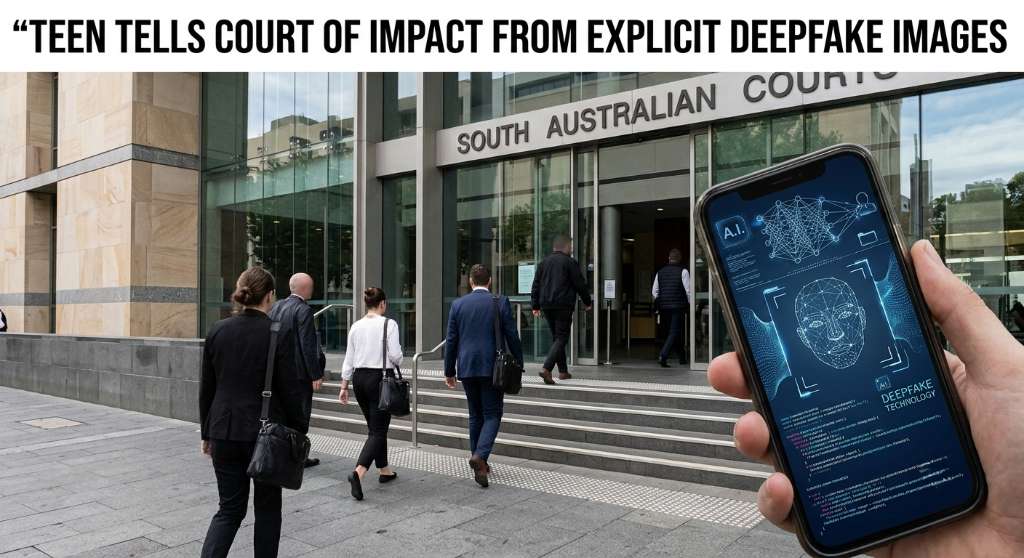
A young South Australian woman has spoken in court about the lasting impact of sexually explicit deepfake images that were created and shared online without her consent. The woman, now 19, gave a victim impact statement during a pre-sentence hearing in the South Australian District Court on 22 September 2026.
The court heard that William Hamish Yeates, 20, created sexually explicit deepfake images and videos involving the victim between October 2024 and February 2025. The material was then shared online. Yeates previously pleaded guilty to two offences involving the creation or alteration of sexual material without consent.
The case is significant because Yeates is the first person in Australia to be charged under federal laws introduced in 2024 to address the creation and distribution of sexually explicit deepfake material without consent. The laws were introduced as technology capable of producing highly realistic artificial images and videos became increasingly accessible.
During the hearing, the young woman explained that although the images were digitally fabricated, discovering them online had a serious personal impact. She told the court that one of her genuine graduation photographs had been taken and incorporated into altered material before appearing on a pornography website.
The victim said seeing the photograph in that context was particularly distressing because the original image represented an important personal achievement. She described the experience as changing the way she viewed a photograph that had previously been associated with positive memories.
The woman was supported in court by more than a dozen family members and friends. In her statement, she said she had experienced a very difficult period after discovering what had happened but wanted to make clear that responsibility for the offending did not belong to her.
The court also heard an apology from Yeates. His defence barrister provided information about his background and circumstances as the court considers an appropriate sentence. Yeates is due to be sentenced in October.
The case demonstrates some of the challenges created by rapidly developing artificial-intelligence image technology. Deepfake tools can manipulate photographs and create realistic-looking material without the knowledge or permission of the person depicted. Once such material is uploaded online, it can also be copied and redistributed.
Australian laws have increasingly addressed the use of technology to create non-consensual sexual material. The federal offences involved in this case specifically address the creation or alteration of sexual material without consent.
The proceedings also highlight the difference between an image being digitally fabricated and the consequences experienced by the person whose identity or likeness has been used. While the material may not depict an actual event, victims can still experience reputational, emotional and social consequences when fabricated content is circulated.
The South Australian District Court will consider the circumstances of the offending and other evidence before determining the sentence. Until that process is completed, the charges and guilty pleas remain part of the court proceedings.
The case is being closely watched because it represents one of the early Australian prosecutions under the newer deepfake laws and provides an example of how courts are dealing with offences involving artificial intelligence and non-consensual sexual material.
CourtMaterialDeepfakeImagesWithout
A young South Australian woman has spoken in court about the lasting impact of sexually explicit deepfake images that were created and shared online without her consent. The woman, now 19, gave a victim impact statement during a pre-sentence hearing in the South Australian District Court on 22 September 2026.
The court heard that William Hamish Yeates, 20, created sexually explicit deepfake images and videos involving the victim between October 2024 and February 2025. The material was then shared online. Yeates previously pleaded guilty to two offences involving the creation or alteration of sexual material without consent.
The case is significant because Yeates is the first person in Australia to be charged under federal laws introduced in 2024 to address the creation and distribution of sexually explicit deepfake material without consent. The laws were introduced as technology capable of producing highly realistic artificial images and videos became increasingly accessible.
During the hearing, the young woman explained that although the images were digitally fabricated, discovering them online had a serious personal impact. She told the court that one of her genuine graduation photographs had been taken and incorporated into altered material before appearing on a pornography website.
The victim said seeing the photograph in that context was particularly distressing because the original image represented an important personal achievement. She described the experience as changing the way she viewed a photograph that had previously been associated with positive memories.
The woman was supported in court by more than a dozen family members and friends. In her statement, she said she had experienced a very difficult period after discovering what had happened but wanted to make clear that responsibility for the offending did not belong to her.
The court also heard an apology from Yeates. His defence barrister provided information about his background and circumstances as the court considers an appropriate sentence. Yeates is due to be sentenced in October.
The case demonstrates some of the challenges created by rapidly developing artificial-intelligence image technology. Deepfake tools can manipulate photographs and create realistic-looking material without the knowledge or permission of the person depicted. Once such material is uploaded online, it can also be copied and redistributed.
Australian laws have increasingly addressed the use of technology to create non-consensual sexual material. The federal offences involved in this case specifically address the creation or alteration of sexual material without consent.
The proceedings also highlight the difference between an image being digitally fabricated and the consequences experienced by the person whose identity or likeness has been used. While the material may not depict an actual event, victims can still experience reputational, emotional and social consequences when fabricated content is circulated.
The South Australian District Court will consider the circumstances of the offending and other evidence before determining the sentence. Until that process is completed, the charges and guilty pleas remain part of the court proceedings.
The case is being closely watched because it represents one of the early Australian prosecutions under the newer deepfake laws and provides an example of how courts are dealing with offences involving artificial intelligence and non-consensual sexual material.
Homicide Squad detectives are investigating the death of an eight-month-old girl in Redan, Ballarat, after emergency services were called to a property on Leith Street on Sunday...
A 17-year-old has been sentenced to two years and nine months in detention for his role in a violent home invasion in Melbourne's east that left a man w...
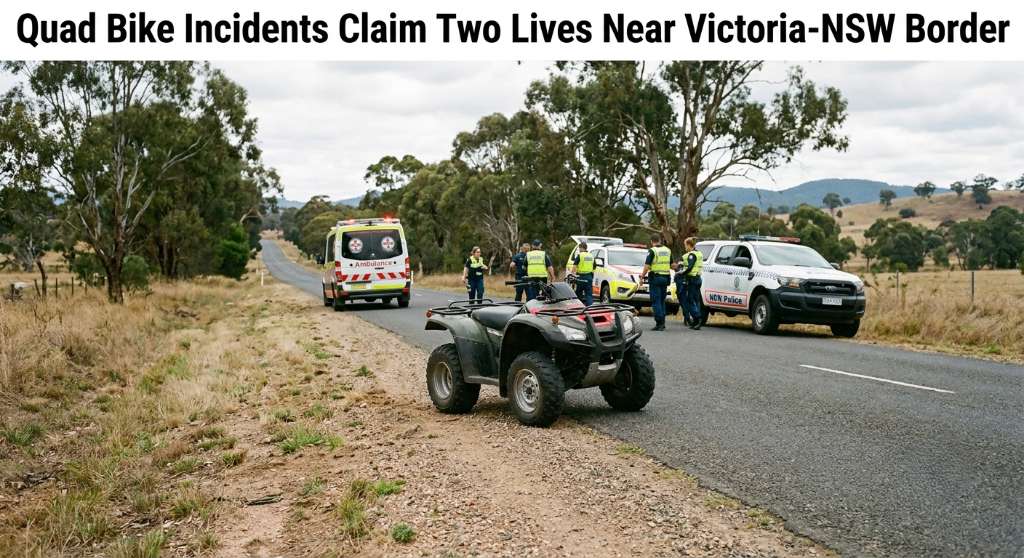
A 42-year-old man has died after a quad bike crash near Wodonga, while another fatal quad bike incident was recorded in regional New South Wales within...
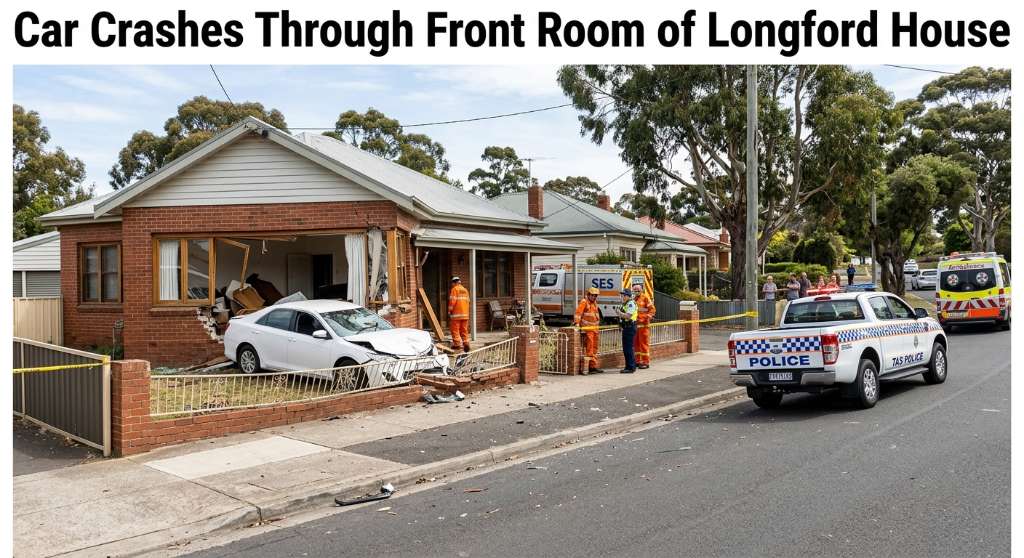
Two people were taken to hospital after a white Honda crashed through the front room of a house in Longford, northern Tasmania, with no one inside the h...
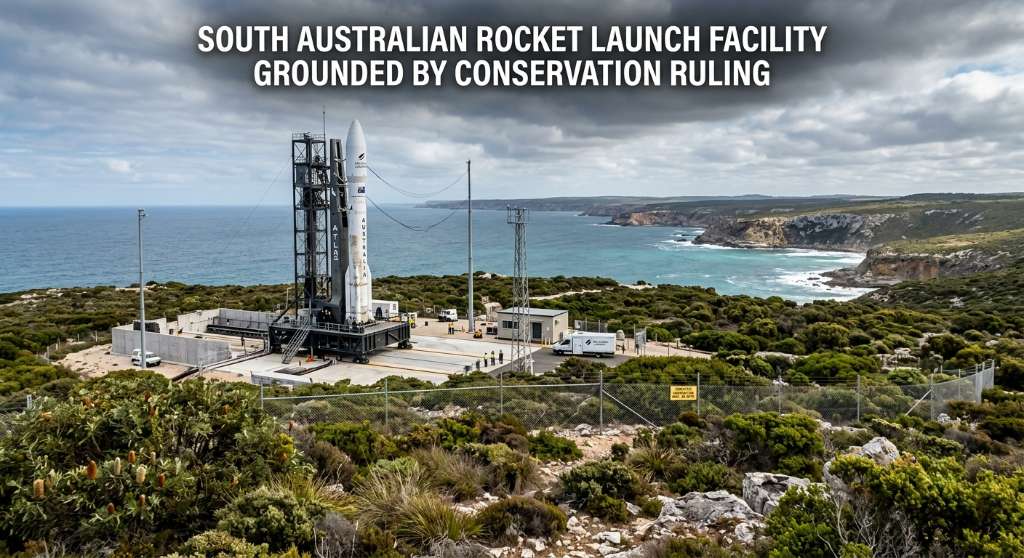
A proposed rocket launch facility near Port Lincoln has been put on hold after South Australia's Native Vegetation Council rejected an application to al...
A South Australian inquest is examining how a woman with an intellectual disability died without accessing the $75,000 in NDIS funding she had been appr...
Sixteen-year-old Xavier Cain from Mount Gambier is preparing to compete against some of the world's leading simulator racers in the 2026 Porsche e Sports...
Homicide Squad detectives are investigating the death of an eight-month-old girl in Redan, Ballarat, after emergency services were called to a property on Leith Street on Sunday...
Hamilton in western Victoria has become the location of Specsavers’ 400th Australian store, with the new regional outlet officially opening as the company expands its eye-care s...
A 17-year-old has been sentenced to two years and nine months in detention for his role in a violent home invasion in Melbourne's east that left a man w...
A 42-year-old woman has been charged with murder and attempted murder after three children were found with stab wounds at Valley Heights in the Blue Mou...