Safety note: Admin approval is an initial review, not a guarantee that every detail is correct. Check important or urgent claims with official sources and report anything inaccurate or unsafe.
Source and credit: Contributor's own report
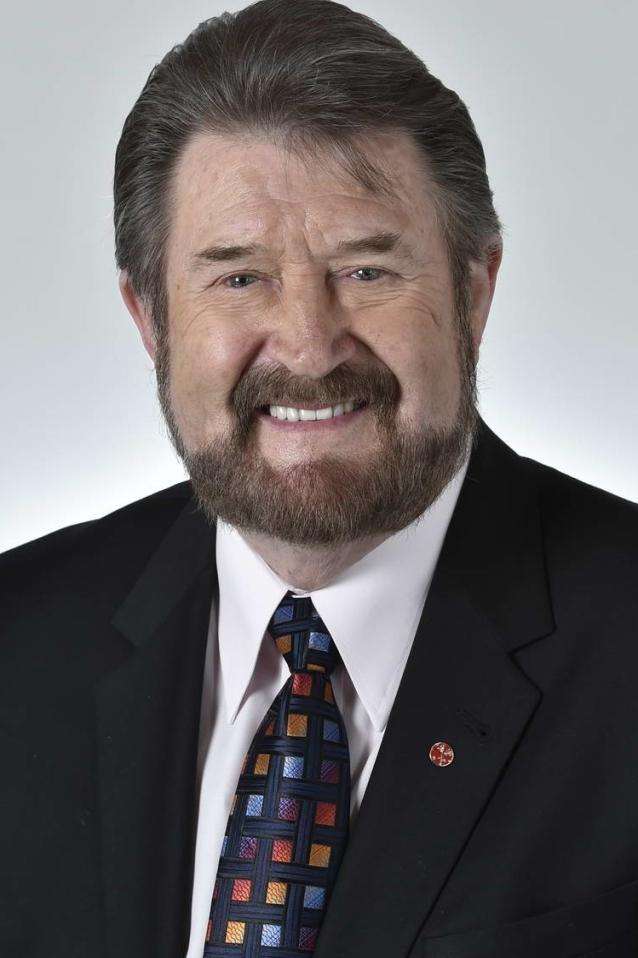
Veteran broadcaster and former senator Derryn Hinch dies aged 82 - Melbourne, VIC
Smart summary
Australian media personality, broadcaster and former senator Derryn Hinch has died peacefully in his sleep at the age of 82, ending a remarkable career that spanned journalism, radio, television and federal politics.
Australian journalism has lost one of its most recognisable and controversial figures, with veteran broadcaster, journalist and former senator Derryn Hinch passing away peacefully in his sleep at the age of 82. His death was confirmed on 10 July 2026, prompting tributes from colleagues, politicians and media organisations across the country.
Born in New Plymouth, New Zealand, Hinch began his journalism career as a teenager before moving to Australia, where he became one of the country's best-known media personalities. Over more than five decades, he worked as a newspaper editor, foreign correspondent, radio presenter, television host and political commentator, earning the nickname "The Human Headline" for his outspoken style and relentless pursuit of stories.
Hinch became a household name through Melbourne radio station 3AW and later hosted his own current affairs television program, Hinch, which aired nationally during the late 1980s and early 1990s. His distinctive presentation style, catchphrases including "That's Life" and "Shame, shame, shame," and willingness to challenge authority made him one of Australia's most influential—and polarising—broadcasting figures.
Throughout his career, Hinch was frequently involved in legal controversies stemming from his determination to identify convicted child sex offenders despite court suppression orders. He was convicted of contempt of court on multiple occasions and served periods in prison and home detention, arguing that public safety justified his actions. Those cases became defining moments in debates about freedom of the press, victims' rights and Australia's contempt laws.
After decades in the media, Hinch entered politics by founding Derryn Hinch's Justice Party in 2015. He was elected as a Victorian senator at the 2016 federal election and served in the Australian Senate until 2019. During his parliamentary career, he advocated for tougher sentencing, stronger protections for victims of crime, parole reform and greater transparency regarding serious offenders.
Hinch also spoke openly about his personal health struggles. In 2007 he revealed he had liver cancer and later underwent a liver transplant, becoming a passionate advocate for organ donation. Despite numerous health challenges in later life, he continued writing, broadcasting and commenting on public affairs.
Tributes poured in following news of his death. Former colleagues described him as fearless, provocative and an extraordinary storyteller who understood how to connect with audiences. Entertainment reporter Peter Ford said Hinch had lived "an extraordinary life and career," while many former listeners remembered his ability to hold powerful people accountable and spark national debate.
Although opinions about Hinch were often sharply divided, there is broad agreement that he left a lasting mark on Australian media and politics. His influence extended beyond broadcasting into public policy, justice reform and discussions about journalism's role in serving the public interest. His legacy will be remembered as one of Australia's most distinctive voices—uncompromising, controversial and impossible to ignore.
HinchCareerFormerMediaBecame
Australian journalism has lost one of its most recognisable and controversial figures, with veteran broadcaster, journalist and former senator Derryn Hinch passing away peacefully in his sleep at the age of 82. His death was confirmed on 10 July 2026, prompting tributes from colleagues, politicians and media organisations across the country.
Born in New Plymouth, New Zealand, Hinch began his journalism career as a teenager before moving to Australia, where he became one of the country's best-known media personalities. Over more than five decades, he worked as a newspaper editor, foreign correspondent, radio presenter, television host and political commentator, earning the nickname "The Human Headline" for his outspoken style and relentless pursuit of stories.
Hinch became a household name through Melbourne radio station 3AW and later hosted his own current affairs television program, Hinch, which aired nationally during the late 1980s and early 1990s. His distinctive presentation style, catchphrases including "That's Life" and "Shame, shame, shame," and willingness to challenge authority made him one of Australia's most influential—and polarising—broadcasting figures.
Throughout his career, Hinch was frequently involved in legal controversies stemming from his determination to identify convicted child sex offenders despite court suppression orders. He was convicted of contempt of court on multiple occasions and served periods in prison and home detention, arguing that public safety justified his actions. Those cases became defining moments in debates about freedom of the press, victims' rights and Australia's contempt laws.
After decades in the media, Hinch entered politics by founding Derryn Hinch's Justice Party in 2015. He was elected as a Victorian senator at the 2016 federal election and served in the Australian Senate until 2019. During his parliamentary career, he advocated for tougher sentencing, stronger protections for victims of crime, parole reform and greater transparency regarding serious offenders.
Hinch also spoke openly about his personal health struggles. In 2007 he revealed he had liver cancer and later underwent a liver transplant, becoming a passionate advocate for organ donation. Despite numerous health challenges in later life, he continued writing, broadcasting and commenting on public affairs.
Tributes poured in following news of his death. Former colleagues described him as fearless, provocative and an extraordinary storyteller who understood how to connect with audiences. Entertainment reporter Peter Ford said Hinch had lived "an extraordinary life and career," while many former listeners remembered his ability to hold powerful people accountable and spark national debate.
Although opinions about Hinch were often sharply divided, there is broad agreement that he left a lasting mark on Australian media and politics. His influence extended beyond broadcasting into public policy, justice reform and discussions about journalism's role in serving the public interest. His legacy will be remembered as one of Australia's most distinctive voices—uncompromising, controversial and impossible to ignore.
The Federal Government is preparing new measures targeting temporary visas, visa overstayers, international students and visa-hopping, while maintaining...
One Nation’s proposed major reduction in migration has triggered warnings that a sharp cut to population growth could weaken Australia’s economy and cre...
New workplace data shows staff absenteeism jumped sharply during the historic MCG NFL event, while Melbourne businesses also benefited from a major spen...
Cairns Regional Council has unanimously voted to seek $400,000 in Queensland Government funding for a program designed to connect local businesses with the region’s growing film...
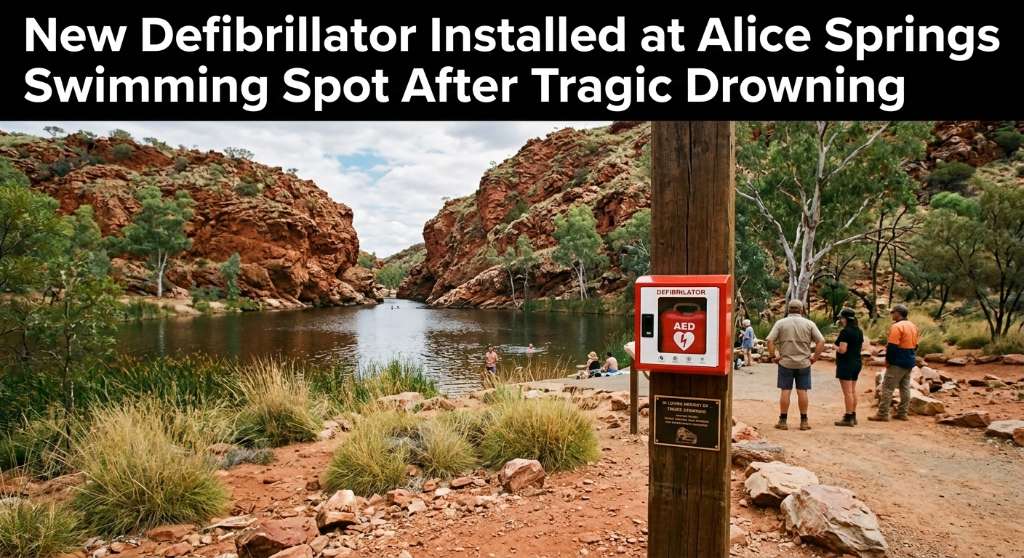
An automated external defibrillator and memorial plaque have been installed at Ellery Creek Big Hole following the death of disability advocate Ellen Fr...
Queensland firefighters spent several hours monitoring a significant grass fire at Mary Kinross Park in Bargara, near Bundaberg, after the blaze broke out on Wednesday evening....