Victorian Antiques Dealer Fined $10,000 After More Than 700 Dead Animals Found
By Chloe · Published 21 Oct 2026 · Updated 21 Oct 2026
Kyneton, VIC
Safety note: Admin approval is an initial review, not a guarantee that every detail is correct. Check important or urgent claims with official sources and report anything inaccurate or unsafe.
Source and credit: Contributor's own report
Victorian Antiques Dealer Fined $10,000 After More Than 700 Dead Animals Found - Kyneton, VIC
Smart summary
A 74-year-old man has been fined after investigators discovered hundreds of frozen and taxidermied animals, including protected and threatened wildlife, at his home and antiques business.
A man from Kyneton, in central Victoria, has been fined $10,000 after pleading guilty to 13 wildlife and animal-welfare offences following an investigation into the illegal possession and trade of wildlife.
Glenn Richard Rollo, 74, was sentenced in Kyneton Magistrates’ Court on Tuesday, 20 October 2026. The case became public on Wednesday after the Australian Broadcasting Corporation reported details of the investigation and the court’s decision.
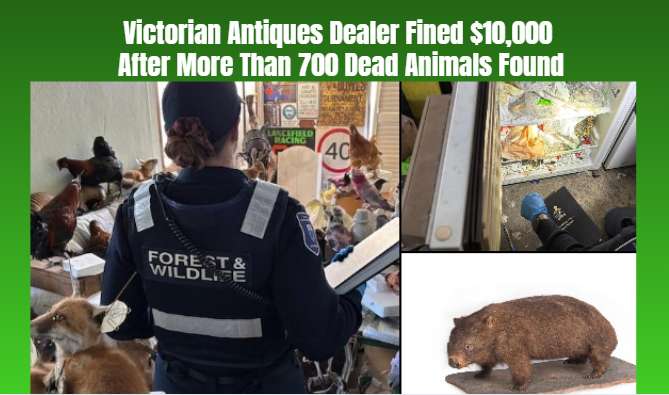
Investigators found more than 700 dead animals at Rollo’s home and antiques business during searches conducted in 2025. The collection included taxidermied specimens and frozen animal remains, raising concerns about the unlawful possession and sale of protected wildlife.
What did investigators discover? The Conservation Regulator conducted the investigation as part of a broader operation targeting suspected illegal wildlife trade.
Among the animals discovered were 78 emus, 42 brushtail possums and 26 echidnas. Investigators also found remains of threatened species, including barking owls, diamond pythons and Murray River short-necked turtles.
The investigation uncovered 15 live reptiles as well. These included native snakes and turtles, alongside North American red-eared slider turtles and corn snakes, which are prohibited pest animals in Victoria and cannot be kept without the appropriate authorisation.
Authorities also found concerns about the conditions in which some animals were being kept. The offences were not limited to possession: the charges included selling protected wildlife without authorisation and failing to provide appropriate care for an unwell animal.
The court’s decision Rollo pleaded guilty to 13 charges involving protected and threatened wildlife, animal welfare and the keeping of animals in unsuitable enclosures.
The magistrate imposed a $10,000 fine. The court was told that a $15,000 fine would have been imposed had Rollo not pleaded guilty.
The case has prompted criticism from wildlife advocates, who argue that the penalty does not adequately reflect the scale of the discovery. Georgie Purcel, a Victorian Animal Justice Party MP who lives near the antiques business, said the case had horrified local residents and renewed questions about the strength of wildlife-protection laws. Why wildlife laws matter Victoria’s wildlife laws regulate the possession, sale and care of native animals to help prevent illegal exploitation and protect threatened species. These rules also establish standards for the treatment and housing of animals held in captivity.
Conservation Regulator director of regulatory operations Cal Heppell said people who keep or trade wildlife must comply with the law. Authorities have emphasised that permits and animal-welfare requirements are essential safeguards, rather than optional obligations.
The investigation illustrates the challenges facing regulators when large collections of wildlife are held privately or offered for sale. It also highlights the importance of reporting suspected illegal wildlife trading and ensuring animals are kept under appropriate conditions.
WildlifeAnimalsInvestigationAlsoAnimal
A man from Kyneton, in central Victoria, has been fined $10,000 after pleading guilty to 13 wildlife and animal-welfare offences following an investigation into the illegal possession and trade of wildlife.
Glenn Richard Rollo, 74, was sentenced in Kyneton Magistrates’ Court on Tuesday, 20 October 2026. The case became public on Wednesday after the Australian Broadcasting Corporation reported details of the investigation and the court’s decision.
Investigators found more than 700 dead animals at Rollo’s home and antiques business during searches conducted in 2025. The collection included taxidermied specimens and frozen animal remains, raising concerns about the unlawful possession and sale of protected wildlife.
What did investigators discover? The Conservation Regulator conducted the investigation as part of a broader operation targeting suspected illegal wildlife trade.
Among the animals discovered were 78 emus, 42 brushtail possums and 26 echidnas. Investigators also found remains of threatened species, including barking owls, diamond pythons and Murray River short-necked turtles.
The investigation uncovered 15 live reptiles as well. These included native snakes and turtles, alongside North American red-eared slider turtles and corn snakes, which are prohibited pest animals in Victoria and cannot be kept without the appropriate authorisation.
Authorities also found concerns about the conditions in which some animals were being kept. The offences were not limited to possession: the charges included selling protected wildlife without authorisation and failing to provide appropriate care for an unwell animal.
The court’s decision Rollo pleaded guilty to 13 charges involving protected and threatened wildlife, animal welfare and the keeping of animals in unsuitable enclosures.
The magistrate imposed a $10,000 fine. The court was told that a $15,000 fine would have been imposed had Rollo not pleaded guilty.
The case has prompted criticism from wildlife advocates, who argue that the penalty does not adequately reflect the scale of the discovery. Georgie Purcel, a Victorian Animal Justice Party MP who lives near the antiques business, said the case had horrified local residents and renewed questions about the strength of wildlife-protection laws. Why wildlife laws matter Victoria’s wildlife laws regulate the possession, sale and care of native animals to help prevent illegal exploitation and protect threatened species. These rules also establish standards for the treatment and housing of animals held in captivity.
Conservation Regulator director of regulatory operations Cal Heppell said people who keep or trade wildlife must comply with the law. Authorities have emphasised that permits and animal-welfare requirements are essential safeguards, rather than optional obligations.
The investigation illustrates the challenges facing regulators when large collections of wildlife are held privately or offered for sale. It also highlights the importance of reporting suspected illegal wildlife trading and ensuring animals are kept under appropriate conditions.
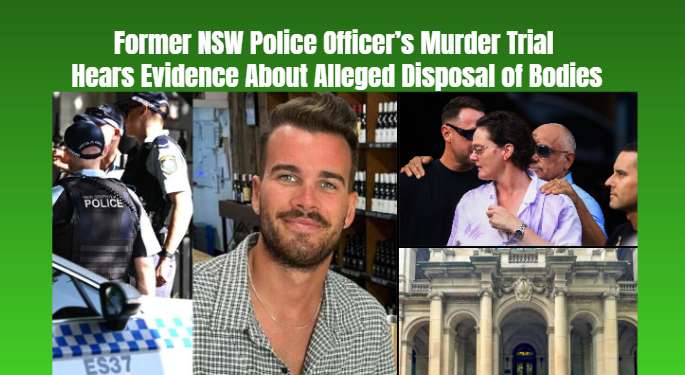
A court has heard evidence from a friend of former police officer Beau Lamarre-Condon during his trial over the alleged murders of Jesse Baird and Luke...
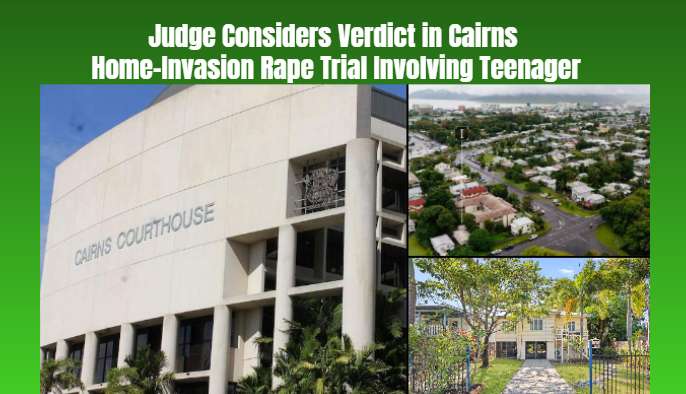
A Queensland judge is considering whether a teenager who allegedly held a man at knifepoint during a home invasion is criminally responsible for rapes c...
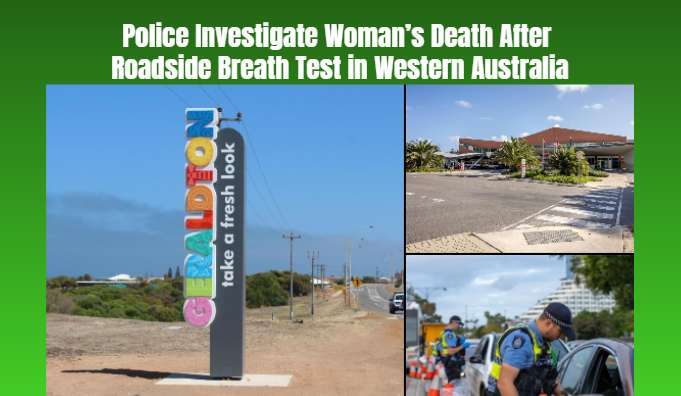
A woman in her 50s died in hospital after experiencing a medical emergency shortly after a roadside breath test in Mount Tarcoola. Western Australia Pol...
Police arrested a 56-year-old man after an alleged disturbance at state MP Hannah Beazley’s electorate office in Victoria Park, Perth. Officers said the...
A 30-year-old man has been committed to stand trial over an alleged assault that left a 60-year-old woman with multiple serious injuries after a dispute...
A last-minute Supreme Court injunction has halted plans to remove a large fig tree at Rex Smeal Park in Port Douglas after a local resident gathered mor...
Newly released government documents show Tasmania was warned it might not recover the full value of a $20 million taxpayer-funded loan to the now-closed...
Sudden hail has damaged crops in parts of Australia just as farmers prepare for an important harvest season, raising concerns about crop quality and pot...
A court has heard evidence from a friend of former police officer Beau Lamarre-Condon during his trial over the alleged murders of Jesse Baird and Luke...
A Queensland judge is considering whether a teenager who allegedly held a man at knifepoint during a home invasion is criminally responsible for rapes c...
Queensland Corrective Services is reviewing an incident after an Indigenous woman in custody was allegedly restrained in hospital following a caesarean...
A woman in her 50s died in hospital after experiencing a medical emergency shortly after a roadside breath test in Mount Tarcoola. Western Australia Pol...