Safety note: Admin approval is an initial review, not a guarantee that every detail is correct. Check important or urgent claims with official sources and report anything inaccurate or unsafe.
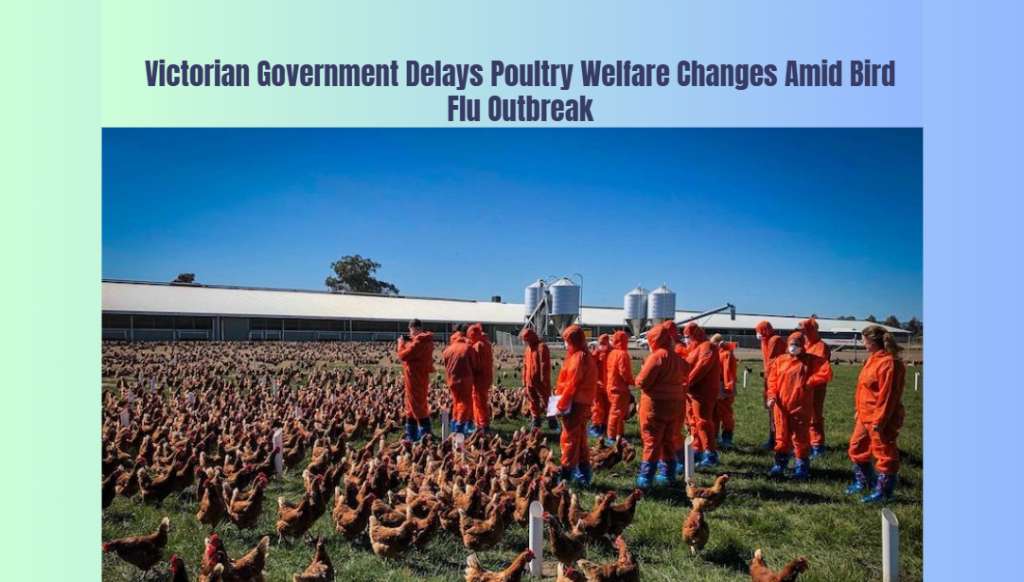
Victoria has delayed tougher poultry and caged-egg regulations by 12 months as authorities and producers respond to the spread of H5N1 bird flu across the state.
The Victorian Government has delayed the introduction of stricter poultry and egg-production regulations by 12 months, with the changes now expected to take effect in the middle of 2027. The decision comes as Victoria continues to manage an outbreak of H5N1 bird flu affecting poultry operations across the state.
The new poultry welfare requirements had been scheduled to begin during 2026. They form part of a broader plan to phase out conventional laying cages by 2036, following national animal-welfare standards agreed to in 2023. Under the revised timetable, producers will have additional time before the tougher requirements for new cages are implemented.
Victoria's Agriculture Minister Michaela Settle said the delay would give poultry producers more time to prepare for the new regulations while dealing with the bird flu outbreak. The government said poultry businesses currently need to focus on biosecurity measures and preventing the virus from spreading into or between poultry operations.
The Victorian Farmers Federation's egg group president, Brian Ahmed, welcomed the delay. He said poultry farmers had not been sufficiently consulted about some of the proposed regulations and argued that the additional time would allow farmers and government representatives to discuss the changes further. These comments represent the federation's position rather than an independent assessment of the proposed rules.
The Victorian Government has stated that the 12-month delay does not change its commitment to phasing out conventional, unfurnished cages by 2036. The government says the delay is intended to allow producers, industry representatives and authorities to concentrate on bird-flu prevention while continuing work on updated poultry welfare standards.
The bird-flu situation remains a major issue for Victoria's poultry industry. According to the latest report, the state has recorded nearly 200 H5 bird-flu events since the first confirmed case in Portland in July. Poultry producers in southern and coastal parts of Victoria with flocks of at least 50 birds have been required to keep their birds indoors to reduce the risk of contact with wild animals.
The indoor housing order has been extended several times and is currently scheduled to remain in place until the middle of October. The restrictions are part of broader biosecurity measures being used while authorities monitor the spread of H5N1.
The delayed welfare regulations are therefore occurring alongside ongoing disease-control measures. For consumers, farmers and the poultry industry, the coming months will involve continued monitoring of bird-flu activity while the government prepares for the revised 2027 timetable.
PoultryGovernmentBeenBird-FluDelay
The Victorian Government has delayed the introduction of stricter poultry and egg-production regulations by 12 months, with the changes now expected to take effect in the middle of 2027. The decision comes as Victoria continues to manage an outbreak of H5N1 bird flu affecting poultry operations across the state.
The new poultry welfare requirements had been scheduled to begin during 2026. They form part of a broader plan to phase out conventional laying cages by 2036, following national animal-welfare standards agreed to in 2023. Under the revised timetable, producers will have additional time before the tougher requirements for new cages are implemented.
Victoria's Agriculture Minister Michaela Settle said the delay would give poultry producers more time to prepare for the new regulations while dealing with the bird flu outbreak. The government said poultry businesses currently need to focus on biosecurity measures and preventing the virus from spreading into or between poultry operations.
The Victorian Farmers Federation's egg group president, Brian Ahmed, welcomed the delay. He said poultry farmers had not been sufficiently consulted about some of the proposed regulations and argued that the additional time would allow farmers and government representatives to discuss the changes further. These comments represent the federation's position rather than an independent assessment of the proposed rules.
The Victorian Government has stated that the 12-month delay does not change its commitment to phasing out conventional, unfurnished cages by 2036. The government says the delay is intended to allow producers, industry representatives and authorities to concentrate on bird-flu prevention while continuing work on updated poultry welfare standards.
The bird-flu situation remains a major issue for Victoria's poultry industry. According to the latest report, the state has recorded nearly 200 H5 bird-flu events since the first confirmed case in Portland in July. Poultry producers in southern and coastal parts of Victoria with flocks of at least 50 birds have been required to keep their birds indoors to reduce the risk of contact with wild animals.
The indoor housing order has been extended several times and is currently scheduled to remain in place until the middle of October. The restrictions are part of broader biosecurity measures being used while authorities monitor the spread of H5N1.
The delayed welfare regulations are therefore occurring alongside ongoing disease-control measures. For consumers, farmers and the poultry industry, the coming months will involve continued monitoring of bird-flu activity while the government prepares for the revised 2027 timetable.
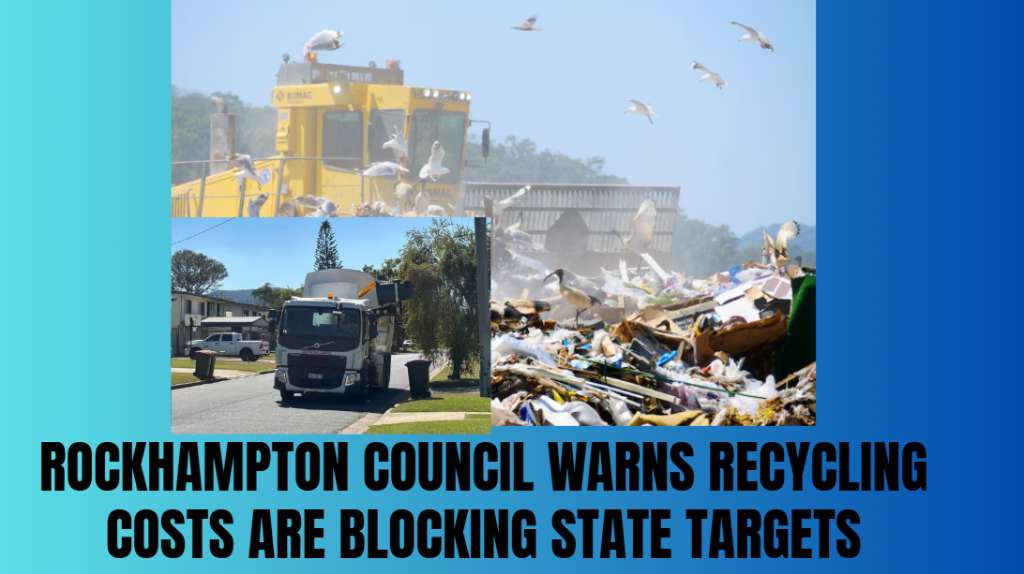
Rockhampton Regional Council says the rising cost of transporting recyclable waste hundreds of kilometres is making it difficult to meet Queensland's re...
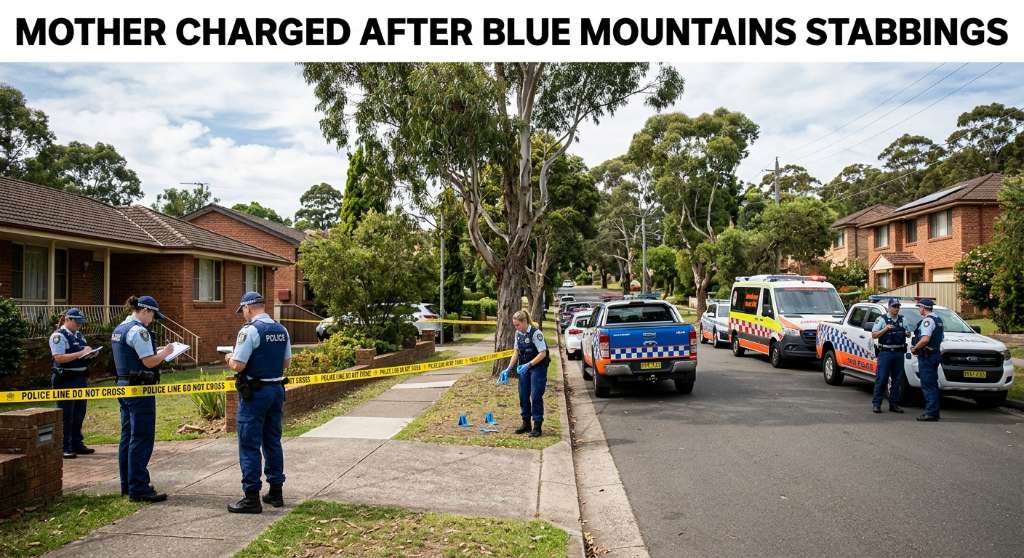
A 42-year-old woman has been charged with murder and attempted murder after three children were found with stab wounds at Valley Heights in the Blue Mou...
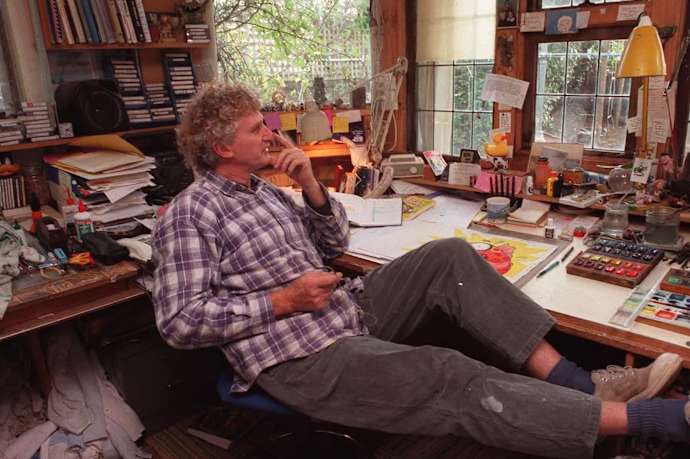
Australian children's author and illustrator Terry Denton, best known for his long-running creative partnership on the popular Treehouse books, has died...
Construction has begun on a new purpose-built ambulance station at Caves Beach in Lake Macquarie, with the facility expected to strengthen emergency med...
Rose Tattoo frontman Gary “Angry” Anderson has died at 79 after a five-decade career spanning Australian rock music, television, film and youth advocacy.
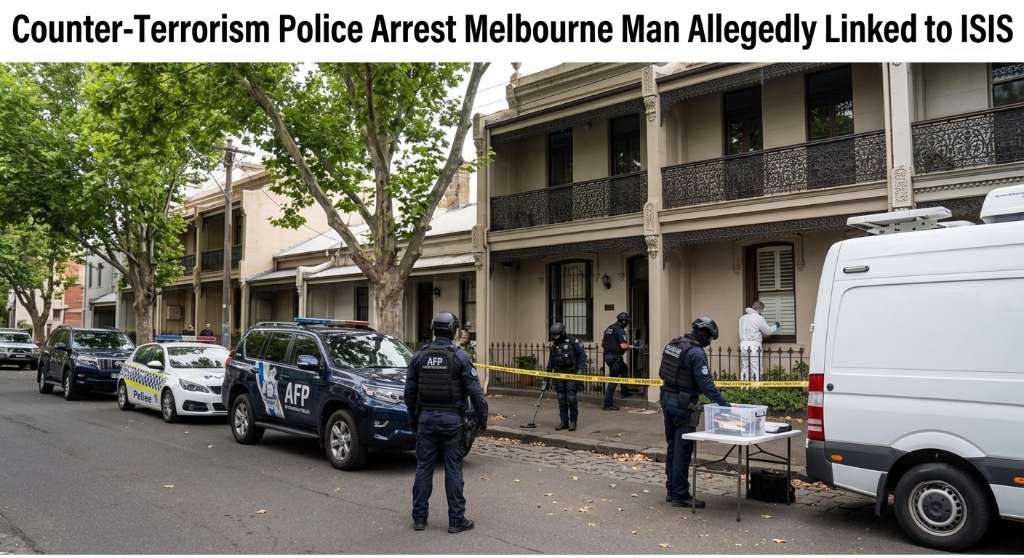
A 65-year-old Melbourne man has been arrested by counter-terrorism police, who allege he pledged allegiance to ISIS and distributed thousands of violent...
A 17-year-old has been sentenced to two years and nine months in detention for his role in a violent home invasion in Melbourne's east that left a man w...
Australian children's author and illustrator Terry Denton, best known for his long-running creative partnership on the popular Treehouse books, has died...
A firearms expert has told a court that a gun presented as evidence in the murder investigation involving two Australian brothers and their American fri...
Australian shoppers and small businesses are preparing for changes to card-payment surcharges, with new Reserve Bank rules due to take effect from Octob...
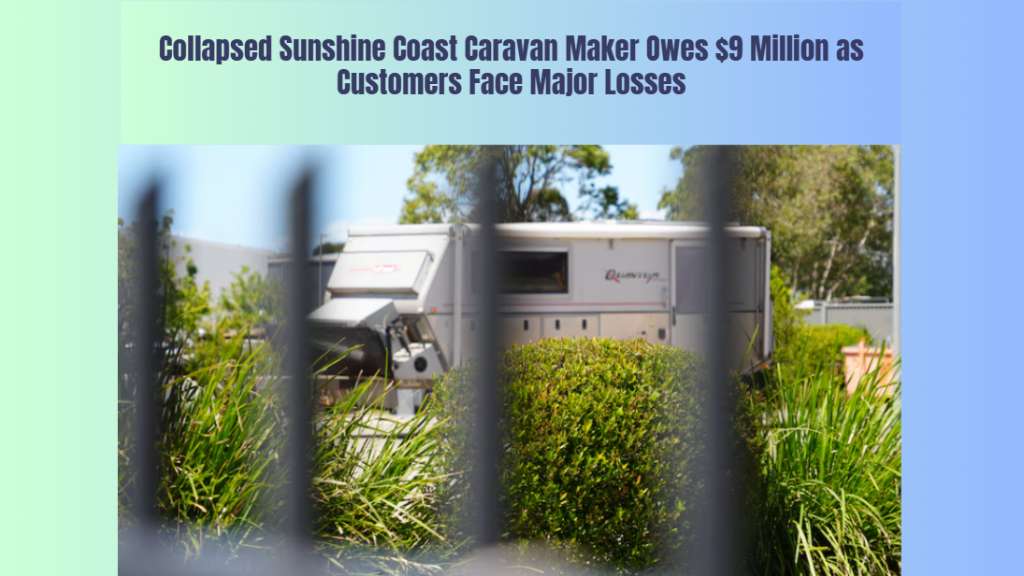
Administrators have revealed Australian Off Road owes about $9 million after the Sunshine Coast caravan manufacturer collapsed, leaving customers, emplo...