Safety note: Admin approval is an initial review, not a guarantee that every detail is correct. Check important or urgent claims with official sources and report anything inaccurate or unsafe.
Source and credit: Contributor's own report
Wangaratta council agrees to exit direct aged-care service delivery - Wangaratta, VIC
Smart summary
Rural City of Wangaratta has approved a plan to end its direct delivery of aged-care programs following consultation with stakeholders.
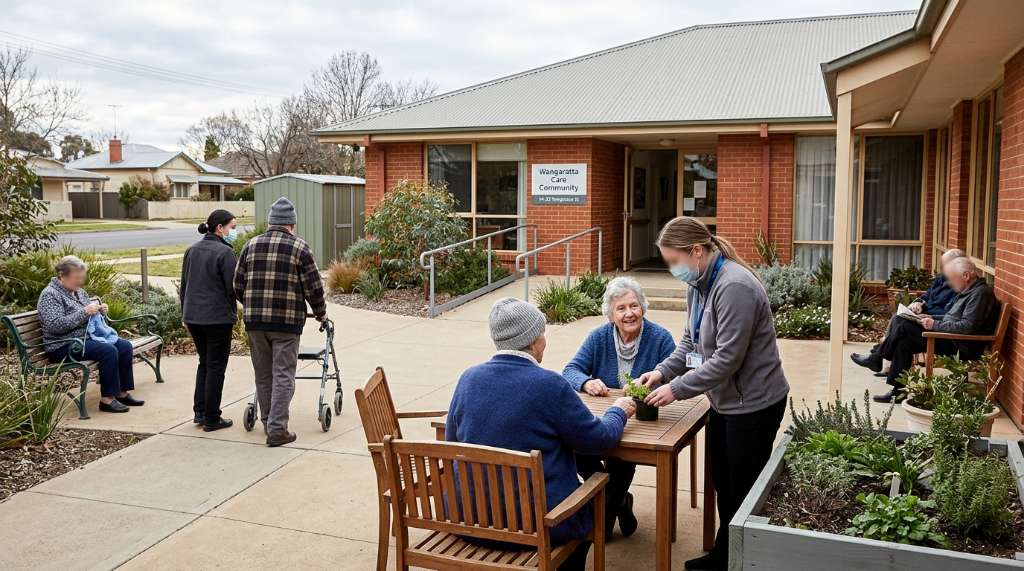
The Rural City of Wangaratta Council has agreed to exit the direct delivery of aged-care programs following consultation with stakeholders, according to local reporting published on 10 August 2026. The decision represents a change in how some aged-care services will be delivered to older residents in the Wangaratta community.
The council's decision follows a period of consultation with stakeholders about the future delivery of aged-care services. The change means council will no longer directly provide the affected programs itself, with future arrangements expected to involve alternative service providers.
Aged-care services are particularly important in regional communities such as Wangaratta, where older residents can rely on local support to remain independent and connected to their community. Changes to service delivery therefore have implications not only for council operations but also for residents who currently use or depend on these programs.
The decision comes as local governments across Australia continue to reassess their role in delivering community and aged-care services. Changes to government funding arrangements and the broader aged-care system have encouraged councils to review whether they should continue providing services directly or transition responsibilities to specialist providers.
For Wangaratta residents, the transition process will be important because continuity of care and support will need to be considered as the council changes its role. Older residents and their families may need clear information about who will provide services in the future, how existing arrangements will change and when the transition will occur.
Council consultation with stakeholders provides an opportunity to identify concerns and consider the practical effects of the change. Staff, service users, families and community organisations can all have different perspectives on how aged-care services should operate.
The decision does not necessarily mean that aged-care support will disappear from Wangaratta. Instead, it concerns who is responsible for directly delivering the programs. Future service arrangements can potentially involve organisations that specialise in aged care and community support.
The change is also relevant to council resources and responsibilities. By exiting direct service delivery, council can redirect its organisational focus and resources toward its other local-government responsibilities, while specialist providers take on the delivery of aged-care services.
For the local community, the key issue will be ensuring that residents continue to have access to appropriate support during and after the transition.
The Wangaratta Chronicle identified the council's decision as a current local news development on 10 August 2026, making it distinct from older stories about the region.
I have not counted the Mount Buller tree accident as a second Wangaratta story, because the actual incident occurred at Mount Buller and Wangaratta was involved only because the injured driver was transported to Wangaratta Hospital. This aged-care decision is physically and administratively connected to Wangaratta itself.
Aged-CareWangarattaCouncilWillServices
The Rural City of Wangaratta Council has agreed to exit the direct delivery of aged-care programs following consultation with stakeholders, according to local reporting published on 10 August 2026. The decision represents a change in how some aged-care services will be delivered to older residents in the Wangaratta community.
The council's decision follows a period of consultation with stakeholders about the future delivery of aged-care services. The change means council will no longer directly provide the affected programs itself, with future arrangements expected to involve alternative service providers.
Aged-care services are particularly important in regional communities such as Wangaratta, where older residents can rely on local support to remain independent and connected to their community. Changes to service delivery therefore have implications not only for council operations but also for residents who currently use or depend on these programs.
The decision comes as local governments across Australia continue to reassess their role in delivering community and aged-care services. Changes to government funding arrangements and the broader aged-care system have encouraged councils to review whether they should continue providing services directly or transition responsibilities to specialist providers.
For Wangaratta residents, the transition process will be important because continuity of care and support will need to be considered as the council changes its role. Older residents and their families may need clear information about who will provide services in the future, how existing arrangements will change and when the transition will occur.
Council consultation with stakeholders provides an opportunity to identify concerns and consider the practical effects of the change. Staff, service users, families and community organisations can all have different perspectives on how aged-care services should operate.
The decision does not necessarily mean that aged-care support will disappear from Wangaratta. Instead, it concerns who is responsible for directly delivering the programs. Future service arrangements can potentially involve organisations that specialise in aged care and community support.
The change is also relevant to council resources and responsibilities. By exiting direct service delivery, council can redirect its organisational focus and resources toward its other local-government responsibilities, while specialist providers take on the delivery of aged-care services.
For the local community, the key issue will be ensuring that residents continue to have access to appropriate support during and after the transition.
The Wangaratta Chronicle identified the council's decision as a current local news development on 10 August 2026, making it distinct from older stories about the region.
I have not counted the Mount Buller tree accident as a second Wangaratta story, because the actual incident occurred at Mount Buller and Wangaratta was involved only because the injured driver was transported to Wangaratta Hospital. This aged-care decision is physically and administratively connected to Wangaratta itself.
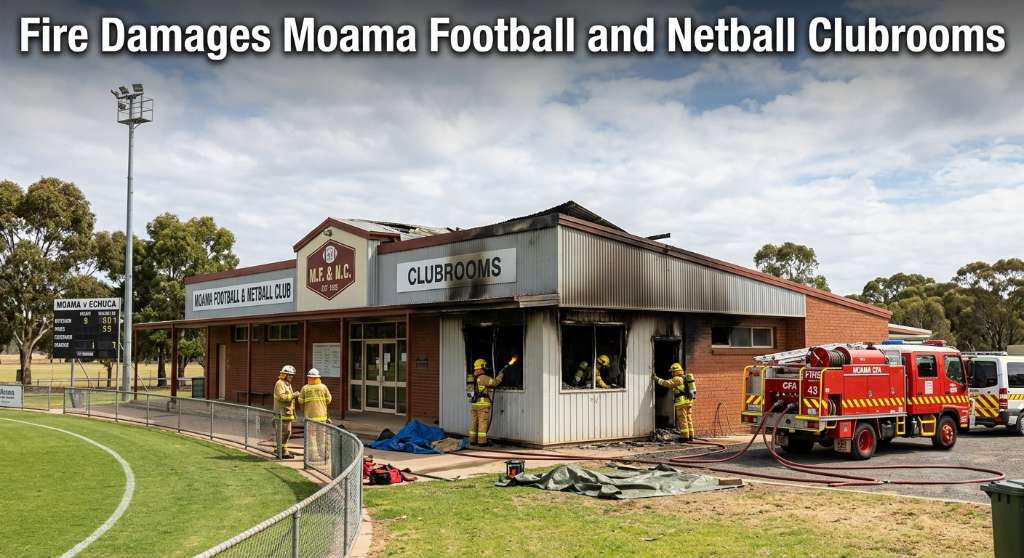
A fire damaged the Moama Football and Netball Club's social rooms during Saturday's grand final, forcing about 1,000 people to leave the building becaus...
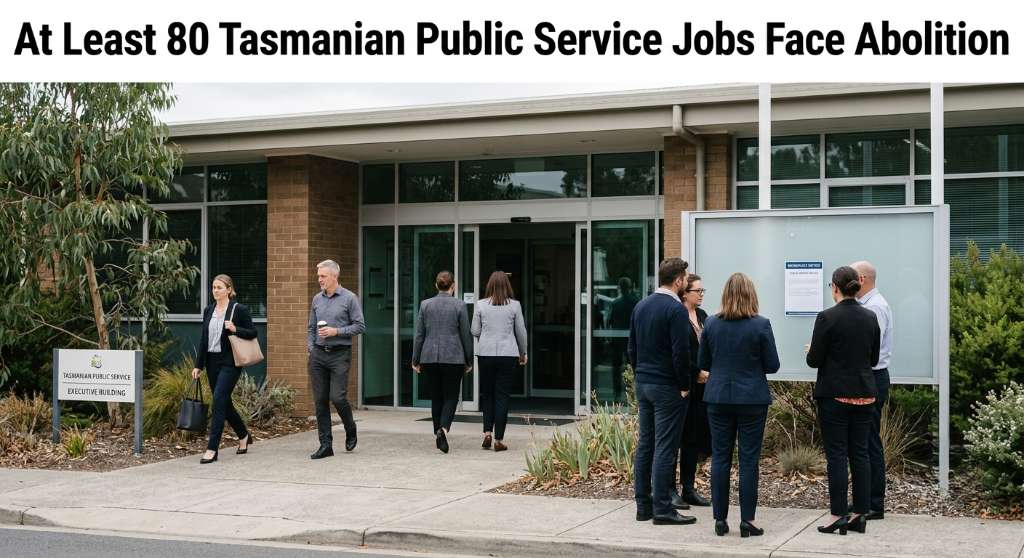
At least 80 positions have been identified for abolition as Tasmania restructures parts of its public service and works toward a broader reduction in go...
A local investor has purchased Brisbane's historic Coorparoo Bowls Club, with both bowling greens set to remain and the clubhouse planned for renovation.
A Bendigo-based migration agent has raised concerns about proposed changes to Australia’s migration system, saying the federal government’s planned reduction in net migration co...
Rose Tattoo frontman Gary “Angry” Anderson has died at 79 after a five-decade career spanning Australian rock music, television, film and youth advocacy.
A 65-year-old Melbourne man has been arrested by counter-terrorism police, who allege he pledged allegiance to ISIS and distributed thousands of violent...
A 17-year-old has been sentenced to two years and nine months in detention for his role in a violent home invasion in Melbourne's east that left a man w...
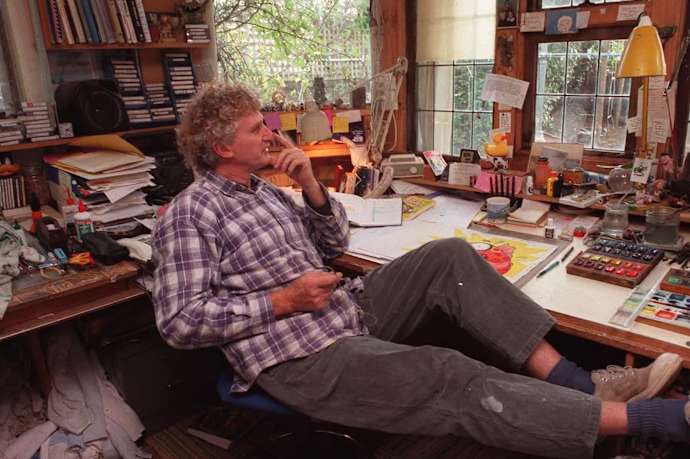
Australian children's author and illustrator Terry Denton, best known for his long-running creative partnership on the popular Treehouse books, has died...
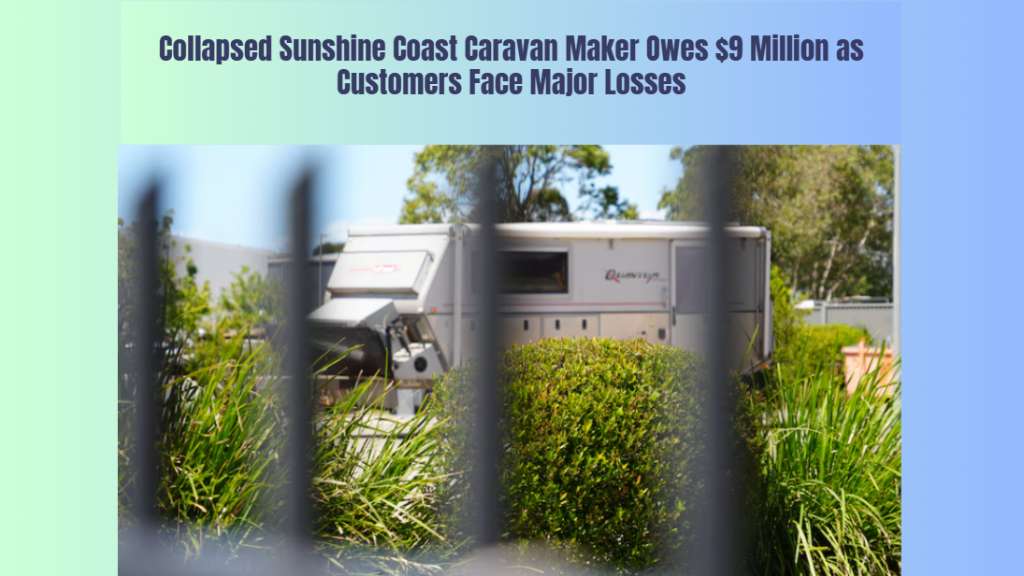
Administrators have revealed Australian Off Road owes about $9 million after the Sunshine Coast caravan manufacturer collapsed, leaving customers, emplo...
A woman has died following a serious three-vehicle collision involving a commercial bus and two cars in Glenburn, in Victoria’s Yarra Ranges, on Thursday, 24 September 2026. Eme...
A woman has died following a serious three-car collision in Leongatha, Victoria, on Wednesday afternoon, 23 September 2026. Emergency services were called to the Strzelecki High...
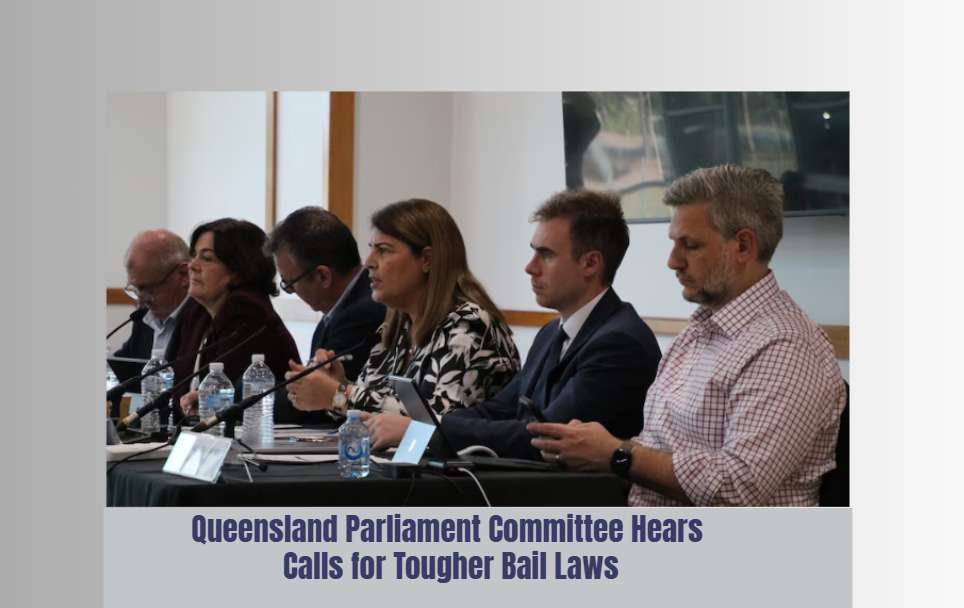
A Queensland parliamentary committee has completed regional hearings on proposed tougher bail laws, hearing from crime victims, legal experts and commun...