Safety note: Admin approval is an initial review, not a guarantee that every detail is correct. Check important or urgent claims with official sources and report anything inaccurate or unsafe.
Source and credit: Contributor's own report
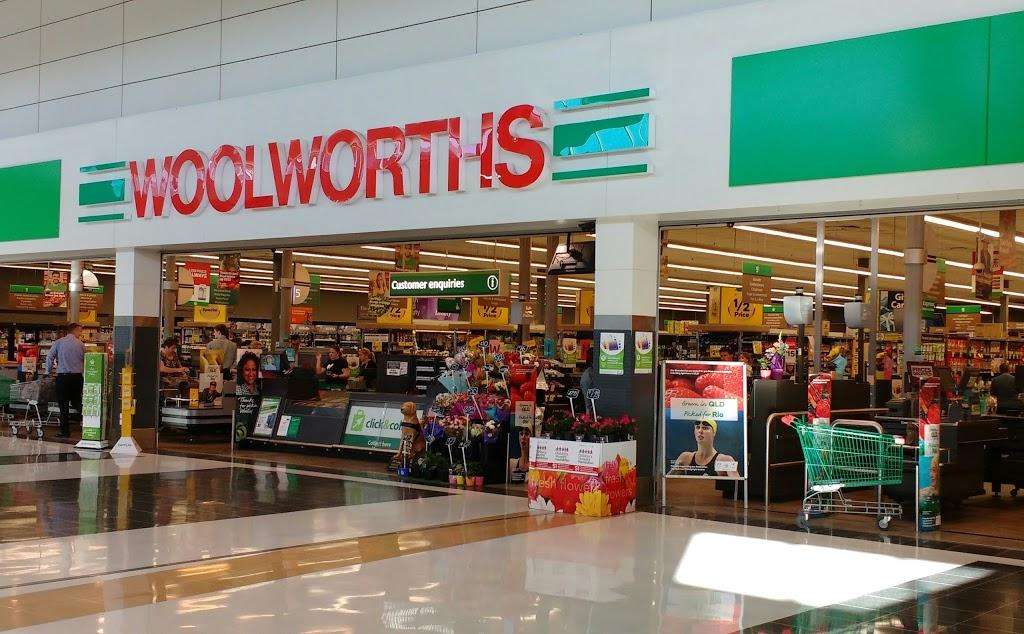
Why Australian airports are missing one thing travellers desperately want: affordable supermarkets - Sydney, NSW
Smart summary
A travel opinion argues that Australian airports need supermarkets, saying cheaper grocery options could improve the passenger experience and reduce high airport food prices.
Australian travellers are increasingly questioning why major airports lack affordable supermarket options, with a new opinion piece arguing that airports should provide everyday grocery choices instead of relying mainly on expensive cafes, convenience stores and specialty retailers.
The discussion highlights a common frustration among passengers who need food, drinks or basic travel items before flights. Many travellers say airport prices can be significantly higher than prices found at regular supermarkets, creating a feeling that passengers have limited choices once they pass through airport terminals.
The opinion compares airports with other high-cost environments, arguing that travellers often have to pay premium prices because competition inside terminals is limited. Simple items such as sandwiches, snacks and drinks can become much more expensive compared with identical products available at supermarkets outside airports.
Supporters of airport supermarkets believe they could provide several benefits. A supermarket-style store could allow passengers to purchase affordable meals, fresh food, bottled drinks, baby products, toiletries and other essentials without paying convenience-store prices.
The idea could also benefit families, international visitors and people travelling on long journeys. Parents travelling with children, for example, may need affordable snacks or supplies, while international travellers may appreciate access to familiar Australian grocery products.
Many airports around the world already provide grocery-style shopping options, including convenience supermarkets and food halls where passengers can buy everyday items. Advocates argue Australian airports could follow similar models to improve customer satisfaction.
However, airport operators face challenges when introducing supermarkets. Airport retail spaces are expensive, and businesses operating inside terminals often pay high rents and additional security-related costs. These expenses can influence the prices customers see.
The debate comes during a period when Australians are already facing cost-of-living pressures. Grocery prices and household expenses remain major concerns for many families, increasing sensitivity around paying higher prices for basic items.
The federal government has introduced new supermarket pricing rules aimed at addressing concerns about excessive pricing by very large supermarket operators, with the Australian Competition and Consumer Commission (ACCC) responsible for enforcement.
For travellers, the argument is not necessarily about replacing airport cafes and restaurants but about creating more choice. A mix of dining options, convenience stores and supermarket-style retailers could allow passengers to decide how much they want to spend.
Airport experiences have changed significantly over recent years, with travellers expecting more convenience, better services and greater value. Access to affordable food and essential items is becoming an important part of customer expectations.
The discussion about airport supermarkets reflects a wider question about how public transport spaces should balance commercial revenue with passenger needs.
As air travel continues to grow, the pressure on airports to provide affordable and convenient services is likely to increase. Whether Australian airports introduce more supermarket-style options remains to be seen, but the demand from travellers for cheaper choices continues to grow.
AirportsAirportTravellersPricesSupermarkets
Australian travellers are increasingly questioning why major airports lack affordable supermarket options, with a new opinion piece arguing that airports should provide everyday grocery choices instead of relying mainly on expensive cafes, convenience stores and specialty retailers.
The discussion highlights a common frustration among passengers who need food, drinks or basic travel items before flights. Many travellers say airport prices can be significantly higher than prices found at regular supermarkets, creating a feeling that passengers have limited choices once they pass through airport terminals.
The opinion compares airports with other high-cost environments, arguing that travellers often have to pay premium prices because competition inside terminals is limited. Simple items such as sandwiches, snacks and drinks can become much more expensive compared with identical products available at supermarkets outside airports.
Supporters of airport supermarkets believe they could provide several benefits. A supermarket-style store could allow passengers to purchase affordable meals, fresh food, bottled drinks, baby products, toiletries and other essentials without paying convenience-store prices.
The idea could also benefit families, international visitors and people travelling on long journeys. Parents travelling with children, for example, may need affordable snacks or supplies, while international travellers may appreciate access to familiar Australian grocery products.
Many airports around the world already provide grocery-style shopping options, including convenience supermarkets and food halls where passengers can buy everyday items. Advocates argue Australian airports could follow similar models to improve customer satisfaction.
However, airport operators face challenges when introducing supermarkets. Airport retail spaces are expensive, and businesses operating inside terminals often pay high rents and additional security-related costs. These expenses can influence the prices customers see.
The debate comes during a period when Australians are already facing cost-of-living pressures. Grocery prices and household expenses remain major concerns for many families, increasing sensitivity around paying higher prices for basic items.
The federal government has introduced new supermarket pricing rules aimed at addressing concerns about excessive pricing by very large supermarket operators, with the Australian Competition and Consumer Commission (ACCC) responsible for enforcement.
For travellers, the argument is not necessarily about replacing airport cafes and restaurants but about creating more choice. A mix of dining options, convenience stores and supermarket-style retailers could allow passengers to decide how much they want to spend.
Airport experiences have changed significantly over recent years, with travellers expecting more convenience, better services and greater value. Access to affordable food and essential items is becoming an important part of customer expectations.
The discussion about airport supermarkets reflects a wider question about how public transport spaces should balance commercial revenue with passenger needs.
As air travel continues to grow, the pressure on airports to provide affordable and convenient services is likely to increase. Whether Australian airports introduce more supermarket-style options remains to be seen, but the demand from travellers for cheaper choices continues to grow.
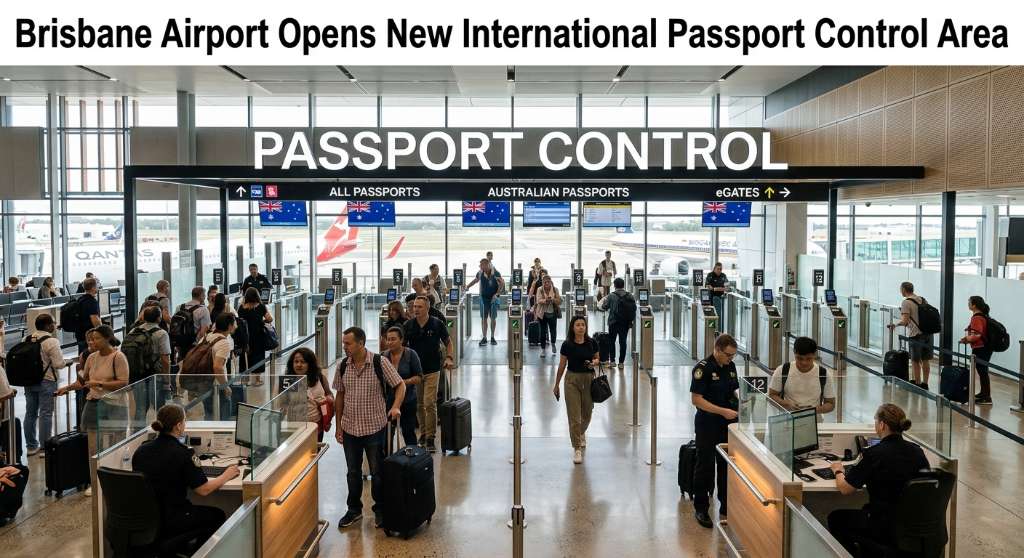
A new 12-lane passport control facility has opened at Brisbane Airport as the airport prepares for more than 1.8 million passengers during the September...
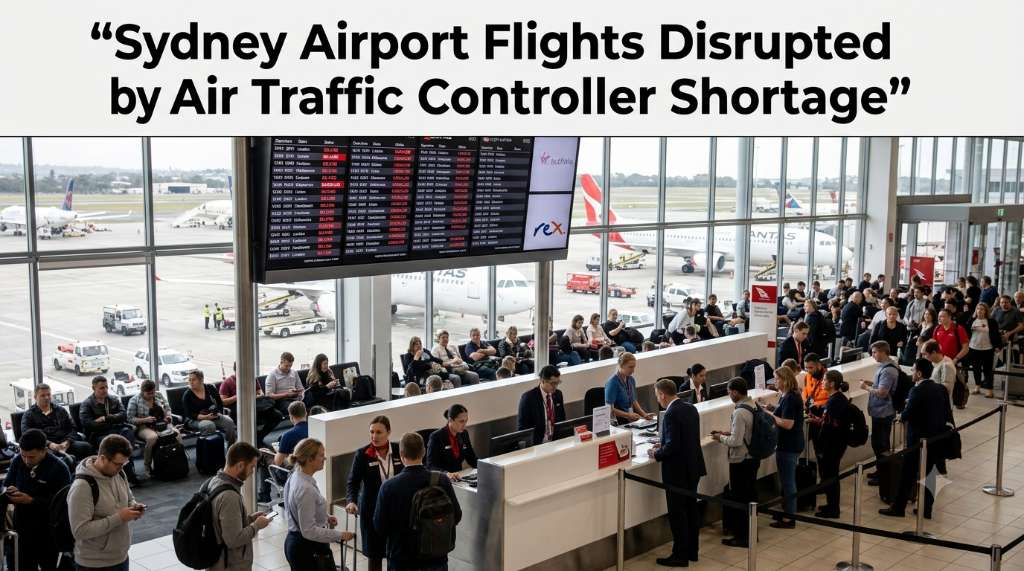
Flight delays and cancellations affected Sydney Airport passengers on Friday morning after staffing shortages prompted temporary air-traffic management...
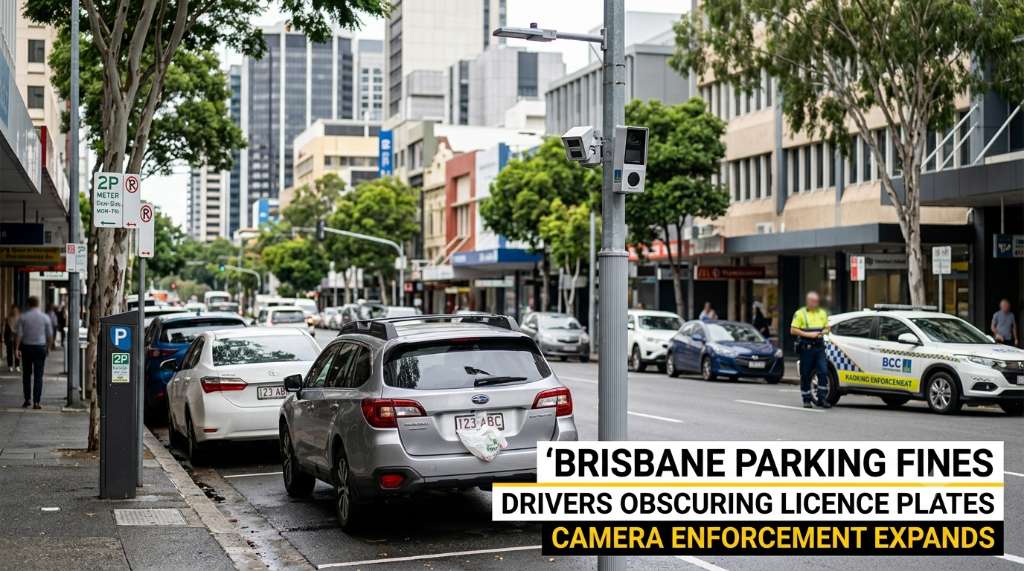
Some Brisbane motorists are covering their licence plates to avoid automatic parking enforcement cameras as council fines approach $35 million this year.
A 36-year-old man has been charged after investigators allegedly found fraudulent identification documents, cloned number plates, cash and drug-manufact...
A Sydney court has heard that a man sent 249 messages to a former partner within 24 hours, with the messages treated as a single alleged breach of an ap...
A high-profile athlete has returned to court and told the hearing that an alleged unwanted kiss by former broadcaster Alan Jones remained difficult to f...
Work on the $150 million Sydney Town Hall Square project has been paused after the NSW Planning Minister referred the development for review by the Inde...
Cairns Regional Council has unanimously voted to seek $400,000 in Queensland Government funding for a program designed to connect local businesses with the region’s growing film...
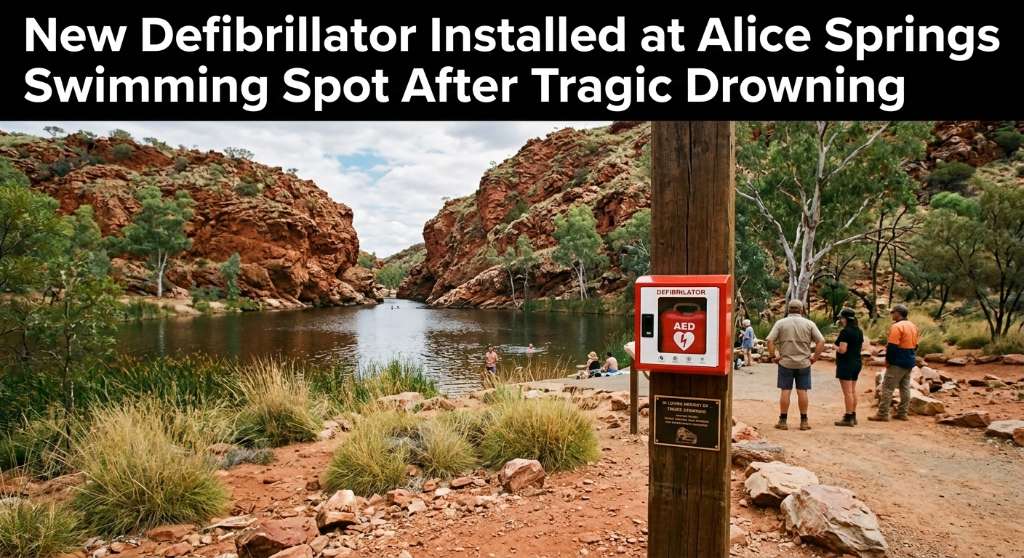
An automated external defibrillator and memorial plaque have been installed at Ellery Creek Big Hole following the death of disability advocate Ellen Fr...
Queensland firefighters spent several hours monitoring a significant grass fire at Mary Kinross Park in Bargara, near Bundaberg, after the blaze broke out on Wednesday evening....