Safety note: Admin approval is an initial review, not a guarantee that every detail is correct. Check important or urgent claims with official sources and report anything inaccurate or unsafe.
Source and credit: Contributor's own report
Wodonga Mayor Defends Albury Cross-Border Planning Agreement - Wodonga, VIC
Smart summary
Wodonga councillors have extended the Two Cities One Community agreement with Albury until 2030, despite criticism from one councillor over the value of the partnership.
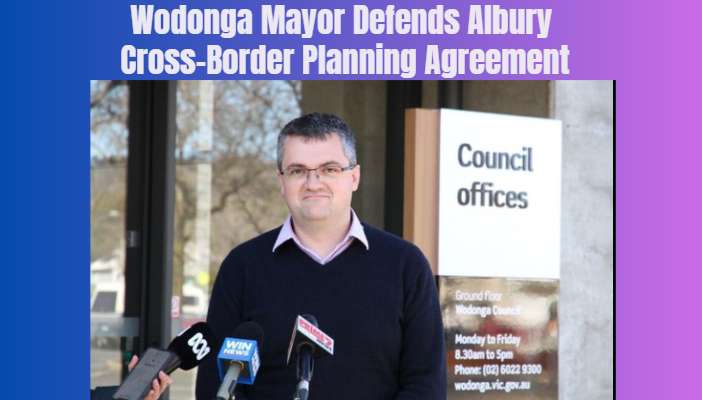
Wodonga Mayor Michael Gobel has defended a cross-border planning agreement with Albury after councillor Rod Mildren criticised the arrangement during a council vote.
Wodonga councillors voted on Monday to extend the Two Cities One Community agreement through to 2030, allowing Albury City and Wodonga Council to continue working together on issues affecting communities on both sides of the New South Wales–Victoria border. The development was reported by ABC News on October 1, 2026.
The partnership brings together the neighbouring cities of Albury and Wodonga, which operate in different states but share transport links, employment markets, infrastructure, services and community facilities.
Mayor Michael Gobel said the agreement had delivered outcomes since it was first adopted in 2017. He pointed to several projects and initiatives that he said demonstrated the value of cooperation between the two councils.
Among the examples cited were the Logic innovation precinct, TAFE-related work and the Wodonga Creek Revitalisation Project. The mayor said the agreement had helped the two councils work jointly on issues that cross the state border.
However, not all councillors supported extending the agreement. Councillor Rod Mildren voted against the extension and described the arrangement as a “PR exercise”, arguing that it had not produced sufficient strategic outcomes.
The disagreement highlights different views within the council about how the partnership should be measured and what practical results should be expected from cross-border cooperation.
The agreement does not create a single local government authority for Albury and Wodonga. Instead, the two councils remain separate governments in their respective states while using the partnership to coordinate on shared issues.
The Albury-Wodonga region is one of Australia's notable cross-border urban areas. Residents regularly travel between the two cities for work, education, shopping, health services and recreation, making decisions by either council potentially relevant to people living on the other side of the border.
Continuing cooperation can also be relevant to long-term planning because infrastructure, transport and economic activity do not necessarily stop at the state boundary.
The decision to extend the agreement means the councils will continue working together under the Two Cities One Community framework for another four years. The debate surrounding the extension also places attention on how councils demonstrate measurable outcomes from regional partnerships.
The latest development is a local-government decision rather than a change to state or federal government policy. The two councils will remain independently governed while continuing their cooperation under the extended agreement.
AgreementWodongaCouncilsAlburyCities
Wodonga Mayor Michael Gobel has defended a cross-border planning agreement with Albury after councillor Rod Mildren criticised the arrangement during a council vote.
Wodonga councillors voted on Monday to extend the Two Cities One Community agreement through to 2030, allowing Albury City and Wodonga Council to continue working together on issues affecting communities on both sides of the New South Wales–Victoria border. The development was reported by ABC News on October 1, 2026.
The partnership brings together the neighbouring cities of Albury and Wodonga, which operate in different states but share transport links, employment markets, infrastructure, services and community facilities.
Mayor Michael Gobel said the agreement had delivered outcomes since it was first adopted in 2017. He pointed to several projects and initiatives that he said demonstrated the value of cooperation between the two councils.
Among the examples cited were the Logic innovation precinct, TAFE-related work and the Wodonga Creek Revitalisation Project. The mayor said the agreement had helped the two councils work jointly on issues that cross the state border.
However, not all councillors supported extending the agreement. Councillor Rod Mildren voted against the extension and described the arrangement as a “PR exercise”, arguing that it had not produced sufficient strategic outcomes.
The disagreement highlights different views within the council about how the partnership should be measured and what practical results should be expected from cross-border cooperation.
The agreement does not create a single local government authority for Albury and Wodonga. Instead, the two councils remain separate governments in their respective states while using the partnership to coordinate on shared issues.
The Albury-Wodonga region is one of Australia's notable cross-border urban areas. Residents regularly travel between the two cities for work, education, shopping, health services and recreation, making decisions by either council potentially relevant to people living on the other side of the border.
Continuing cooperation can also be relevant to long-term planning because infrastructure, transport and economic activity do not necessarily stop at the state boundary.
The decision to extend the agreement means the councils will continue working together under the Two Cities One Community framework for another four years. The debate surrounding the extension also places attention on how councils demonstrate measurable outcomes from regional partnerships.
The latest development is a local-government decision rather than a change to state or federal government policy. The two councils will remain independently governed while continuing their cooperation under the extended agreement.
A Queensland government audit has identified gaps in record-keeping around social housing applications cancelled because applicants could not be contact...
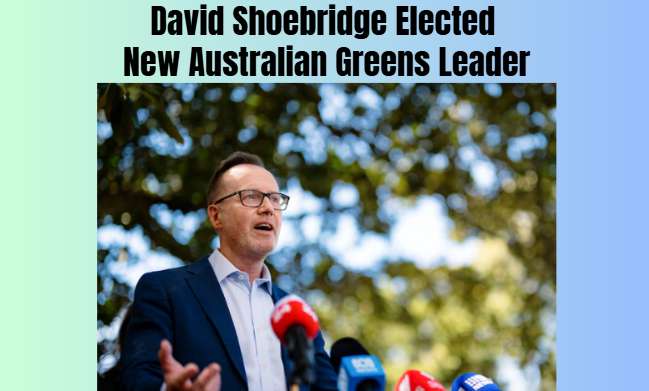
NSW Senator David Shoebridge has been elected leader of the Australian Greens, with Victorian Senator Steph Hodgins-May chosen as deputy after a contest...
Prime Minister Anthony Albanese says an agreement to secure the future of Tasmania's Bell Bay aluminium smelter is close, as the federal and state gover...
The Reserve Bank of Australia has increased the cash rate by 25 basis points to 4.6 per cent, while the federal government and opposition debate the cau...
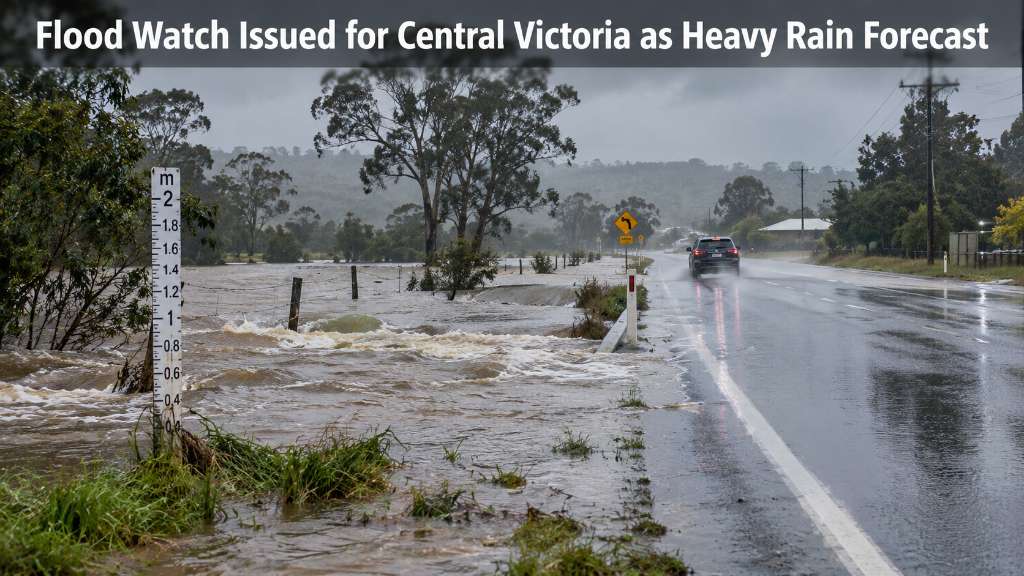
A flood watch is in place across parts of Victoria, with Ballarat and surrounding Central Victorian catchments facing the risk of minor to moderate floo...
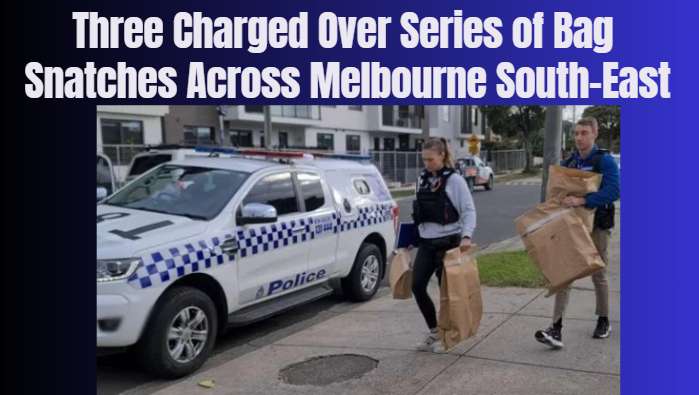
Two 16-year-old boys and an 18-year-old man have been charged after police investigated a series of alleged robberies, car thefts and home invasions acr...
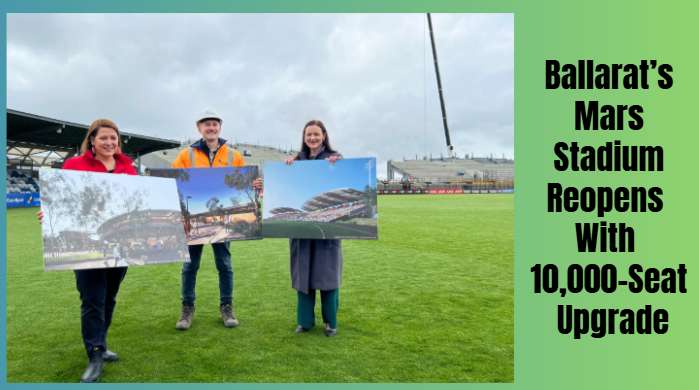
Ballarat’s redeveloped Mars Stadium has unveiled its expanded seating capacity and upgraded facilities ahead of the return of major AFLW events to the r...
Powercor has increased and fast-tracked financial assistance for eligible Mildura residents and businesses affected by last week’s major electricity out...
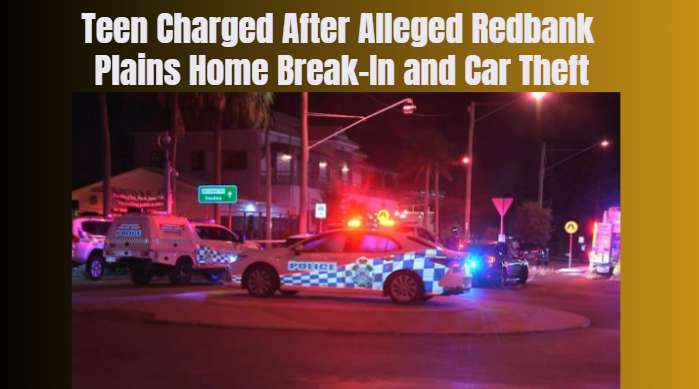
A 15-year-old boy has been charged after police allege a woman was threatened during an early-morning home break-in before another woman was confronted...
Armidale Regional Council will replace an ageing cast-iron water main in Ampol and Miller Streets with a modern system, with construction scheduled to b...
A Queensland government audit has identified gaps in record-keeping around social housing applications cancelled because applicants could not be contact...
Sydney Chinatown institution Emperor’s Garden has reached an agreement to repay more than $1 million in tax debt, with discussions now underway about re...