Safety note: Admin approval is an initial review, not a guarantee that every detail is correct. Check important or urgent claims with official sources and report anything inaccurate or unsafe.
Source and credit: Contributor's own report
Smart summary
A 293-hectare renewable energy project south of Tamworth has been proposed, combining a 120MW solar farm with a 360MW battery storage facility.
A new renewable energy project has been proposed near Tamworth, New South Wales, with plans for a 120-megawatt solar farm and 360-megawatt battery energy storage system on a 293-hectare site about 20 kilometres south of the city. The proposal was reported by the Northern Daily Leader on 10 August 2026.
Known as the Spring Creek Solar Farm, the proposed development would add another major renewable-energy project to the Tamworth region. The project is being considered in an area where renewable energy development has become increasingly important as NSW works to expand electricity generation and storage capacity.
The proposed solar facility would generate electricity from sunlight during the day, while the large battery component would provide the ability to store electricity and release it when required. Battery storage can help balance electricity supply and demand, particularly when renewable generation fluctuates.
The scale of the proposed battery is substantial. With a planned capacity of 360MW, the storage component could play an important role in managing electricity generated by the solar facility and supporting the broader electricity network.
The project's proposed location approximately 20 kilometres south of Tamworth places it within the wider regional area rather than directly inside the city's built-up centre. Nevertheless, developments of this scale can have implications for nearby landowners, roads, employment, agricultural land use and regional infrastructure.
Renewable-energy projects can also bring potential economic benefits to regional communities. Construction can create temporary employment for contractors, tradespeople and other workers, while ongoing operations can create longer-term technical and maintenance roles.
At the same time, large solar and battery projects typically require detailed assessment of issues such as land use, biodiversity, traffic, visual impacts, noise, fire safety and connections to the electricity network. Those considerations form an important part of the planning process before a project can proceed.
The Spring Creek proposal is therefore at a development stage rather than representing a completed project. A proposal does not mean construction has been approved or that work will begin immediately.
For Tamworth and the surrounding New England region, the project adds to a growing conversation about how renewable energy developments can coexist with existing agricultural activities and rural communities. The region has considerable land resources and electricity infrastructure, making it an area of interest for renewable-energy investment.
The proposed battery could be particularly important because energy storage is becoming an increasingly significant part of Australia's electricity transition. Unlike solar generation alone, battery storage can potentially provide electricity during periods when solar output is low, helping improve the reliability and flexibility of renewable generation.
The project also comes amid broader investment in renewable energy across regional NSW. Developers are proposing combinations of solar generation and battery storage in areas where suitable land and network connections are available.
For local residents, the next stages of the project will be important because further planning information should clarify the proposed site's layout, access arrangements, environmental assessment and potential community impacts.
The Northern Daily Leader report published on 10 August 2026 identifies the project as a 293-hectare development with 120MW of solar generation and 360MW of battery storage, located approximately 20 kilometres south of Tamworth.
I have treated this as one distinct Tamworth news story. It is not being combined with the older $1.42 million Tamworth Sports and Entertainment Precinct safety project, which was reported on 6 August rather than 10 August.
ProjectBatteryElectricitySolarProposed
A new renewable energy project has been proposed near Tamworth, New South Wales, with plans for a 120-megawatt solar farm and 360-megawatt battery energy storage system on a 293-hectare site about 20 kilometres south of the city. The proposal was reported by the Northern Daily Leader on 10 August 2026.
Known as the Spring Creek Solar Farm, the proposed development would add another major renewable-energy project to the Tamworth region. The project is being considered in an area where renewable energy development has become increasingly important as NSW works to expand electricity generation and storage capacity.
The proposed solar facility would generate electricity from sunlight during the day, while the large battery component would provide the ability to store electricity and release it when required. Battery storage can help balance electricity supply and demand, particularly when renewable generation fluctuates.
The scale of the proposed battery is substantial. With a planned capacity of 360MW, the storage component could play an important role in managing electricity generated by the solar facility and supporting the broader electricity network.
The project's proposed location approximately 20 kilometres south of Tamworth places it within the wider regional area rather than directly inside the city's built-up centre. Nevertheless, developments of this scale can have implications for nearby landowners, roads, employment, agricultural land use and regional infrastructure.
Renewable-energy projects can also bring potential economic benefits to regional communities. Construction can create temporary employment for contractors, tradespeople and other workers, while ongoing operations can create longer-term technical and maintenance roles.
At the same time, large solar and battery projects typically require detailed assessment of issues such as land use, biodiversity, traffic, visual impacts, noise, fire safety and connections to the electricity network. Those considerations form an important part of the planning process before a project can proceed.
The Spring Creek proposal is therefore at a development stage rather than representing a completed project. A proposal does not mean construction has been approved or that work will begin immediately.
For Tamworth and the surrounding New England region, the project adds to a growing conversation about how renewable energy developments can coexist with existing agricultural activities and rural communities. The region has considerable land resources and electricity infrastructure, making it an area of interest for renewable-energy investment.
The proposed battery could be particularly important because energy storage is becoming an increasingly significant part of Australia's electricity transition. Unlike solar generation alone, battery storage can potentially provide electricity during periods when solar output is low, helping improve the reliability and flexibility of renewable generation.
The project also comes amid broader investment in renewable energy across regional NSW. Developers are proposing combinations of solar generation and battery storage in areas where suitable land and network connections are available.
For local residents, the next stages of the project will be important because further planning information should clarify the proposed site's layout, access arrangements, environmental assessment and potential community impacts.
The Northern Daily Leader report published on 10 August 2026 identifies the project as a 293-hectare development with 120MW of solar generation and 360MW of battery storage, located approximately 20 kilometres south of Tamworth.
I have treated this as one distinct Tamworth news story. It is not being combined with the older $1.42 million Tamworth Sports and Entertainment Precinct safety project, which was reported on 6 August rather than 10 August.
A woman has died following a serious three-vehicle collision involving a commercial bus and two cars in Glenburn, in Victoria’s Yarra Ranges, on Thursday, 24 September 2026. Eme...
A woman has died following a serious three-car collision in Leongatha, Victoria, on Wednesday afternoon, 23 September 2026. Emergency services were called to the Strzelecki High...
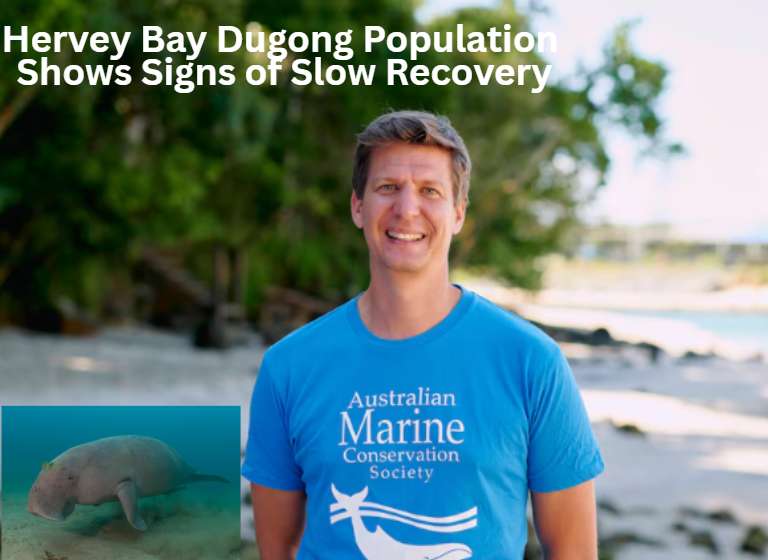
Researchers have recorded a small increase in dugong numbers around Hervey Bay and the Great Sandy Strait after severe flooding damaged seagrass habitat...
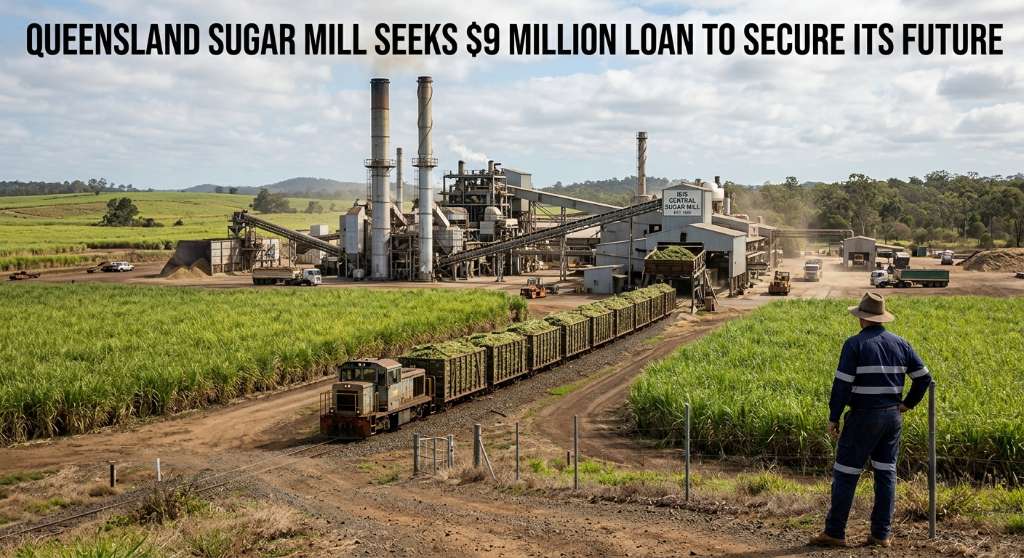
Isis Central Sugar Mill is seeking financial assistance from the Queensland Government after mechanical problems and weaker sugar prices put pressure on...
Prime Minister Anthony Albanese has launched Australia's campaign for a two-year seat on the United Nations Security Council while signing a decade-long...
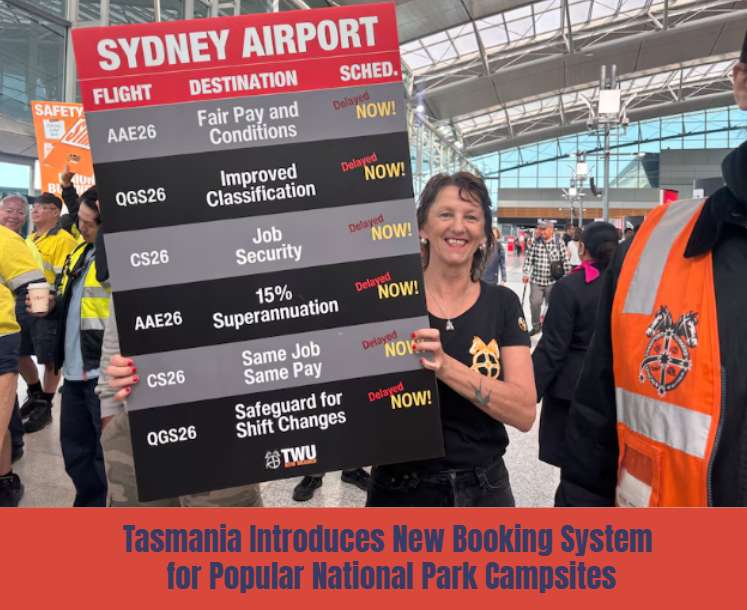
Passengers travelling through Sydney Airport on September 24 are being warned to allow extra time as separate strikes involving airport security and gro...
Two men have been charged after detectives investigating an alleged large-scale drug supply network seized cocaine, methylamphetamine, MDMA and other it...
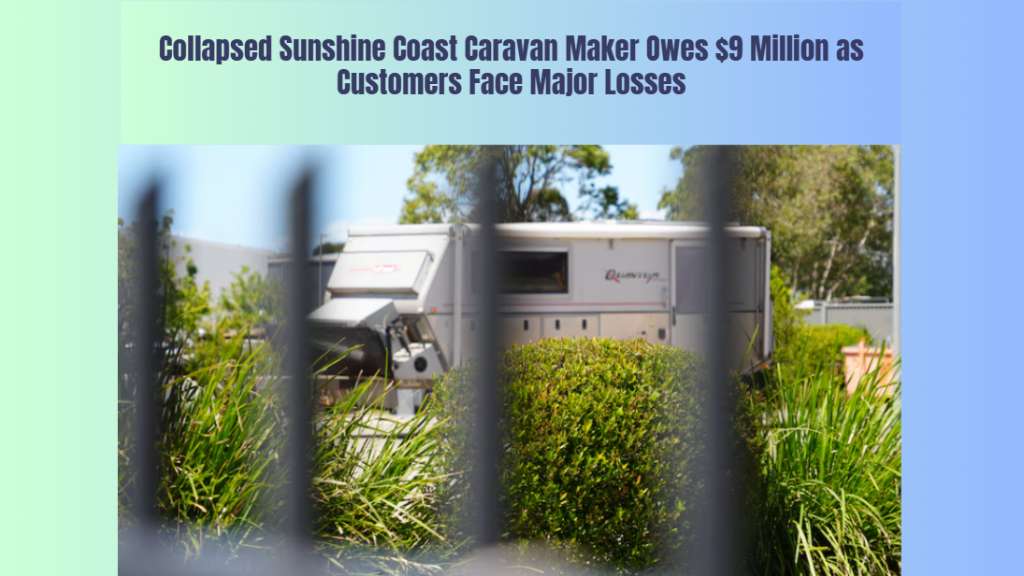
Administrators have revealed Australian Off Road owes about $9 million after the Sunshine Coast caravan manufacturer collapsed, leaving customers, emplo...
A woman has died following a serious three-vehicle collision involving a commercial bus and two cars in Glenburn, in Victoria’s Yarra Ranges, on Thursday, 24 September 2026. Eme...
A woman has died following a serious three-car collision in Leongatha, Victoria, on Wednesday afternoon, 23 September 2026. Emergency services were called to the Strzelecki High...
A Queensland parliamentary committee has completed regional hearings on proposed tougher bail laws, hearing from crime victims, legal experts and commun...