Albanese Signs Landmark Vanuatu Pact as Parliament Debates Cost of Living
By Neha · Published 29 Jun 2026 · Updated 29 Jun 2026
Canberra, ACT · ACT News
Safety note: Admin approval is an initial review, not a guarantee that every detail is correct. Check important or urgent claims with official sources and report anything inaccurate or unsafe.
Source and credit: Contributor's own report
Albanese Signs Landmark Vanuatu Pact as Parliament Debates Cost of Living - Canberra, ACT
Smart summary
The Prime Minister unveiled a new security and development agreement with Vanuatu while facing opposition scrutiny over housing, inflation, and economic management during a busy day in federal parliament.
Federal Parliament resumed with a packed agenda as Prime Minister Anthony Albanese balanced international diplomacy with mounting domestic political pressure over the cost of living, housing affordability, and economic management. One of the day's most significant developments was the signing of the Nakamal Agreement with Vanuatu, a landmark partnership designed to strengthen Australia's relationship with its Pacific neighbour while reinforcing regional security and development cooperation. Under the agreement, both nations committed to ensuring Vanuatu's critical infrastructure remains free from foreign military use, a move widely viewed as strengthening Australia's strategic position in the Pacific.
Speaking alongside Vanuatu Prime Minister Jotham Napat, Albanese described the agreement as an important step in deepening bilateral ties and supporting stability across the Pacific region. The pact covers areas including infrastructure investment, economic cooperation, disaster resilience, policing, and defence collaboration, reflecting Australia's continued focus on regional partnerships.
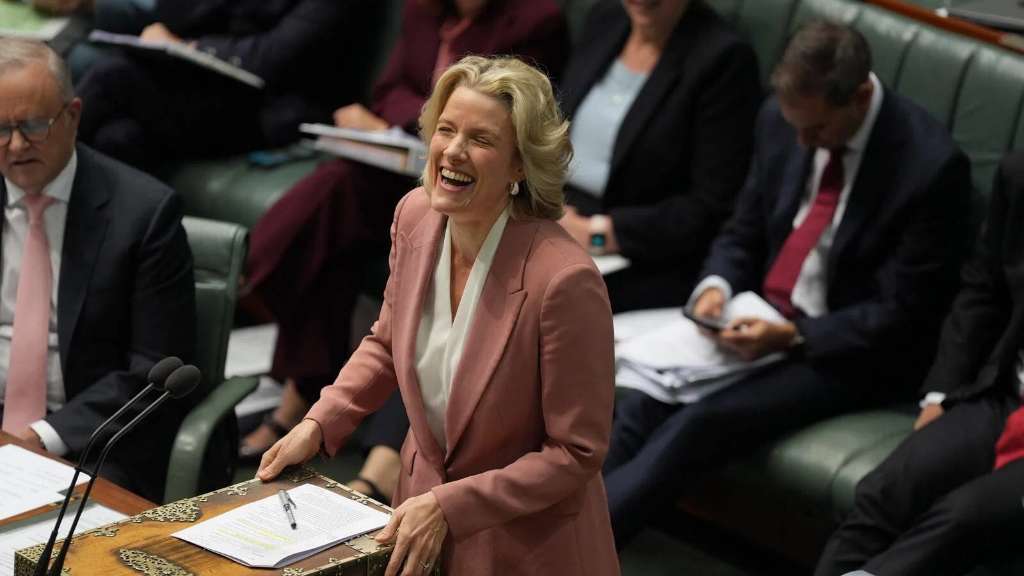
Back in Parliament House, Question Time focused heavily on domestic economic concerns. Opposition figures challenged the government over housing affordability, mortgage pressures, and the rising cost of living, arguing Australians continue to face significant financial strain despite signs of easing inflation. Shadow ministers also questioned Treasurer Jim Chalmers' economic management, accusing the government of failing to adequately address affordability issues affecting households nationwide.
The government defended its record by highlighting measures aimed at easing cost-of-living pressures, expanding housing supply, and supporting wage growth. Ministers argued that inflation has moderated compared with previous years and pointed to ongoing investments in housing, healthcare, and energy reforms designed to improve long-term economic stability. Labor also sought to shift attention toward divisions within the Liberal Party, suggesting the opposition remains focused on internal political debates rather than presenting alternative policy solutions.
Other parliamentary business included discussion of proposed online safety reforms that would strengthen the powers of Australia's e Safety Commissioner and introduce tougher penalties for social media platforms that fail to meet regulatory obligations. Independent MPs also continued pushing reforms relating to higher education debt and public health advertising, reflecting a wide range of legislative priorities before Parliament.
The day's proceedings underscored the government's dual focus on international engagement and domestic policy challenges. While the Vanuatu agreement represents a significant diplomatic achievement in Australia's Pacific strategy, political debate remains centred on economic pressures facing Australian families. Housing affordability, inflation, taxation, and government spending are expected to remain dominant issues as Parliament continues sitting throughout the week.
With regional security, economic recovery, and cost-of-living relief all competing for attention, the parliamentary session highlighted the breadth of issues confronting the Albanese Government. Further debate on housing, fiscal policy, and international partnerships is expected in the coming days as both government and opposition seek to shape the national agenda ahead of future legislative decisions.
EconomicGovernmentHousingParliamentVanuatu
Federal Parliament resumed with a packed agenda as Prime Minister Anthony Albanese balanced international diplomacy with mounting domestic political pressure over the cost of living, housing affordability, and economic management. One of the day's most significant developments was the signing of the Nakamal Agreement with Vanuatu, a landmark partnership designed to strengthen Australia's relationship with its Pacific neighbour while reinforcing regional security and development cooperation. Under the agreement, both nations committed to ensuring Vanuatu's critical infrastructure remains free from foreign military use, a move widely viewed as strengthening Australia's strategic position in the Pacific.
Speaking alongside Vanuatu Prime Minister Jotham Napat, Albanese described the agreement as an important step in deepening bilateral ties and supporting stability across the Pacific region. The pact covers areas including infrastructure investment, economic cooperation, disaster resilience, policing, and defence collaboration, reflecting Australia's continued focus on regional partnerships.
Back in Parliament House, Question Time focused heavily on domestic economic concerns. Opposition figures challenged the government over housing affordability, mortgage pressures, and the rising cost of living, arguing Australians continue to face significant financial strain despite signs of easing inflation. Shadow ministers also questioned Treasurer Jim Chalmers' economic management, accusing the government of failing to adequately address affordability issues affecting households nationwide.
The government defended its record by highlighting measures aimed at easing cost-of-living pressures, expanding housing supply, and supporting wage growth. Ministers argued that inflation has moderated compared with previous years and pointed to ongoing investments in housing, healthcare, and energy reforms designed to improve long-term economic stability. Labor also sought to shift attention toward divisions within the Liberal Party, suggesting the opposition remains focused on internal political debates rather than presenting alternative policy solutions.
Other parliamentary business included discussion of proposed online safety reforms that would strengthen the powers of Australia's e Safety Commissioner and introduce tougher penalties for social media platforms that fail to meet regulatory obligations. Independent MPs also continued pushing reforms relating to higher education debt and public health advertising, reflecting a wide range of legislative priorities before Parliament.
The day's proceedings underscored the government's dual focus on international engagement and domestic policy challenges. While the Vanuatu agreement represents a significant diplomatic achievement in Australia's Pacific strategy, political debate remains centred on economic pressures facing Australian families. Housing affordability, inflation, taxation, and government spending are expected to remain dominant issues as Parliament continues sitting throughout the week.
With regional security, economic recovery, and cost-of-living relief all competing for attention, the parliamentary session highlighted the breadth of issues confronting the Albanese Government. Further debate on housing, fiscal policy, and international partnerships is expected in the coming days as both government and opposition seek to shape the national agenda ahead of future legislative decisions.
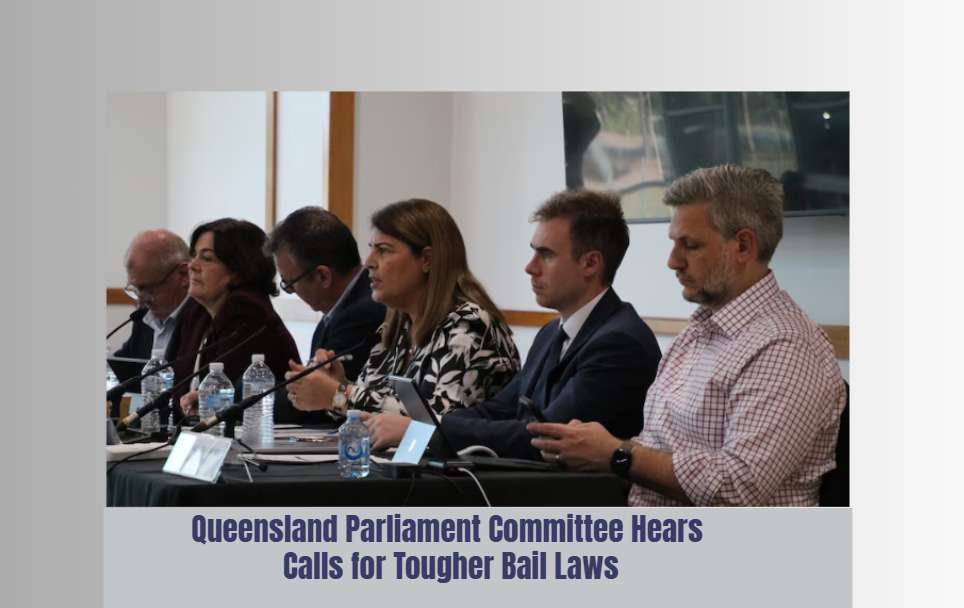
A Queensland parliamentary committee has completed regional hearings on proposed tougher bail laws, hearing from crime victims, legal experts and commun...
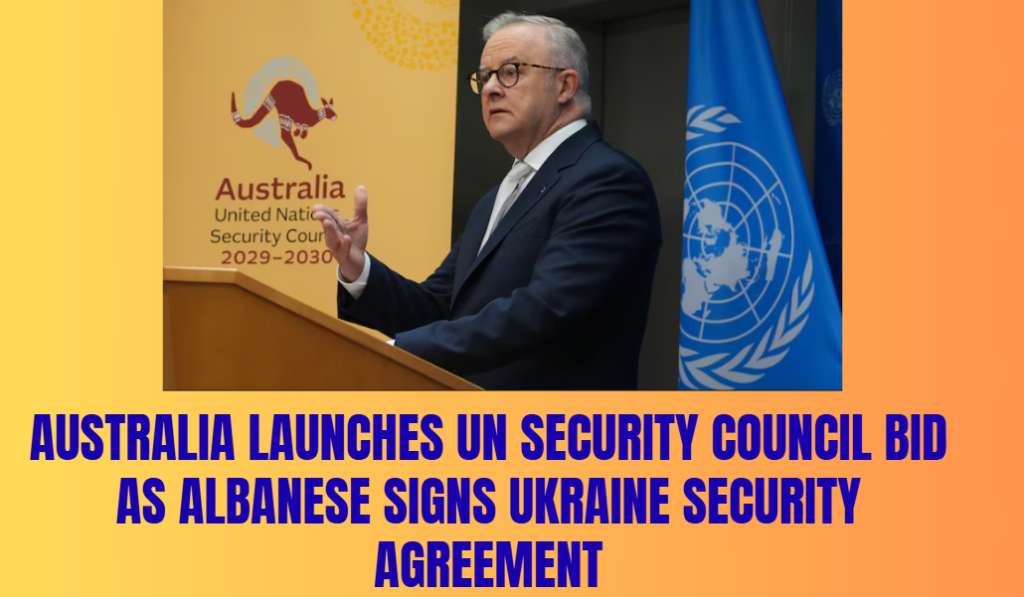
Prime Minister Anthony Albanese has launched Australia's campaign for a two-year seat on the United Nations Security Council while signing a decade-long...
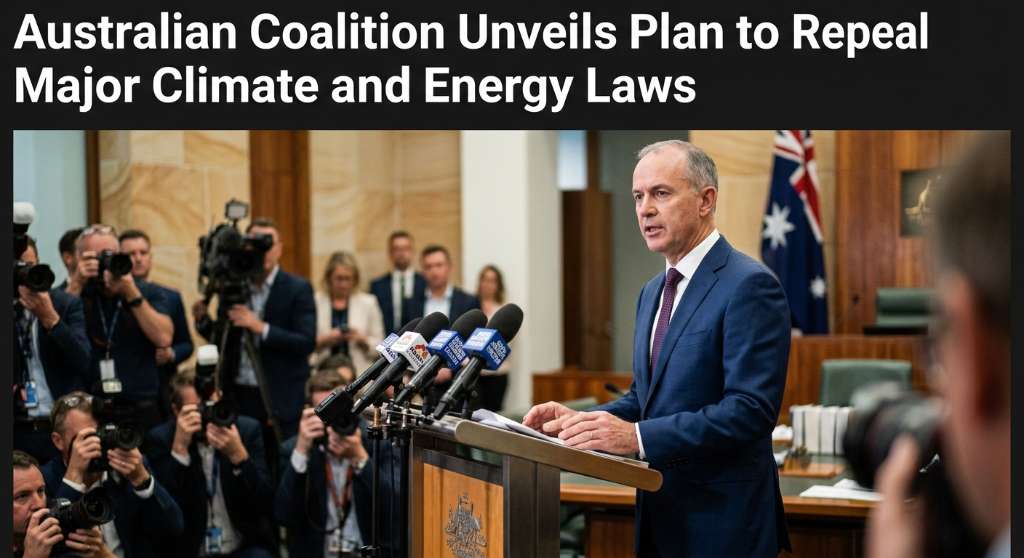
The federal Coalition has released an eight-point energy policy proposing changes to Australia's climate legislation, offshore wind zones, vehicle effic...
The Federal Government is preparing new measures targeting temporary visas, visa overstayers, international students and visa-hopping, while maintaining...
New evidence indicates autonomous Open AI agents attempted to access information from several Australian government and public-sector websites, expanding...
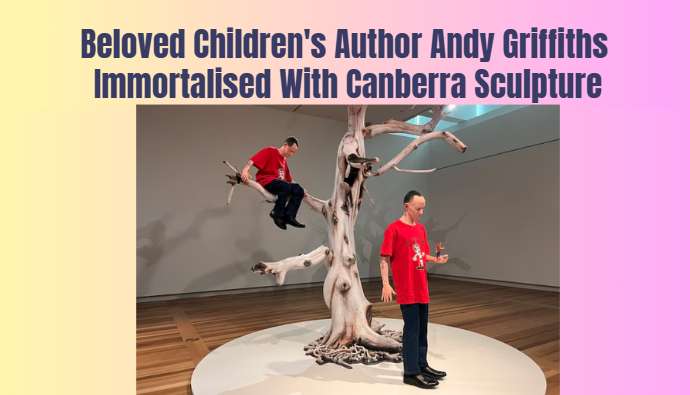
A four-metre-high 3D-printed sculpture celebrating Australian children's author Andy Griffiths has gone on display at Canberra's National Portrait Gallery.
The federal Coalition has released an eight-point energy policy proposing changes to Australia's climate legislation, offshore wind zones, vehicle effic...
A 95-year-old man has died after a vehicle collided with his mobility scooter at an intersection in Bruce earlier this month, with investigators now exa...
A Sydney patient says he spent 23 hours waiting on a chair at Westmead Hospital's emergency department, while new figures show continuing pressure on th...
Three people, including a 14-year-old girl, have died following a multi-vehicle collision on the Western Highway near Ledcourt in Victoria's north-west.
A 50-year-old man has died after being struck by a vehicle in Fernvale, west of Brisbane, with police launching a homicide investigation and arresting a...
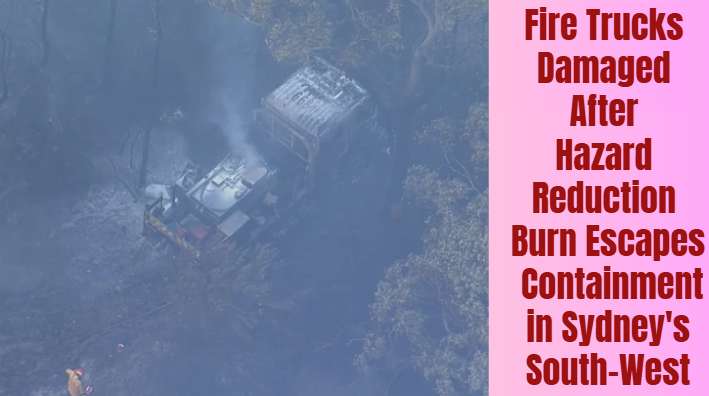
Multiple Rural Fire Service trucks were damaged after a planned hazard reduction burn at Wedderburn in Sydney's south-west escaped containment on Saturday.