By Chloe · Published 29 Oct 2026 · Updated 29 Oct 2026
Sydney, NSW · New South Wales News
Safety note: Admin approval is an initial review, not a guarantee that every detail is correct. Check important or urgent claims with official sources and report anything inaccurate or unsafe.
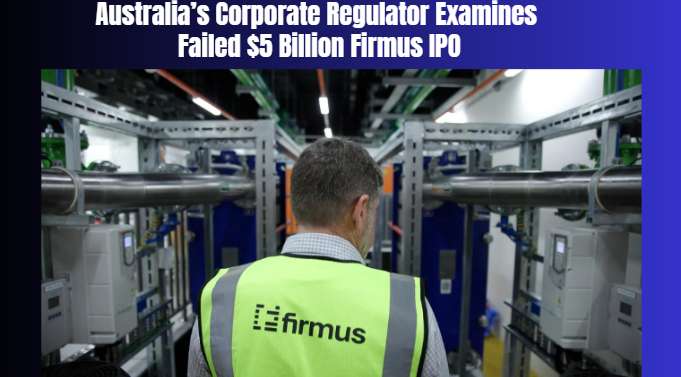
Australia’s corporate watchdog is examining the collapse of Firmus’s planned $5 billion sharemarket listing, which had aimed to fund the expansion of the AI data-centre operator.
Australia’s corporate regulator is examining the collapse of a proposed $5 billion initial public offering by Firmus, an artificial intelligence data-centre operator, raising questions about one of the country’s most ambitious planned stockmarket listings.
The Australian Securities and Investments Commission (ASIC) confirmed on Thursday, 29 October 2026, that it was looking into issues surrounding the failed share sale. ASIC Chair Sarah Court told Australian lawmakers that the regulator had not yet launched a formal investigation but was examining concerns reported in the media and had engaged with the banks involved in the transaction.
Firmus had planned to raise $5 billion through the IPO, which would have made it the second-largest public offering in Australian history. The company intended to use the capital to support its growth in the expanding artificial intelligence infrastructure sector, where data centres are increasingly important for processing and storing the enormous quantities of information required by advanced computing systems.
The planned listing collapsed on 9 October after the company failed to attract sufficient investor support. The setback drew attention because of the proposed size of the offering and the high expectations surrounding investment in AI-related infrastructure.
Firmus, which is backed by Nvidia, had targeted a valuation of approximately $30.6 billion for the IPO. That figure was around three times the valuation implied by a private fundraising round completed in August, according to the report. The difference highlighted the importance of investor confidence and valuation expectations when companies seek to raise substantial amounts of money through public markets.
Four financial institutions were named as joint lead managers for the planned offering: Bank of America, JPMorgan, Morgan Stanley and Australian brokerage Morgans. These institutions were involved in managing the proposed share sale.
Reuters reported that Morgan Stanley and JPMorgan declined to comment on the regulator's inquiries, while Bank of America and Morgans had not immediately responded to requests for comment. ASIC's engagement with the lead managers forms part of its examination of the issues surrounding the unsuccessful transaction.
The regulator's review does not mean that wrongdoing has been established. ASIC has not announced a formal investigation, and no findings of misconduct have been reported in the available account. Its examination is intended to consider the circumstances surrounding the failed listing and the concerns raised about the transaction.
The outcome could be relevant to Australia's broader capital markets, particularly for technology businesses seeking large investments to expand infrastructure. AI data centres require substantial capital for facilities, computing equipment, electricity and supporting systems. Companies pursuing major funding rounds must therefore balance ambitious expansion plans with investor expectations about future earnings, costs and commercial risks.
For investors and businesses, the Firmus episode illustrates how even high-profile technology companies can encounter difficulties when attempting to secure large amounts of public-market funding. Investor demand, the proposed valuation and confidence in a company's growth strategy can all influence whether an offering proceeds.
ASIC's examination remains at an early stage. Further developments will depend on the regulator's assessment of the transaction and any additional information that emerges from its engagement with the institutions involved.
RegulatorAsicFirmusOfferingBillion
Australia’s corporate regulator is examining the collapse of a proposed $5 billion initial public offering by Firmus, an artificial intelligence data-centre operator, raising questions about one of the country’s most ambitious planned stockmarket listings.
The Australian Securities and Investments Commission (ASIC) confirmed on Thursday, 29 October 2026, that it was looking into issues surrounding the failed share sale. ASIC Chair Sarah Court told Australian lawmakers that the regulator had not yet launched a formal investigation but was examining concerns reported in the media and had engaged with the banks involved in the transaction.
Firmus had planned to raise $5 billion through the IPO, which would have made it the second-largest public offering in Australian history. The company intended to use the capital to support its growth in the expanding artificial intelligence infrastructure sector, where data centres are increasingly important for processing and storing the enormous quantities of information required by advanced computing systems.
The planned listing collapsed on 9 October after the company failed to attract sufficient investor support. The setback drew attention because of the proposed size of the offering and the high expectations surrounding investment in AI-related infrastructure.
Firmus, which is backed by Nvidia, had targeted a valuation of approximately $30.6 billion for the IPO. That figure was around three times the valuation implied by a private fundraising round completed in August, according to the report. The difference highlighted the importance of investor confidence and valuation expectations when companies seek to raise substantial amounts of money through public markets.
Four financial institutions were named as joint lead managers for the planned offering: Bank of America, JPMorgan, Morgan Stanley and Australian brokerage Morgans. These institutions were involved in managing the proposed share sale.
Reuters reported that Morgan Stanley and JPMorgan declined to comment on the regulator's inquiries, while Bank of America and Morgans had not immediately responded to requests for comment. ASIC's engagement with the lead managers forms part of its examination of the issues surrounding the unsuccessful transaction.
The regulator's review does not mean that wrongdoing has been established. ASIC has not announced a formal investigation, and no findings of misconduct have been reported in the available account. Its examination is intended to consider the circumstances surrounding the failed listing and the concerns raised about the transaction.
The outcome could be relevant to Australia's broader capital markets, particularly for technology businesses seeking large investments to expand infrastructure. AI data centres require substantial capital for facilities, computing equipment, electricity and supporting systems. Companies pursuing major funding rounds must therefore balance ambitious expansion plans with investor expectations about future earnings, costs and commercial risks.
For investors and businesses, the Firmus episode illustrates how even high-profile technology companies can encounter difficulties when attempting to secure large amounts of public-market funding. Investor demand, the proposed valuation and confidence in a company's growth strategy can all influence whether an offering proceeds.
ASIC's examination remains at an early stage. Further developments will depend on the regulator's assessment of the transaction and any additional information that emerges from its engagement with the institutions involved.
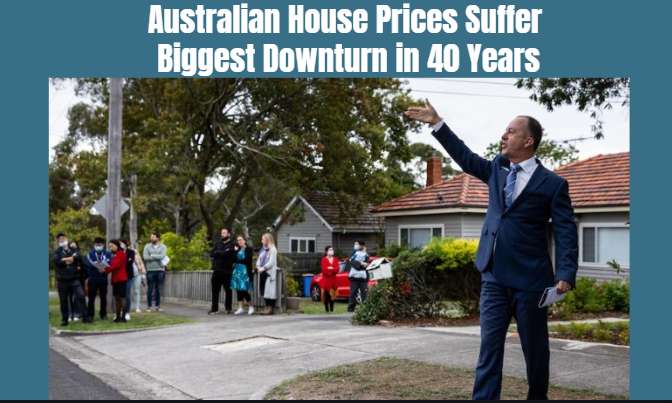
Australian property values have fallen for seven consecutive months, with the national median home value dropping approximately $63,400 since March as h...
Around 8,000 customers in Western Australia's coastal city of Albany will need to replace gas appliances with electric alternatives or switch to bottled...
Buyers from Sydney and Melbourne are purchasing homes in Alice Springs at a rapid pace, attracted by strong rental returns and limited housing availabil...
Growing awareness of Auslan is highlighting the importance of teaching children sign language and helping them communicate with people who are deaf or h...
New South Wales has begun accepting firearms under the national gun buyback scheme, but limited appointment availability has created an early challenge...
Australian property values have fallen for seven consecutive months, with the national median home value dropping approximately $63,400 since March as h...
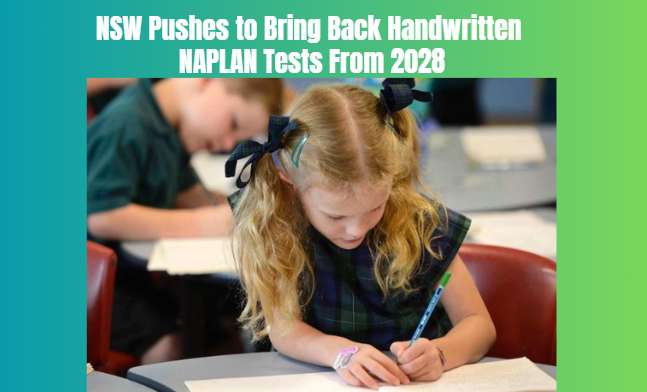
Education experts support New South Wales' proposal to replace computer-based NAPLAN writing tests with traditional pen-and-paper examinations for stude...
A psychiatric report presented to South Australia's Supreme Court has raised questions about Tamika Chesser's mental competence in the case involving th...
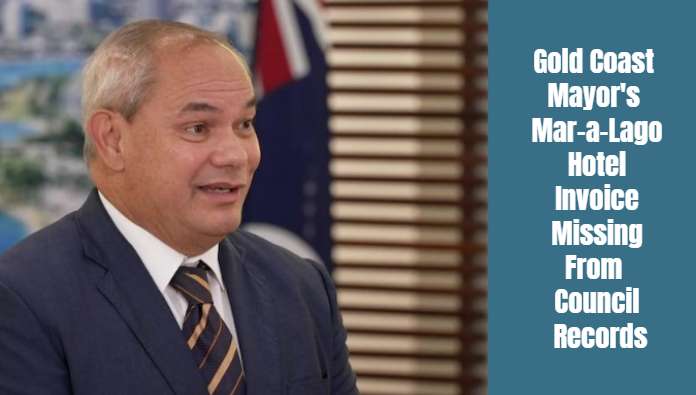
A freedom of information request has revealed that Gold Coast Council does not hold a copy of the invoice for Mayor Tom Tate's three-day stay at Donald...