Australian Country Towns Demand Census Recount Over Population Concerns
By Chloe · Published 26 Nov 2026 · Updated 26 Nov 2026
Wheatbelt, WA
Safety note: Admin approval is an initial review, not a guarantee that every detail is correct. Check important or urgent claims with official sources and report anything inaccurate or unsafe.
Source and credit: Contributor's own report
Australian Country Towns Demand Census Recount Over Population Concerns - Wheatbelt, WA
Smart summary
Communities across Western Australia's Wheatbelt are demanding a review of census figures, arguing that missing census information and failed delivery of collection materials may have resulted in local populations bei...
Residents and local government representatives in Western Australia's Wheatbelt region are calling for an investigation into the delivery and collection of 2026 Census information after concerns emerged that thousands of residents and households may not have been properly represented in official population figures.
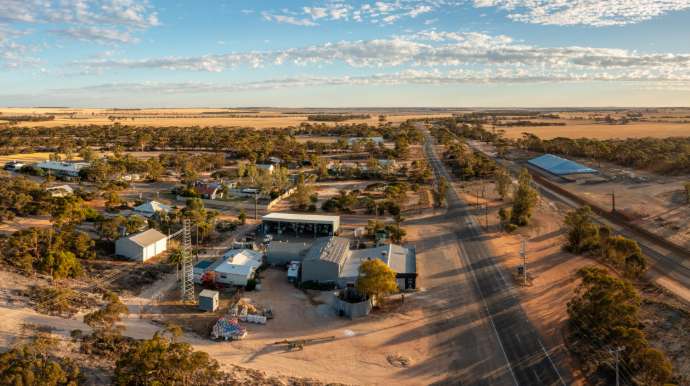
The issue has attracted attention in the Shire of York, a regional local government area located approximately 100 kilometres east of Perth. Council representatives believe that problems with the distribution of census materials may have contributed to an inaccurate picture of the area's population.
According to the Shire of York, more than two-thirds of local properties may not have received the required census paperwork before the latest count. Residents reportedly experienced problems with missing forms, including households on unsealed roads and properties where census materials were allegedly left at farm gates.
The council has raised concerns that similar issues may have occurred during the 2021 Census, suggesting that the latest problems could be part of a longer-running issue affecting regional communities.
One of the major concerns involves the difference between the number of properties serviced by the local government and the number recorded in official statistics. The Shire of York says it services approximately 3,000 dwellings, while Australian Bureau of Statistics figures recorded 1,869 dwellings in 2021.
Local officials believe that accurate population information is essential for planning infrastructure, education, healthcare, housing and other community services.
Shire of York chief executive Alina Behan has warned that inaccurate population figures could have serious financial consequences. She explained that financial assistance grants provided to local governments are directly influenced by Australian Bureau of Statistics population information.
The council estimates that a significant difference in population figures could potentially affect annual funding by approximately $500,000 to $1 million. For a small regional local government, such a reduction could create considerable difficulties in maintaining essential services and responding to growing community needs.
The Australian Bureau of Statistics has rejected the allegations that up to two-thirds of households failed to receive census materials. The organisation maintains that the 2026 Census achieved very high response rates across Australia, including in the Shire of York.
The ABS has also explained that census workers may leave collection materials at property gates when they cannot access locked properties. It says procedures are in place to account for households that do not submit census forms and protect the quality of population data.
Despite this response, York councillors want the latest census information reviewed against local dwelling records and address information. They are also seeking assurances that regional funding will not be reduced because of any verified collection problems.
The concerns have received support from neighbouring councils, including Northam, located approximately 35 kilometres north of York. Representatives from other Wheatbelt councils have also raised concerns about missing physical census packs.
The Western Australian Local Government Association's Avon-Midland Country Zone has backed York's push for further investigation.
The debate highlights the importance of reliable population statistics for regional Australia. Smaller communities often depend on government funding to maintain roads, healthcare access, schools and essential public infrastructure.
The council's request is now focused on securing an investigation, reviewing population information and improving future census collection procedures.
CensusPopulationYorkConcernsGovernment
Residents and local government representatives in Western Australia's Wheatbelt region are calling for an investigation into the delivery and collection of 2026 Census information after concerns emerged that thousands of residents and households may not have been properly represented in official population figures.
The issue has attracted attention in the Shire of York, a regional local government area located approximately 100 kilometres east of Perth. Council representatives believe that problems with the distribution of census materials may have contributed to an inaccurate picture of the area's population.
According to the Shire of York, more than two-thirds of local properties may not have received the required census paperwork before the latest count. Residents reportedly experienced problems with missing forms, including households on unsealed roads and properties where census materials were allegedly left at farm gates.
The council has raised concerns that similar issues may have occurred during the 2021 Census, suggesting that the latest problems could be part of a longer-running issue affecting regional communities.
One of the major concerns involves the difference between the number of properties serviced by the local government and the number recorded in official statistics. The Shire of York says it services approximately 3,000 dwellings, while Australian Bureau of Statistics figures recorded 1,869 dwellings in 2021.
Local officials believe that accurate population information is essential for planning infrastructure, education, healthcare, housing and other community services.
Shire of York chief executive Alina Behan has warned that inaccurate population figures could have serious financial consequences. She explained that financial assistance grants provided to local governments are directly influenced by Australian Bureau of Statistics population information.
The council estimates that a significant difference in population figures could potentially affect annual funding by approximately $500,000 to $1 million. For a small regional local government, such a reduction could create considerable difficulties in maintaining essential services and responding to growing community needs.
The Australian Bureau of Statistics has rejected the allegations that up to two-thirds of households failed to receive census materials. The organisation maintains that the 2026 Census achieved very high response rates across Australia, including in the Shire of York.
The ABS has also explained that census workers may leave collection materials at property gates when they cannot access locked properties. It says procedures are in place to account for households that do not submit census forms and protect the quality of population data.
Despite this response, York councillors want the latest census information reviewed against local dwelling records and address information. They are also seeking assurances that regional funding will not be reduced because of any verified collection problems.
The concerns have received support from neighbouring councils, including Northam, located approximately 35 kilometres north of York. Representatives from other Wheatbelt councils have also raised concerns about missing physical census packs.
The Western Australian Local Government Association's Avon-Midland Country Zone has backed York's push for further investigation.
The debate highlights the importance of reliable population statistics for regional Australia. Smaller communities often depend on government funding to maintain roads, healthcare access, schools and essential public infrastructure.
The council's request is now focused on securing an investigation, reviewing population information and improving future census collection procedures.
Central Highlands, TAS · Religion News · 27 Nov 2026
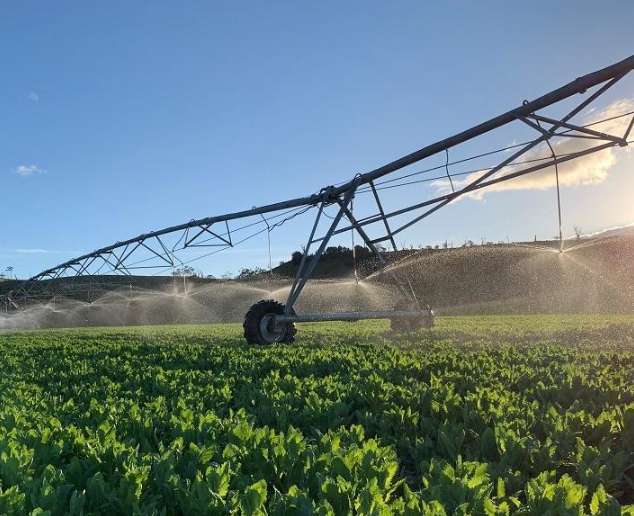
Farmers in Tasmania's Central Highlands are warning of millions of dollars in potential crop losses as dry conditions and mid-season irrigation restrict...
A mobile hearing-testing service that has helped thousands of children in regional New South Wales is facing closure after its funding runs out, raising...
A metal detector led a Broken Hill prospector to a rare 1.2-kilogram gold nugget near Tibooburra after several days of searching in remote New South Wales.
After finishing at the bottom of the ladder in 2023, the Western Bulldogs have rebuilt their playing list and team structure to reach the AFL Women's fi...
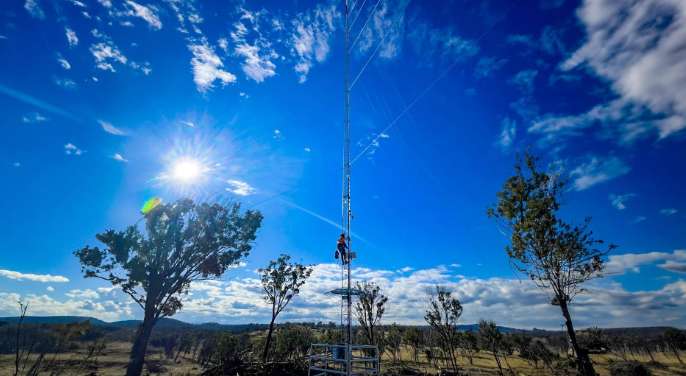
Renewable energy company Vestas has removed a 120-metre wind-monitoring tower from a proposed wind farm site on the Western Downs after local pilots rep...
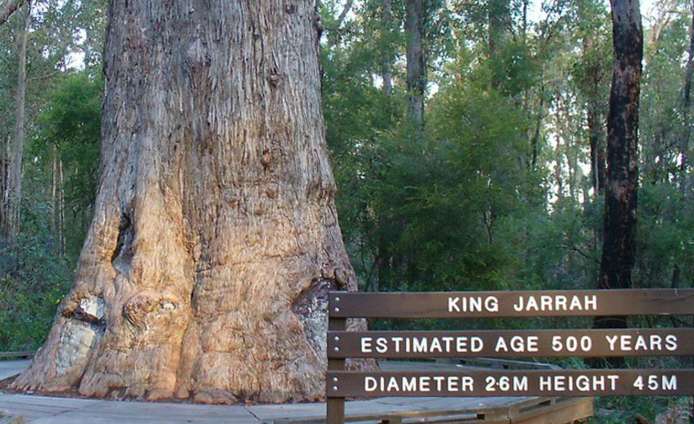
A landmark jarrah tree in Wellington National Park has been cut with a chainsaw near its base, prompting a police investigation and fears that the ancie...
Victoria's Labour Hire Authority has uncovered alleged worker exploitation on three farms near Bairnsdale, with workers reportedly receiving up to 35 pe...
Emergency services are continuing their search for French-born kitesurfer Eric Metrot, who disappeared during a kitesurfing session near Five Finger Ree...
Renewable energy company Vestas has removed a 120-metre wind-monitoring tower from a proposed wind farm site on the Western Downs after local pilots rep...
Tasmania's government expects to continue building the Macquarie Point stadium even if it cannot secure additional money from the federal government or...
A landmark jarrah tree in Wellington National Park has been cut with a chainsaw near its base, prompting a police investigation and fears that the ancie...
Victoria's Labour Hire Authority has uncovered alleged worker exploitation on three farms near Bairnsdale, with workers reportedly receiving up to 35 pe...