Amateur Prospector Discovers Gold Nugget Worth Up to $160,000 in Outback NSW
By Chloe · Published 26 Oct 2026 · Updated 26 Oct 2026
Tibooburra, NSW
Safety note: Admin approval is an initial review, not a guarantee that every detail is correct. Check important or urgent claims with official sources and report anything inaccurate or unsafe.
Source and credit: Contributor's own report
Amateur Prospector Discovers Gold Nugget Worth Up to $160,000 in Outback NSW - Tibooburra, NSW
Smart summary
A metal detector led a Broken Hill prospector to a rare 1.2-kilogram gold nugget near Tibooburra after several days of searching in remote New South Wales.
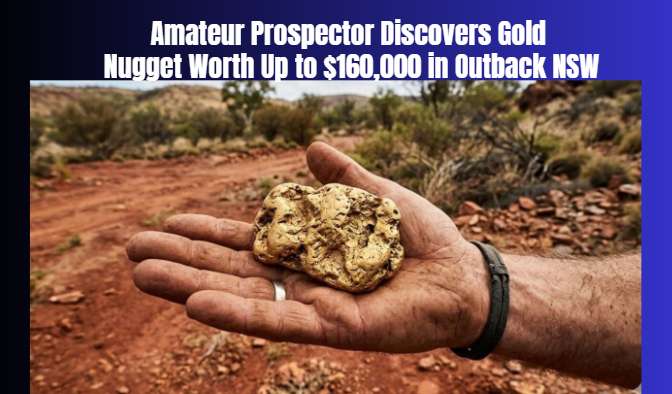
An amateur gold prospector has discovered a gold nugget valued at approximately $150,000 to $160,000 on a remote station near Tibooburra in north-western New South Wales. The discovery was reported by ABC News on 26 October 2026 after the prospector uncovered the unusually large nugget while searching the region with a metal detector.
The nugget weighs approximately 1,218 grams, or more than 1.2 kilograms. Testing indicated that it contains around 940 grams of gold, with the remaining material including quartz and other mineral content. Its estimated value is based on the prevailing market price of gold, although its eventual selling price could differ depending on purity, collector interest and market conditions.
The prospector, who has chosen to remain anonymous, had spent several days searching the area around Mount Stuart Station near Tibooburra. He had reportedly been preparing to finish his search for the day in mid-October when his Gold Monster 2000 metal detector produced a signal.
Initially, the signal was not particularly strong for a piece of that size. However, as he dug approximately 100 millimetres into the ground, the detector began producing a much louder signal. He then noticed a bright yellow spot in the centre of the hole.
After removing the object, the prospector realised that he might have found something extraordinary. People searching for gold in remote areas commonly encounter discarded metal, old nails, horseshoes and other debris rather than valuable deposits. Large nuggets are especially unusual, making the discovery significant for the local prospecting community.
The finder nicknamed the nugget the “Tibooburra Spud”. He has indicated that he intends to sell it to a collector and believes the final price could potentially reach $200,000. That figure remains an expectation rather than a confirmed sale price.
Greg Spangler, who operates Broken Hill Prospecting Supplies, said that in more than 20 years in the industry, he had encountered only one other discovery of a nugget weighing more than a kilogram. Most prospectors find smaller gold flakes or nuggets weighing only a few ounces. A discovery of this size is therefore considered rare.
The find also reflects growing interest in recreational gold prospecting. Higher gold prices have encouraged some people to invest in metal detectors and spend time searching for precious metals. For others, the activity provides an opportunity to explore remote landscapes, exercise outdoors and enjoy time away from busy urban environments.
Tibooburra has a long history of gold prospecting dating back to the late nineteenth century. The remote township attracts visitors interested in its mining history, desert landscapes and opportunities to search for gold.
However, prospecting rules differ between locations. Fossicking on Tibooburra Common is currently restricted while Native Title permissions are being pursued. Mount Stuart and Gumvale stations have allowed prospecting for a fee, subject to applicable access requirements and conditions.
The discovery does not mean that gold can be collected freely throughout the region. Prospectors must check land ownership, permission requirements, environmental restrictions and relevant state regulations before searching.
The nugget has attracted attention because of its size, potential value and the circumstances of its discovery. Its estimated worth is substantial for a recreational prospector, although the final amount received will depend on how it is sold.
The find provides another example of the unexpected discoveries that can occur in Australia's historic gold regions. For the prospector, a faint signal near the end of an ordinary day of searching turned into a rare discovery worth potentially six figures.
GoldDiscoveryNuggetProspectorProspecting
An amateur gold prospector has discovered a gold nugget valued at approximately $150,000 to $160,000 on a remote station near Tibooburra in north-western New South Wales. The discovery was reported by ABC News on 26 October 2026 after the prospector uncovered the unusually large nugget while searching the region with a metal detector.
The nugget weighs approximately 1,218 grams, or more than 1.2 kilograms. Testing indicated that it contains around 940 grams of gold, with the remaining material including quartz and other mineral content. Its estimated value is based on the prevailing market price of gold, although its eventual selling price could differ depending on purity, collector interest and market conditions.
The prospector, who has chosen to remain anonymous, had spent several days searching the area around Mount Stuart Station near Tibooburra. He had reportedly been preparing to finish his search for the day in mid-October when his Gold Monster 2000 metal detector produced a signal.
Initially, the signal was not particularly strong for a piece of that size. However, as he dug approximately 100 millimetres into the ground, the detector began producing a much louder signal. He then noticed a bright yellow spot in the centre of the hole.
After removing the object, the prospector realised that he might have found something extraordinary. People searching for gold in remote areas commonly encounter discarded metal, old nails, horseshoes and other debris rather than valuable deposits. Large nuggets are especially unusual, making the discovery significant for the local prospecting community.
The finder nicknamed the nugget the “Tibooburra Spud”. He has indicated that he intends to sell it to a collector and believes the final price could potentially reach $200,000. That figure remains an expectation rather than a confirmed sale price.
Greg Spangler, who operates Broken Hill Prospecting Supplies, said that in more than 20 years in the industry, he had encountered only one other discovery of a nugget weighing more than a kilogram. Most prospectors find smaller gold flakes or nuggets weighing only a few ounces. A discovery of this size is therefore considered rare.
The find also reflects growing interest in recreational gold prospecting. Higher gold prices have encouraged some people to invest in metal detectors and spend time searching for precious metals. For others, the activity provides an opportunity to explore remote landscapes, exercise outdoors and enjoy time away from busy urban environments.
Tibooburra has a long history of gold prospecting dating back to the late nineteenth century. The remote township attracts visitors interested in its mining history, desert landscapes and opportunities to search for gold.
However, prospecting rules differ between locations. Fossicking on Tibooburra Common is currently restricted while Native Title permissions are being pursued. Mount Stuart and Gumvale stations have allowed prospecting for a fee, subject to applicable access requirements and conditions.
The discovery does not mean that gold can be collected freely throughout the region. Prospectors must check land ownership, permission requirements, environmental restrictions and relevant state regulations before searching.
The nugget has attracted attention because of its size, potential value and the circumstances of its discovery. Its estimated worth is substantial for a recreational prospector, although the final amount received will depend on how it is sold.
The find provides another example of the unexpected discoveries that can occur in Australia's historic gold regions. For the prospector, a faint signal near the end of an ordinary day of searching turned into a rare discovery worth potentially six figures.
A mobile hearing-testing service that has helped thousands of children in regional New South Wales is facing closure after its funding runs out, raising...
After finishing at the bottom of the ladder in 2023, the Western Bulldogs have rebuilt their playing list and team structure to reach the AFL Women's fi...
A Western Australian farmer says a series of suspected dog attacks has killed or forced the euthanasia of about 80 sheep over five months, with authorit...
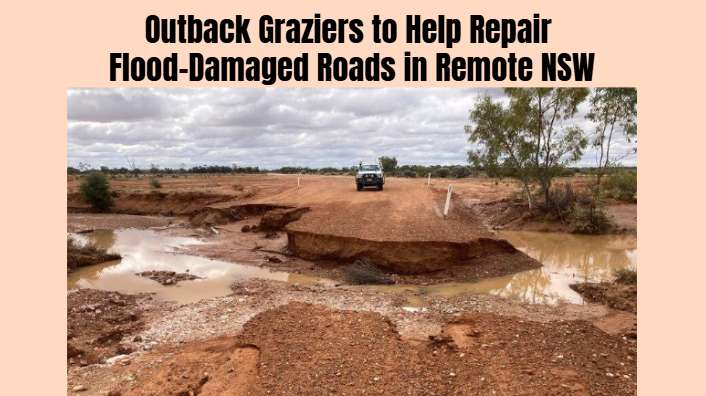
Transport for NSW plans to hire local graziers and station owners to help repair roads damaged by months of heavy rain in the state’s Far West. However,...
A fisherman escaped unharmed after a large crocodile climbed onto his boat while he was fishing alone on the Mary River, prompting renewed safety warnin...
A filmmaker from Bourke in western New South Wales has taken over leadership of an Indigenous film festival in Paris, creating an opportunity to bring A...
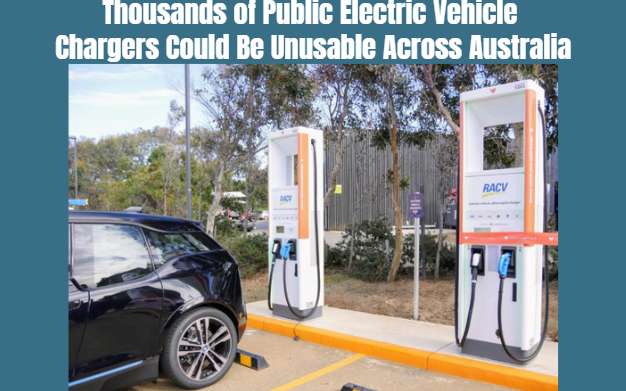
Concerns are growing over the reliability and availability of Australia's public electric vehicle charging network, with thousands of charging points po...
Indigenous women are using traditional weaving and craft-making to strengthen cultural connections, preserve knowledge passed down through generations a...
A psychiatric report presented to South Australia's Supreme Court has raised questions about Tamika Chesser's mental competence in the case involving th...
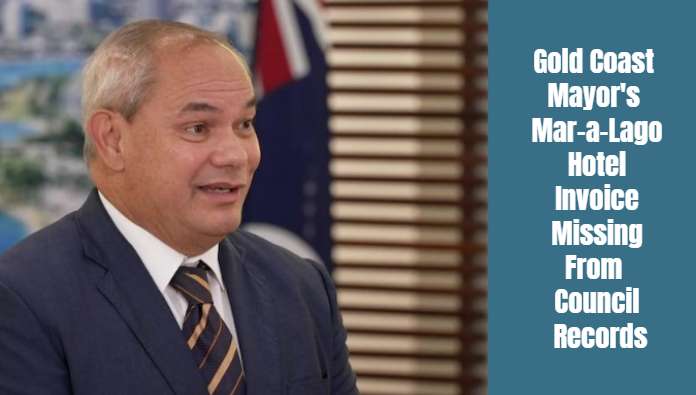
A freedom of information request has revealed that Gold Coast Council does not hold a copy of the invoice for Mayor Tom Tate's three-day stay at Donald...
Eight people have died in separate road crashes across Victoria during the Melbourne Cup long weekend, with four of the fatal incidents involving motorc...