Safety note: Admin approval is an initial review, not a guarantee that every detail is correct. Check important or urgent claims with official sources and report anything inaccurate or unsafe.
Source and credit: Contributor's own report
Outback Graziers to Help Repair Flood-Damaged Roads in Remote NSW - Broken Hill, NSW
Smart summary
Transport for NSW plans to hire local graziers and station owners to help repair roads damaged by months of heavy rain in the state’s Far West. However, landholders say tender requirements and safety rules could delay...
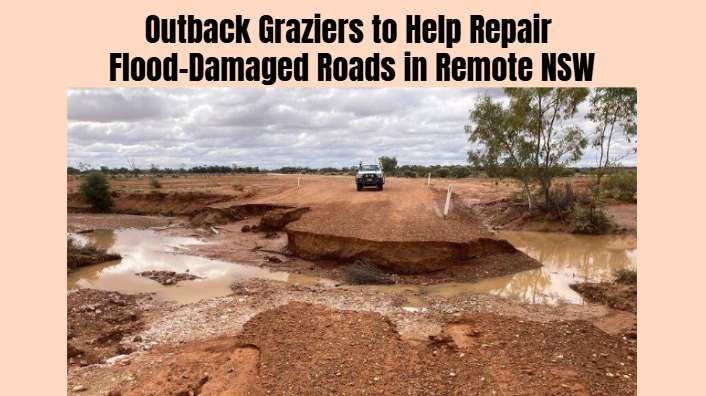
Graziers in remote Far West New South Wales are being offered an opportunity to help repair roads damaged by prolonged heavy rain, as transport authorities seek to speed up maintenance across the region.
Transport for NSW has introduced an initiative to engage local graziers and station owners as contractors to carry out repairs on unsealed roads, using machinery and equipment they may already own. The program follows several natural disasters affecting the area over the past six months, which have placed pressure on an extensive network of rural roads.
The scale of the challenge is significant. Transport for NSW oversees about 2,800 kilometres of unsealed roads in the region, many of which are vulnerable to erosion, flooding and surface damage during periods of heavy rainfall. Some roads have experienced repeated closures, disrupting travel, livestock transport and local businesses.
At Mt Gipps Station, around 40 kilometres north of Broken Hill, station owners Samantha and Richard Maiden have reported substantial impacts from the ongoing road closures. The property operates as a sheep station and also provides farm-stay accommodation. The owners estimate that they have lost more than a quarter of their annual business, with cancelled bookings resulting in an estimated $60,000 in lost revenue.
The repeated closures have also affected the movement of livestock trucks and raised concerns about the safety of road users on unstable surfaces. The station owners say the disruptions have made it difficult for visitors and businesses to access the area.
Under the proposed initiative, interested landholders will be able to tender for road-repair work and receive payment at hourly market rates. Transport for NSW says the approach is intended to make use of local knowledge and existing equipment while helping address the extensive repair workload.
However, some graziers have raised concerns about the administrative requirements involved. These include tender processes, registration costs and the requirement for a trained safety spotter or supervisor to be present during work. Landholders argue that these requirements could make it difficult to respond quickly to urgent repairs, particularly for smaller jobs close to their properties.
Transport for NSW says safety measures are necessary to protect workers and ensure repairs are carried out responsibly. The department has indicated that the program will open for tenders shortly and that consultation with graziers will continue.
Local landholders have suggested a more flexible emergency-response arrangement, allowing qualified operators with suitable equipment to be engaged for nearby repairs without lengthy processes. They say a faster system could help reopen roads sooner and reduce the impact on remote communities and businesses.
The initiative is expected to provide an additional source of repair capacity, but its effectiveness will depend on how quickly contractors can be engaged and work can begin. For communities in the Far West, restoring reliable access is important for everyday travel, tourism, agriculture and the movement of goods.
Transport for NSW is continuing discussions with local landholders as the tender process approaches.
RoadsTransportGraziersStationLandholders
Graziers in remote Far West New South Wales are being offered an opportunity to help repair roads damaged by prolonged heavy rain, as transport authorities seek to speed up maintenance across the region.
Transport for NSW has introduced an initiative to engage local graziers and station owners as contractors to carry out repairs on unsealed roads, using machinery and equipment they may already own. The program follows several natural disasters affecting the area over the past six months, which have placed pressure on an extensive network of rural roads.
The scale of the challenge is significant. Transport for NSW oversees about 2,800 kilometres of unsealed roads in the region, many of which are vulnerable to erosion, flooding and surface damage during periods of heavy rainfall. Some roads have experienced repeated closures, disrupting travel, livestock transport and local businesses.
At Mt Gipps Station, around 40 kilometres north of Broken Hill, station owners Samantha and Richard Maiden have reported substantial impacts from the ongoing road closures. The property operates as a sheep station and also provides farm-stay accommodation. The owners estimate that they have lost more than a quarter of their annual business, with cancelled bookings resulting in an estimated $60,000 in lost revenue.
The repeated closures have also affected the movement of livestock trucks and raised concerns about the safety of road users on unstable surfaces. The station owners say the disruptions have made it difficult for visitors and businesses to access the area.
Under the proposed initiative, interested landholders will be able to tender for road-repair work and receive payment at hourly market rates. Transport for NSW says the approach is intended to make use of local knowledge and existing equipment while helping address the extensive repair workload.
However, some graziers have raised concerns about the administrative requirements involved. These include tender processes, registration costs and the requirement for a trained safety spotter or supervisor to be present during work. Landholders argue that these requirements could make it difficult to respond quickly to urgent repairs, particularly for smaller jobs close to their properties.
Transport for NSW says safety measures are necessary to protect workers and ensure repairs are carried out responsibly. The department has indicated that the program will open for tenders shortly and that consultation with graziers will continue.
Local landholders have suggested a more flexible emergency-response arrangement, allowing qualified operators with suitable equipment to be engaged for nearby repairs without lengthy processes. They say a faster system could help reopen roads sooner and reduce the impact on remote communities and businesses.
The initiative is expected to provide an additional source of repair capacity, but its effectiveness will depend on how quickly contractors can be engaged and work can begin. For communities in the Far West, restoring reliable access is important for everyday travel, tourism, agriculture and the movement of goods.
Transport for NSW is continuing discussions with local landholders as the tender process approaches.
Former Geelong Revival Centre member Bek Condello has revealed her experiences growing up in a strict religious community and how she rebuilt her life a...
A regional news roundup from South West and Great Southern Western Australia highlights environmental concerns, community projects, housing pressures an...
Bathurst New South Wales · Religion News · 14 May 2026
Growth of the internationally recognised endurance race is adding weight to calls for significant investment in the Mount Panorama-Wahluu Racing Circuit and its supporting infra...
Emergency services are responding after a car struck a crowd of Newcastle Knights supporters gathered in Wallsend, Newcastle, ahead of the NRL grand fin...
The upcoming Coffs Harbour bypass is expected to remove around 35,000 vehicles a day from the city's main highway route, prompting local businesses, inc...
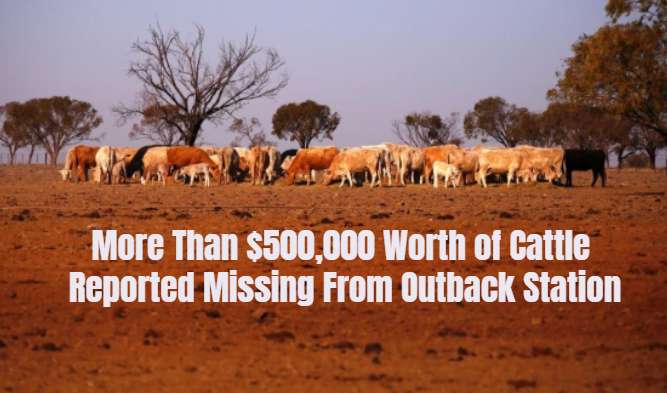
Police are investigating the disappearance of hundreds of thousands of dollars' worth of cattle from an outback property in far-western New South Wales.
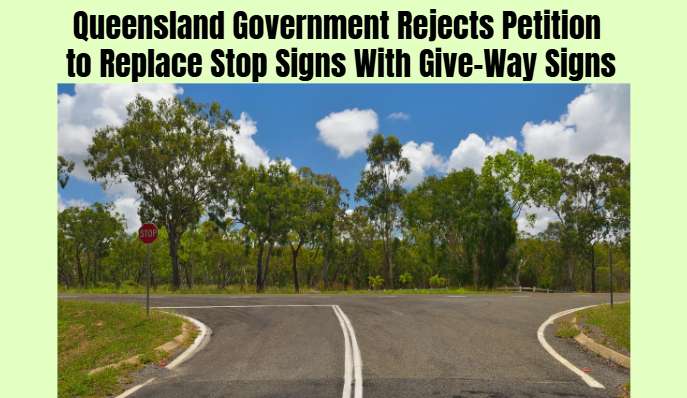
The Queensland Government has rejected a petition calling for stop signs across the state to be replaced with give-way signs. The petition, signed by 39...
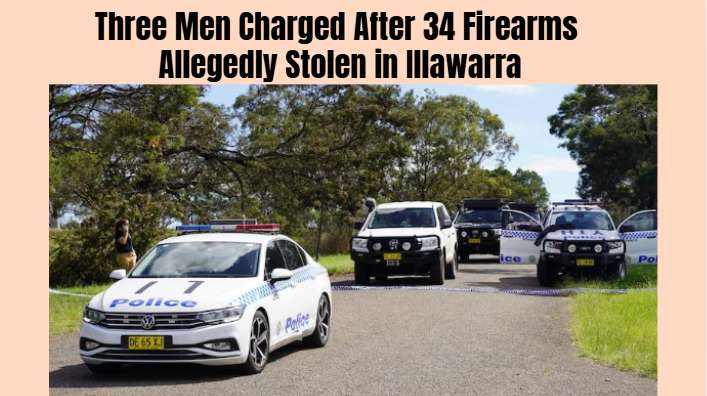
Three men have been charged following an investigation into the alleged theft of 34 firearms, ammunition and jewellery from a property in Kanahooka, sou...
A man has died after his car struck a tree at Carrs Creek, north of Grafton, in New South Wales. Police have established a crime scene and are investiga...
A man has been arrested in South Australia’s Mid North after an investigation into alleged online threats against police officers. He was refused bail f...