Free Hearing Bus Helping 2,000 Australian Children Faces Closure as Funding Ends
By Chloe · Published 30 Oct 2026 · Updated 30 Oct 2026
Dubbo, NSW · New South Wales News
Safety note: Admin approval is an initial review, not a guarantee that every detail is correct. Check important or urgent claims with official sources and report anything inaccurate or unsafe.
Source and credit: Contributor's own report
Free Hearing Bus Helping 2,000 Australian Children Faces Closure as Funding Ends - Dubbo, NSW
Smart summary
A mobile hearing-testing service that has helped thousands of children in regional New South Wales is facing closure after its funding runs out, raising concerns about access to early diagnosis.
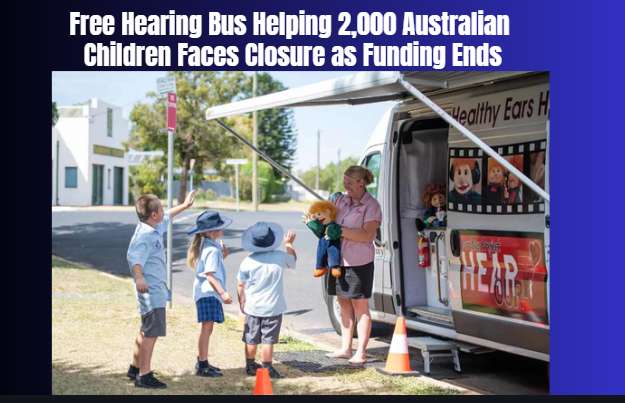
A free mobile hearing service that has helped approximately 2,000 children across regional Australia is facing an uncertain future after funding concerns threatened its continued operation. The development was reported on 30 October 2026 and has raised concerns among families and healthcare professionals about access to hearing assessments for children living outside major cities.
The mobile hearing service has provided children with access to hearing tests without requiring families to travel long distances to major hospitals or specialist clinics. Its work has been particularly important for regional communities, where specialist healthcare services can be difficult to access.
One family whose experience demonstrates the importance of the service is that of young Eli Wright. A free hearing examination helped identify a cyst that was located just millimetres away from his brain. The discovery demonstrated how an apparently routine hearing assessment can sometimes identify a medical problem requiring further investigation.
For children, hearing difficulties can affect several important aspects of development. Hearing plays a significant role in speech development, communication, classroom learning and social interaction. When hearing problems remain undetected, children may experience difficulties understanding teachers, following conversations or participating in everyday activities.
Early identification allows families and healthcare professionals to investigate potential problems and arrange appropriate treatment or support. This is particularly important for children in regional areas, where waiting for specialist appointments can create additional challenges.
The mobile service helps address these barriers by taking hearing assessments directly to communities. Rather than requiring every family to organise travel to a metropolitan medical facility, the service provides an accessible option closer to home.
However, its future is now uncertain because the funding supporting its operation is coming to an end. Without continued financial assistance, the service could face closure, potentially leaving families with fewer opportunities to obtain convenient hearing assessments for their children.
Parents and healthcare advocates are concerned that losing the mobile service could create additional pressure on existing regional health facilities. Families may need to travel further, wait longer for appointments or find alternative providers.
Regional healthcare access remains an important issue throughout Australia. While major cities generally have larger networks of hospitals and specialists, smaller towns often face shortages of medical professionals and limited access to specialised equipment.
Mobile healthcare programs can help reduce these differences by bringing essential services directly to communities. They can also identify health problems earlier, potentially reducing the need for more complicated medical treatment later.
The funding uncertainty has therefore renewed discussion about the importance of long-term support for preventative healthcare programs, particularly those serving children.
Families and advocates are hoping that government agencies and relevant organisations will consider ways to maintain the service. Continued funding could allow the mobile program to keep supporting children who might otherwise struggle to access hearing assessments.
The future of the hearing bus remains an important concern for regional communities. Its potential closure highlights the challenges of maintaining accessible healthcare services for Australian children, especially those living far from major medical centres.
HearingChildrenHealthcareServiceAccess
A free mobile hearing service that has helped approximately 2,000 children across regional Australia is facing an uncertain future after funding concerns threatened its continued operation. The development was reported on 30 October 2026 and has raised concerns among families and healthcare professionals about access to hearing assessments for children living outside major cities.
The mobile hearing service has provided children with access to hearing tests without requiring families to travel long distances to major hospitals or specialist clinics. Its work has been particularly important for regional communities, where specialist healthcare services can be difficult to access.
One family whose experience demonstrates the importance of the service is that of young Eli Wright. A free hearing examination helped identify a cyst that was located just millimetres away from his brain. The discovery demonstrated how an apparently routine hearing assessment can sometimes identify a medical problem requiring further investigation.
For children, hearing difficulties can affect several important aspects of development. Hearing plays a significant role in speech development, communication, classroom learning and social interaction. When hearing problems remain undetected, children may experience difficulties understanding teachers, following conversations or participating in everyday activities.
Early identification allows families and healthcare professionals to investigate potential problems and arrange appropriate treatment or support. This is particularly important for children in regional areas, where waiting for specialist appointments can create additional challenges.
The mobile service helps address these barriers by taking hearing assessments directly to communities. Rather than requiring every family to organise travel to a metropolitan medical facility, the service provides an accessible option closer to home.
However, its future is now uncertain because the funding supporting its operation is coming to an end. Without continued financial assistance, the service could face closure, potentially leaving families with fewer opportunities to obtain convenient hearing assessments for their children.
Parents and healthcare advocates are concerned that losing the mobile service could create additional pressure on existing regional health facilities. Families may need to travel further, wait longer for appointments or find alternative providers.
Regional healthcare access remains an important issue throughout Australia. While major cities generally have larger networks of hospitals and specialists, smaller towns often face shortages of medical professionals and limited access to specialised equipment.
Mobile healthcare programs can help reduce these differences by bringing essential services directly to communities. They can also identify health problems earlier, potentially reducing the need for more complicated medical treatment later.
The funding uncertainty has therefore renewed discussion about the importance of long-term support for preventative healthcare programs, particularly those serving children.
Families and advocates are hoping that government agencies and relevant organisations will consider ways to maintain the service. Continued funding could allow the mobile program to keep supporting children who might otherwise struggle to access hearing assessments.
The future of the hearing bus remains an important concern for regional communities. Its potential closure highlights the challenges of maintaining accessible healthcare services for Australian children, especially those living far from major medical centres.
A metal detector led a Broken Hill prospector to a rare 1.2-kilogram gold nugget near Tibooburra after several days of searching in remote New South Wales.
After finishing at the bottom of the ladder in 2023, the Western Bulldogs have rebuilt their playing list and team structure to reach the AFL Women's fi...
A Western Australian farmer says a series of suspected dog attacks has killed or forced the euthanasia of about 80 sheep over five months, with authorit...
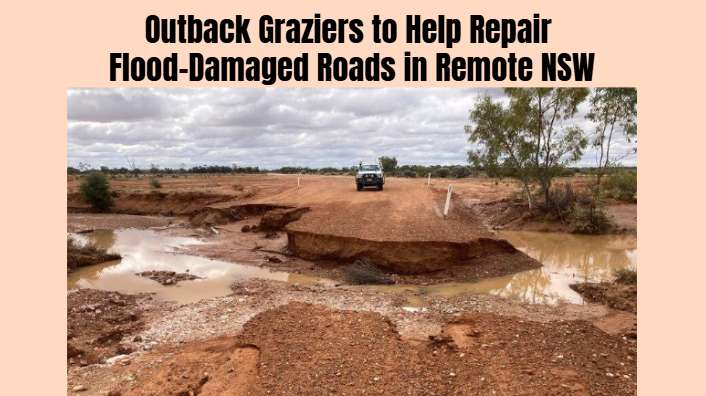
Transport for NSW plans to hire local graziers and station owners to help repair roads damaged by months of heavy rain in the state’s Far West. However,...
New South Wales has begun accepting firearms under the national gun buyback scheme, but limited appointment availability has created an early challenge...
Australian property values have fallen for seven consecutive months, with the national median home value dropping approximately $63,400 since March as h...
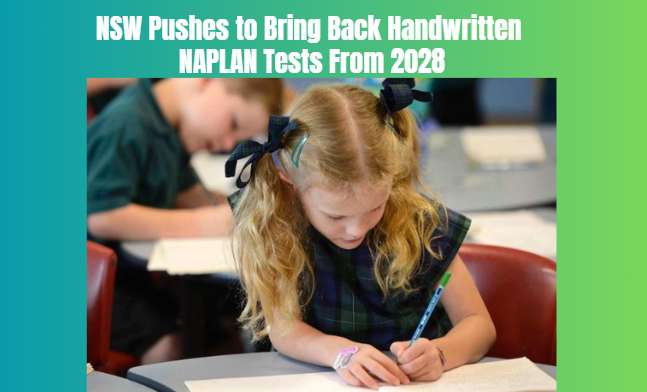
Education experts support New South Wales' proposal to replace computer-based NAPLAN writing tests with traditional pen-and-paper examinations for stude...
A psychiatric report presented to South Australia's Supreme Court has raised questions about Tamika Chesser's mental competence in the case involving th...
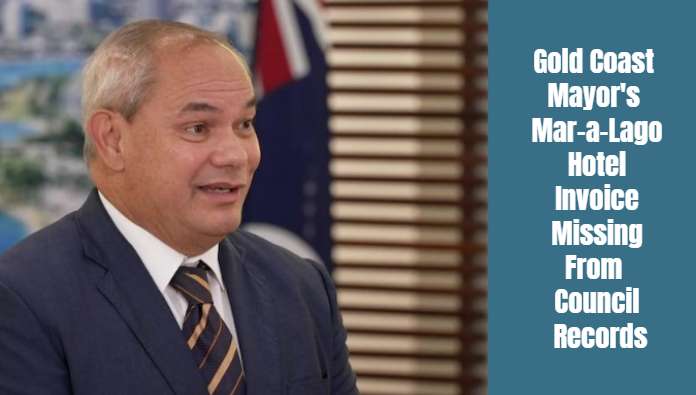
A freedom of information request has revealed that Gold Coast Council does not hold a copy of the invoice for Mayor Tom Tate's three-day stay at Donald...
Eight people have died in separate road crashes across Victoria during the Melbourne Cup long weekend, with four of the fatal incidents involving motorc...