Tasmanian Farmers Face Major Crop Losses as Mid-Season Irrigation Water Cuts Hit Farms
By Chloe · Published 27 Nov 2026 · Updated 27 Nov 2026
Central Highlands, TAS
Safety note: Admin approval is an initial review, not a guarantee that every detail is correct. Check important or urgent claims with official sources and report anything inaccurate or unsafe.
Source and credit: Contributor's own report
Tasmanian Farmers Face Major Crop Losses as Mid-Season Irrigation Water Cuts Hit Farms - Central Highlands, TAS
Smart summary
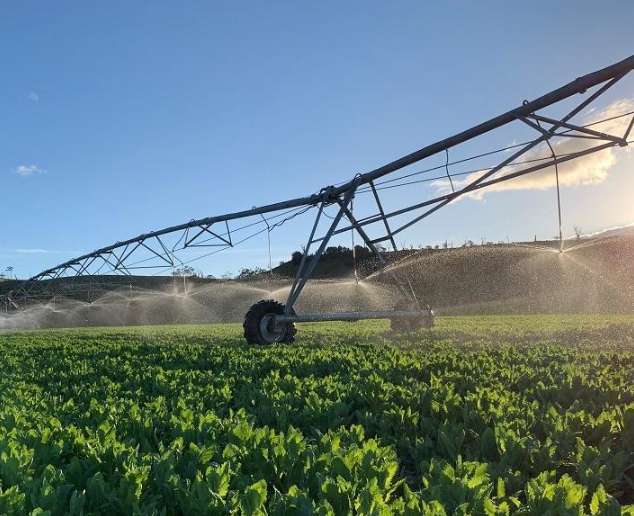
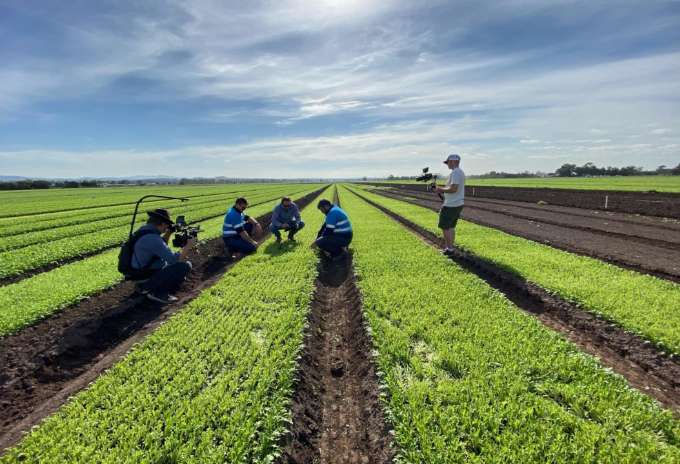
Farmers in Tasmania's Central Highlands are warning of millions of dollars in potential crop losses as dry conditions and mid-season irrigation restrictions threaten agricultural production.
Farmers in Tasmania's Central Highlands are facing the threat of substantial crop losses as prolonged dry weather and proposed irrigation water restrictions place agricultural production under serious pressure.
The situation is particularly concerning for farmers around Bothwell, where agricultural businesses depend on irrigation water to grow crops and maintain their operations.
Farmer Will Bignell has warned that his business could lose between $700,000 and $1 million if planned water restrictions prevent him from accessing sufficient irrigation supplies.
The region has experienced several difficult seasons, with dry winter conditions followed by a challenging spring. Farmers say the lack of reliable rainfall has made it increasingly difficult to maintain crops and plan agricultural activities.
The River Clyde Irrigation District is particularly important for local agriculture. Around 20 farms depend on the district's water supply, which is connected to Lakes Sorell and Crescent.
Farmers had already agreed to use only 40 per cent of their allocated water during the growing season in an effort to manage limited supplies. However, the Tasmanian Department of Natural Resources and Environment has warned that further reductions may be necessary.
Department modelling indicates that Lakes Sorell and Crescent could fall to critically low levels if current conditions continue.
The potential restrictions have created uncertainty for agricultural businesses that have already planted crops based on previously expected water allocations.
Several important agricultural products could be affected, including carrot seed, poppies, barley and wheat.
These crops support wider supply chains. Carrot seed is used to produce commercial carrot varieties, poppies have pharmaceutical applications, and cereal crops provide important supplies for the dairy industry.
A reduction in irrigation water could therefore affect not only individual farms but also businesses that depend on agricultural production.
Farmers have questioned the department's proposed water restriction triggers. They argue that the lakes have historically experienced lower water levels and subsequently recovered through natural rainfall and water transfers.
The department, however, says decisions must account for changing climate conditions and the need to protect aquatic habitats, wetlands and water quality.
Authorities are concerned that critically low lake levels could create environmental problems and threaten the reliability of water supplies for different users.
Rain is forecast over the weekend, but it is not expected to provide enough water to significantly refill the region's dams and lakes.
Climate scientist Matthew Harrison has also warned that the coming summer could be hotter and drier than average, with forecasts indicating a 60 to 80 per cent chance of these conditions.
For local farmers, the situation has created financial uncertainty and considerable personal stress. Some agricultural businesses may have to sell livestock if water availability becomes too limited to maintain operations.
The dispute highlights the growing challenges facing regional agriculture as changing weather conditions affect water availability and food production.
Farmers are seeking a practical solution that protects the region's water resources while allowing existing agricultural businesses to survive the current growing season.
The coming weeks will be important in determining how much irrigation water remains available and how seriously the restrictions affect Tasmania's agricultural production.
WaterAgriculturalFarmersIrrigationCould
Farmers in Tasmania's Central Highlands are facing the threat of substantial crop losses as prolonged dry weather and proposed irrigation water restrictions place agricultural production under serious pressure.
The situation is particularly concerning for farmers around Bothwell, where agricultural businesses depend on irrigation water to grow crops and maintain their operations.
Farmer Will Bignell has warned that his business could lose between $700,000 and $1 million if planned water restrictions prevent him from accessing sufficient irrigation supplies.
The region has experienced several difficult seasons, with dry winter conditions followed by a challenging spring. Farmers say the lack of reliable rainfall has made it increasingly difficult to maintain crops and plan agricultural activities.
The River Clyde Irrigation District is particularly important for local agriculture. Around 20 farms depend on the district's water supply, which is connected to Lakes Sorell and Crescent.
Farmers had already agreed to use only 40 per cent of their allocated water during the growing season in an effort to manage limited supplies. However, the Tasmanian Department of Natural Resources and Environment has warned that further reductions may be necessary.
Department modelling indicates that Lakes Sorell and Crescent could fall to critically low levels if current conditions continue.
The potential restrictions have created uncertainty for agricultural businesses that have already planted crops based on previously expected water allocations.
Several important agricultural products could be affected, including carrot seed, poppies, barley and wheat.
These crops support wider supply chains. Carrot seed is used to produce commercial carrot varieties, poppies have pharmaceutical applications, and cereal crops provide important supplies for the dairy industry.
A reduction in irrigation water could therefore affect not only individual farms but also businesses that depend on agricultural production.
Farmers have questioned the department's proposed water restriction triggers. They argue that the lakes have historically experienced lower water levels and subsequently recovered through natural rainfall and water transfers.
The department, however, says decisions must account for changing climate conditions and the need to protect aquatic habitats, wetlands and water quality.
Authorities are concerned that critically low lake levels could create environmental problems and threaten the reliability of water supplies for different users.
Rain is forecast over the weekend, but it is not expected to provide enough water to significantly refill the region's dams and lakes.
Climate scientist Matthew Harrison has also warned that the coming summer could be hotter and drier than average, with forecasts indicating a 60 to 80 per cent chance of these conditions.
For local farmers, the situation has created financial uncertainty and considerable personal stress. Some agricultural businesses may have to sell livestock if water availability becomes too limited to maintain operations.
The dispute highlights the growing challenges facing regional agriculture as changing weather conditions affect water availability and food production.
Farmers are seeking a practical solution that protects the region's water resources while allowing existing agricultural businesses to survive the current growing season.
The coming weeks will be important in determining how much irrigation water remains available and how seriously the restrictions affect Tasmania's agricultural production.
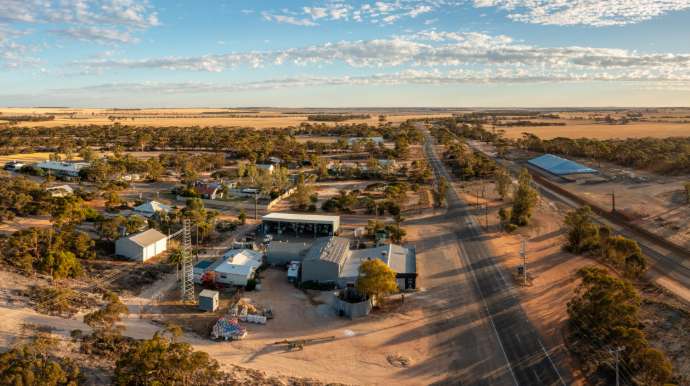
Communities across Western Australia's Wheatbelt are demanding a review of census figures, arguing that missing census information and failed delivery o...
A mobile hearing-testing service that has helped thousands of children in regional New South Wales is facing closure after its funding runs out, raising...
A metal detector led a Broken Hill prospector to a rare 1.2-kilogram gold nugget near Tibooburra after several days of searching in remote New South Wales.
After finishing at the bottom of the ladder in 2023, the Western Bulldogs have rebuilt their playing list and team structure to reach the AFL Women's fi...
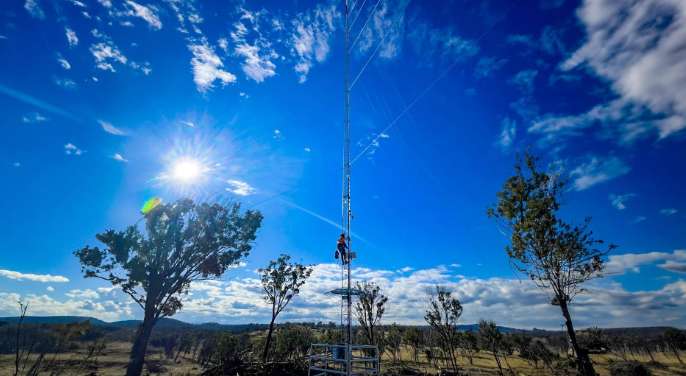
Renewable energy company Vestas has removed a 120-metre wind-monitoring tower from a proposed wind farm site on the Western Downs after local pilots rep...
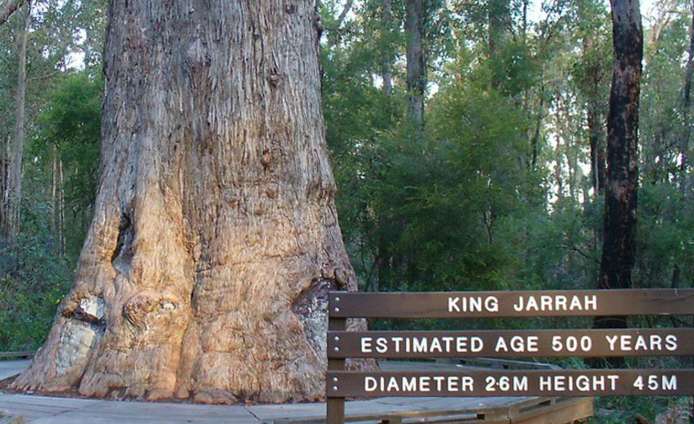
A landmark jarrah tree in Wellington National Park has been cut with a chainsaw near its base, prompting a police investigation and fears that the ancie...
Victoria's Labour Hire Authority has uncovered alleged worker exploitation on three farms near Bairnsdale, with workers reportedly receiving up to 35 pe...
Emergency services are continuing their search for French-born kitesurfer Eric Metrot, who disappeared during a kitesurfing session near Five Finger Ree...
Renewable energy company Vestas has removed a 120-metre wind-monitoring tower from a proposed wind farm site on the Western Downs after local pilots rep...
Tasmania's government expects to continue building the Macquarie Point stadium even if it cannot secure additional money from the federal government or...
A landmark jarrah tree in Wellington National Park has been cut with a chainsaw near its base, prompting a police investigation and fears that the ancie...
Victoria's Labour Hire Authority has uncovered alleged worker exploitation on three farms near Bairnsdale, with workers reportedly receiving up to 35 pe...