Safety note: Admin approval is an initial review, not a guarantee that every detail is correct. Check important or urgent claims with official sources and report anything inaccurate or unsafe.
Source and credit: Contributor's own report
Australian Teen Leo Follows Messi’s Path After Overcoming Growth Hormone Deficiency - Adelaide, SA
Smart summary
A young Australian footballer from Adelaide has overcome the same rare medical condition that once threatened Lionel Messi’s career, inspiring hopes of representing Australia on football’s biggest stage.
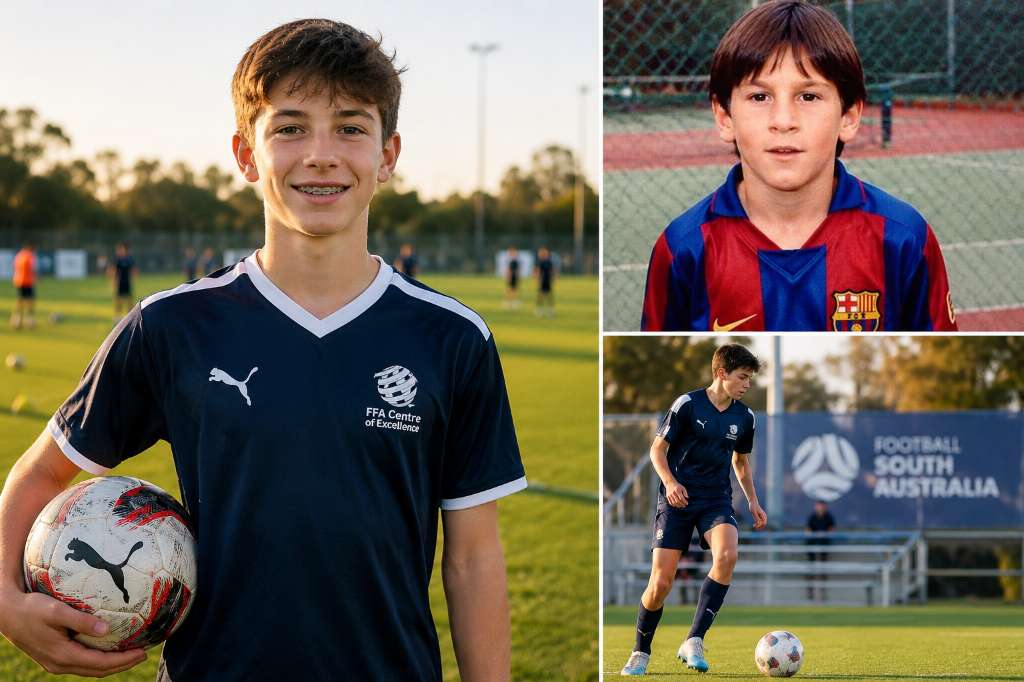
An Adelaide teenager is drawing inspiration from football legend Lionel Messi after overcoming the same childhood medical condition that nearly prevented the Argentine superstar from becoming one of the greatest players in history.
Leo, a talented young Australian footballer, was diagnosed with growth hormone deficiency (GHD) as a child. The rare condition affects the body's ability to produce sufficient growth hormone, leading to significantly slower physical development if left untreated. Like Messi, Leo required years of hormone treatment while continuing to pursue his passion for football.
For Leo and his family, Messi's story became a powerful source of motivation. Messi was diagnosed with growth hormone deficiency at the age of 10 and underwent expensive hormone treatment before joining FC Barcelona's famous La Masia academy. Barcelona's decision to support his treatment changed the course of football history, allowing him to develop into an eight-time Ballon d'Or winner and World Cup champion.
Leo's parents said learning about Messi's journey gave them hope that the diagnosis would not define their son's future. They encouraged him to focus on his football development while following medical advice throughout his treatment.
Doctors explain that growth hormone deficiency can usually be managed successfully when diagnosed early. With appropriate hormone replacement therapy, many children achieve normal growth and are able to participate fully in school, sport and everyday activities. Early diagnosis and consistent treatment remain the key factors in achieving positive long-term outcomes.
Now progressing through Australia's youth football system, Leo dreams of one day wearing the Socceroos jersey and competing at a FIFA World Cup. Coaches say his determination, technical ability and resilience have become defining characteristics of his game.
The teenager hopes his story will encourage other children facing medical challenges not to abandon their ambitions. He believes that although the treatment process was demanding, it taught him discipline and perseverance that continue to help both on and off the football field.
Medical specialists note that awareness of growth hormone deficiency has improved significantly over the past two decades. Parents are encouraged to seek medical advice if children experience unusually slow growth compared with their peers, as earlier intervention generally produces better outcomes.
Messi's success has become one of the world's most famous examples of overcoming the condition. His career demonstrates that physical challenges during childhood do not necessarily prevent sporting excellence when appropriate treatment and support are available.
For Leo, Messi's journey is more than a football story—it's proof that setbacks can become part of a much larger success story. As he continues developing his skills, he hopes to inspire other young Australians facing similar challenges, showing that determination, family support and modern medical care can open doors that once seemed impossible.
Whether or not Leo eventually reaches professional football, his journey already highlights the importance of early diagnosis, access to treatment and the belief that no dream is too big because of a childhood medical condition.
HormoneFootballGrowthMessiTreatment
An Adelaide teenager is drawing inspiration from football legend Lionel Messi after overcoming the same childhood medical condition that nearly prevented the Argentine superstar from becoming one of the greatest players in history.
Leo, a talented young Australian footballer, was diagnosed with growth hormone deficiency (GHD) as a child. The rare condition affects the body's ability to produce sufficient growth hormone, leading to significantly slower physical development if left untreated. Like Messi, Leo required years of hormone treatment while continuing to pursue his passion for football.
For Leo and his family, Messi's story became a powerful source of motivation. Messi was diagnosed with growth hormone deficiency at the age of 10 and underwent expensive hormone treatment before joining FC Barcelona's famous La Masia academy. Barcelona's decision to support his treatment changed the course of football history, allowing him to develop into an eight-time Ballon d'Or winner and World Cup champion.
Leo's parents said learning about Messi's journey gave them hope that the diagnosis would not define their son's future. They encouraged him to focus on his football development while following medical advice throughout his treatment.
Doctors explain that growth hormone deficiency can usually be managed successfully when diagnosed early. With appropriate hormone replacement therapy, many children achieve normal growth and are able to participate fully in school, sport and everyday activities. Early diagnosis and consistent treatment remain the key factors in achieving positive long-term outcomes.
Now progressing through Australia's youth football system, Leo dreams of one day wearing the Socceroos jersey and competing at a FIFA World Cup. Coaches say his determination, technical ability and resilience have become defining characteristics of his game.
The teenager hopes his story will encourage other children facing medical challenges not to abandon their ambitions. He believes that although the treatment process was demanding, it taught him discipline and perseverance that continue to help both on and off the football field.
Medical specialists note that awareness of growth hormone deficiency has improved significantly over the past two decades. Parents are encouraged to seek medical advice if children experience unusually slow growth compared with their peers, as earlier intervention generally produces better outcomes.
Messi's success has become one of the world's most famous examples of overcoming the condition. His career demonstrates that physical challenges during childhood do not necessarily prevent sporting excellence when appropriate treatment and support are available.
For Leo, Messi's journey is more than a football story—it's proof that setbacks can become part of a much larger success story. As he continues developing his skills, he hopes to inspire other young Australians facing similar challenges, showing that determination, family support and modern medical care can open doors that once seemed impossible.
Whether or not Leo eventually reaches professional football, his journey already highlights the importance of early diagnosis, access to treatment and the belief that no dream is too big because of a childhood medical condition.
New funding from local charity Wishlist is improving communication support for patients at Bundaberg Hospital, with resources designed to help people communicate more effectivel...
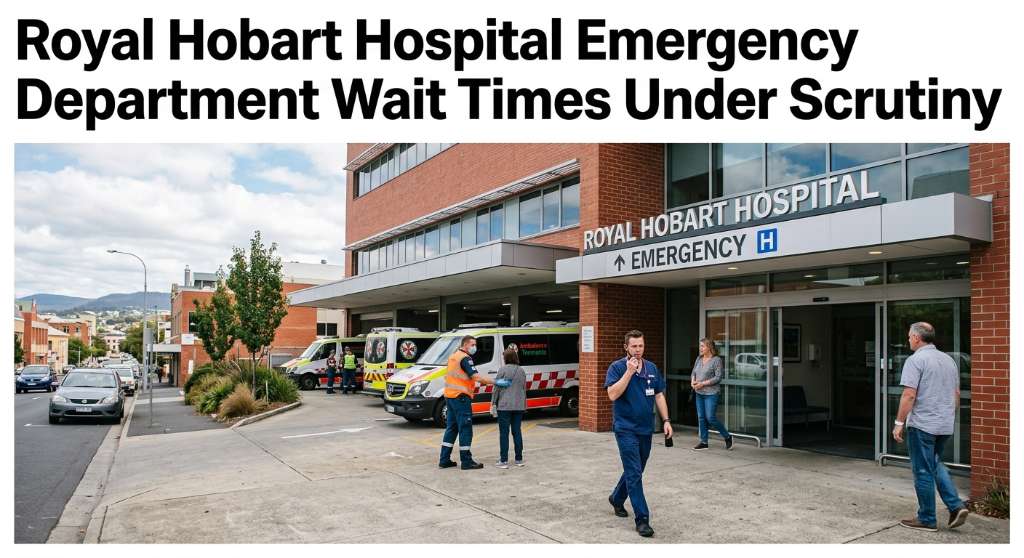
New figures have renewed concerns about emergency department delays at Royal Hobart Hospital, with the health system facing questions over patient waiti...
Central Coast New South Wales · Health News · 10 Sep 2026
The design for new Key Health Worker Accommodation at Wyong has been released today, with the project aimed at helping address the need for suitable accommodation for healthcare...
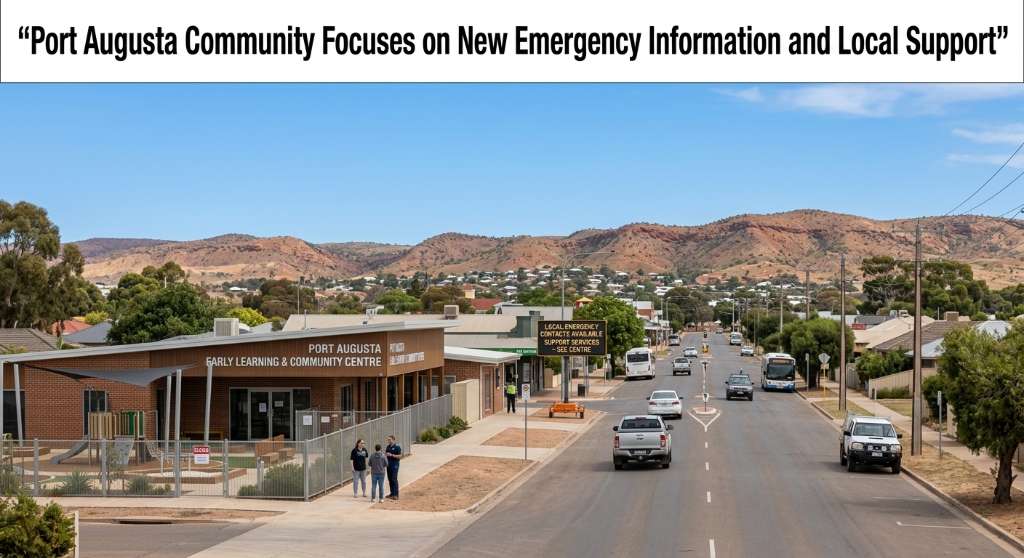
New community information initiatives are helping residents access emergency warnings and local support as Port Augusta and the wider region prepare for...
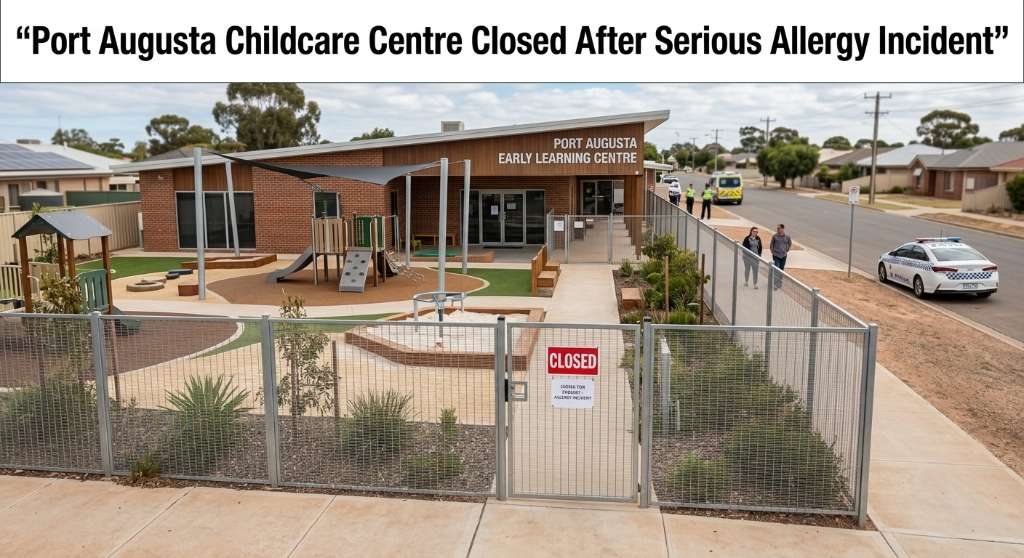
An Edge Early Learning centre in Port Augusta has been ordered to close for two weeks after a child with allergies was hospitalised after being given fo...
A 44-year-old man has been jailed after police found suspected methamphetamine, GHB and more than $40,000 in cash before he travelled towards Mount Gamb...
Cairns Regional Council has unanimously voted to seek $400,000 in Queensland Government funding for a program designed to connect local businesses with the region’s growing film...
An automated external defibrillator and memorial plaque have been installed at Ellery Creek Big Hole following the death of disability advocate Ellen Fr...
Queensland firefighters spent several hours monitoring a significant grass fire at Mary Kinross Park in Bargara, near Bundaberg, after the blaze broke out on Wednesday evening....