Safety note: Admin approval is an initial review, not a guarantee that every detail is correct. Check important or urgent claims with official sources and report anything inaccurate or unsafe.
Source and credit: Contributor's own report
Baby’s Death at Redcliffe Hospital Linked to Congenital Heart Condition, Inquest Finds - Brisbane, QLD
Smart summary
An inquest into the death of a newborn at Redcliffe Hospital has found a congenital heart condition was a significant factor, raising questions about detection and clinical care.
A Queensland inquest has examined the death of a newborn baby at Redcliffe Hospital, finding that a congenital heart condition was involved in the child’s death. The case has highlighted the challenges of detecting serious medical conditions before birth and the importance of thorough monitoring and newborn care.
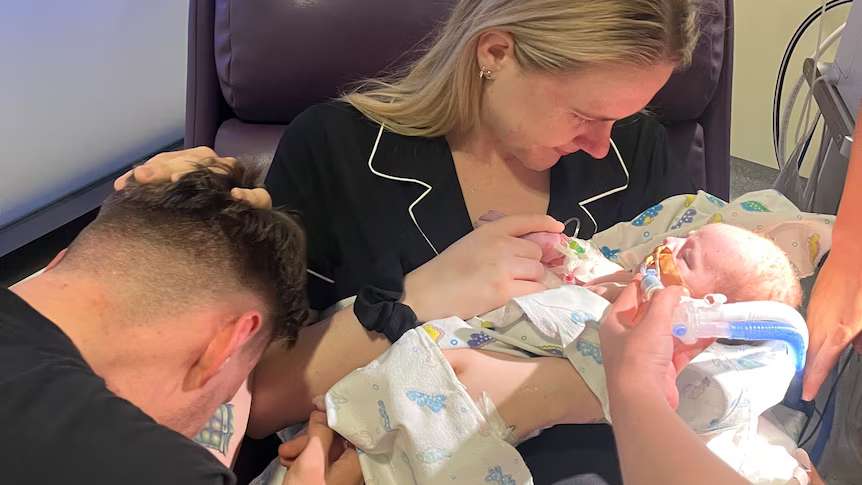
The baby, Thea Flaskett, died shortly after birth at Redcliffe Hospital, north of Brisbane, in 2023. Her death prompted a clinical review by the Metro North Health service and led to further examination of hospital practices, including neonatal care and emergency response procedures.
The inquest considered several possible factors surrounding the baby’s death, including whether a congenital heart defect or other pregnancy-related complications could have been identified earlier. Congenital heart defects are conditions affecting the structure of the heart that are present from birth and can vary widely in severity.
During the investigation, attention was given to whether medical scans and pregnancy monitoring provided enough information to identify potential risks before delivery. The inquest also examined the care provided after birth and whether any changes to hospital procedures could help prevent similar tragedies in the future.
The case has been closely followed by the baby’s family, who raised concerns about their experience during the pregnancy and delivery. They sought answers about whether warning signs were present and whether different actions could have changed the outcome.
Health experts say congenital heart conditions can sometimes be difficult to detect, even with routine pregnancy screening. Some heart defects may not become obvious until after birth, when newborns begin adapting to changes in circulation. Early identification and rapid medical response can be important factors in managing serious heart conditions.
The inquest also considered whether improvements could be made to hospital systems, policies and training. Reviews following serious medical incidents often aim to identify lessons that can strengthen healthcare practices and improve safety for future patients.
Redcliffe Hospital and health authorities have previously undertaken reviews and introduced changes following the baby’s death. These reviews are designed to improve neonatal care, emergency procedures and support for families during difficult medical situations.
The findings have renewed discussion about the importance of advanced pregnancy monitoring, communication between healthcare teams and ensuring families receive clear information about potential risks.
While the outcome cannot change the loss experienced by the family, the inquest process aims to provide answers and identify improvements that may help prevent similar incidents. The case serves as a reminder of the complexity of newborn healthcare and the ongoing need for strong medical systems that support both babies and families.
HeartHospitalBabyDeathInquest
A Queensland inquest has examined the death of a newborn baby at Redcliffe Hospital, finding that a congenital heart condition was involved in the child’s death. The case has highlighted the challenges of detecting serious medical conditions before birth and the importance of thorough monitoring and newborn care.
The baby, Thea Flaskett, died shortly after birth at Redcliffe Hospital, north of Brisbane, in 2023. Her death prompted a clinical review by the Metro North Health service and led to further examination of hospital practices, including neonatal care and emergency response procedures.
The inquest considered several possible factors surrounding the baby’s death, including whether a congenital heart defect or other pregnancy-related complications could have been identified earlier. Congenital heart defects are conditions affecting the structure of the heart that are present from birth and can vary widely in severity.
During the investigation, attention was given to whether medical scans and pregnancy monitoring provided enough information to identify potential risks before delivery. The inquest also examined the care provided after birth and whether any changes to hospital procedures could help prevent similar tragedies in the future.
The case has been closely followed by the baby’s family, who raised concerns about their experience during the pregnancy and delivery. They sought answers about whether warning signs were present and whether different actions could have changed the outcome.
Health experts say congenital heart conditions can sometimes be difficult to detect, even with routine pregnancy screening. Some heart defects may not become obvious until after birth, when newborns begin adapting to changes in circulation. Early identification and rapid medical response can be important factors in managing serious heart conditions.
The inquest also considered whether improvements could be made to hospital systems, policies and training. Reviews following serious medical incidents often aim to identify lessons that can strengthen healthcare practices and improve safety for future patients.
Redcliffe Hospital and health authorities have previously undertaken reviews and introduced changes following the baby’s death. These reviews are designed to improve neonatal care, emergency procedures and support for families during difficult medical situations.
The findings have renewed discussion about the importance of advanced pregnancy monitoring, communication between healthcare teams and ensuring families receive clear information about potential risks.
While the outcome cannot change the loss experienced by the family, the inquest process aims to provide answers and identify improvements that may help prevent similar incidents. The case serves as a reminder of the complexity of newborn healthcare and the ongoing need for strong medical systems that support both babies and families.
New funding from local charity Wishlist is improving communication support for patients at Bundaberg Hospital, with resources designed to help people communicate more effectivel...
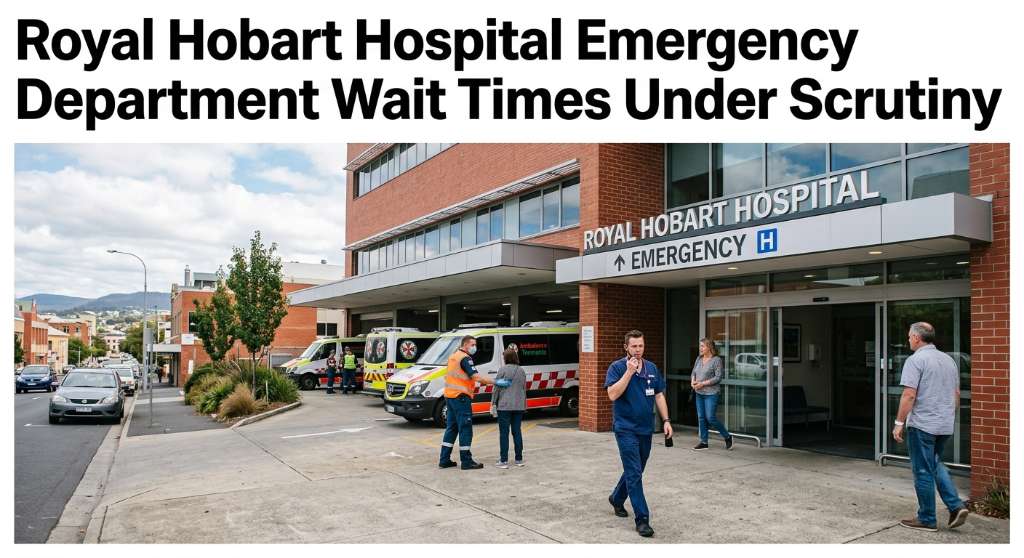
New figures have renewed concerns about emergency department delays at Royal Hobart Hospital, with the health system facing questions over patient waiti...
Central Coast New South Wales · Health News · 10 Sep 2026
The design for new Key Health Worker Accommodation at Wyong has been released today, with the project aimed at helping address the need for suitable accommodation for healthcare...
Queensland's emerging football prospects are coming together for a three-day Brisbane Lions State Academy showcase, giving young players an opportunity...
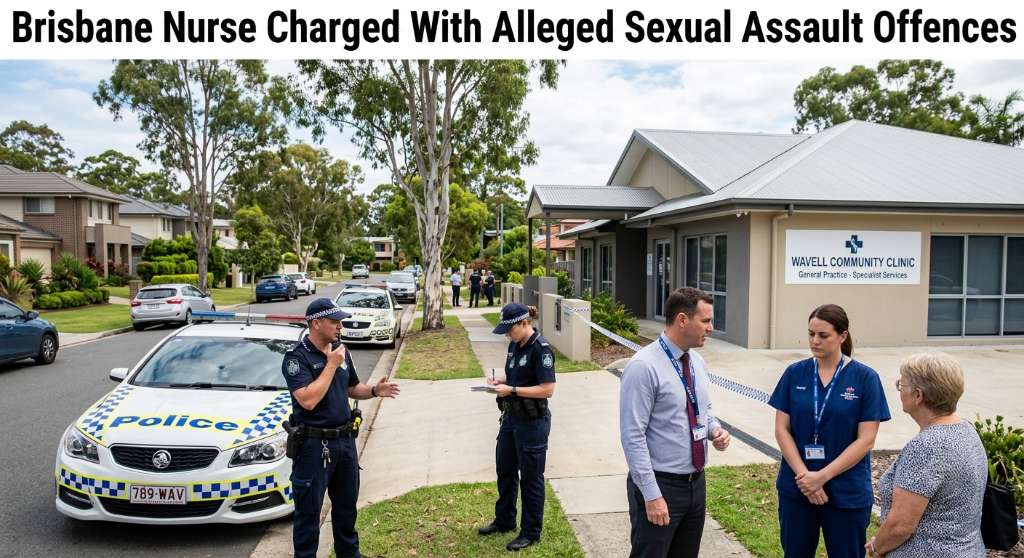
A Wavell Heights enrolled nurse has been charged with four counts of alleged sexual assault and one count of wilful exposure, with his professional regi...
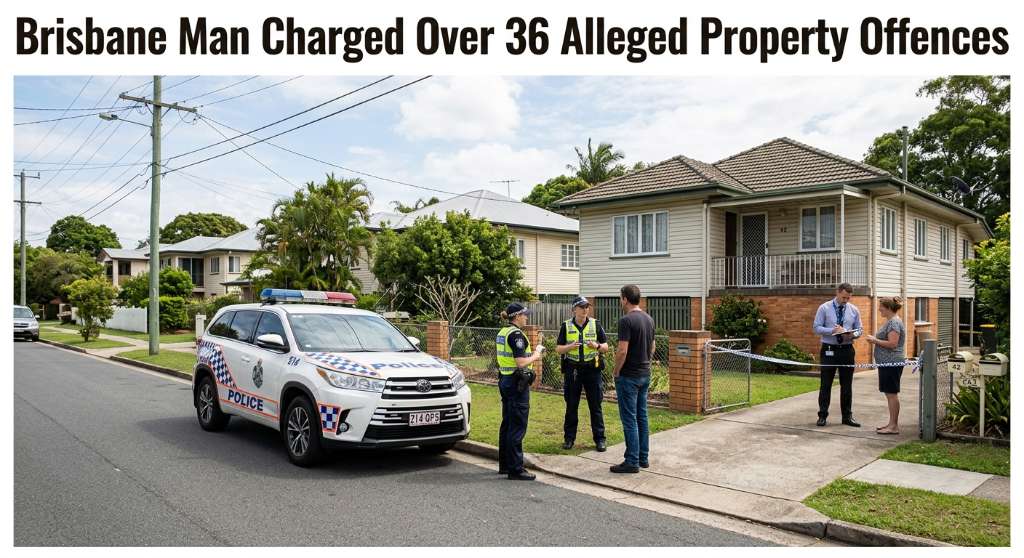
A 24-year-old Carina Heights man has been charged with 36 offences following an investigation into alleged break-ins, vehicle offences and other propert...
Cairns Regional Council has unanimously voted to seek $400,000 in Queensland Government funding for a program designed to connect local businesses with the region’s growing film...
An automated external defibrillator and memorial plaque have been installed at Ellery Creek Big Hole following the death of disability advocate Ellen Fr...
Queensland firefighters spent several hours monitoring a significant grass fire at Mary Kinross Park in Bargara, near Bundaberg, after the blaze broke out on Wednesday evening....