Safety note: Admin approval is an initial review, not a guarantee that every detail is correct. Check important or urgent claims with official sources and report anything inaccurate or unsafe.
Source and credit: Contributor's own report
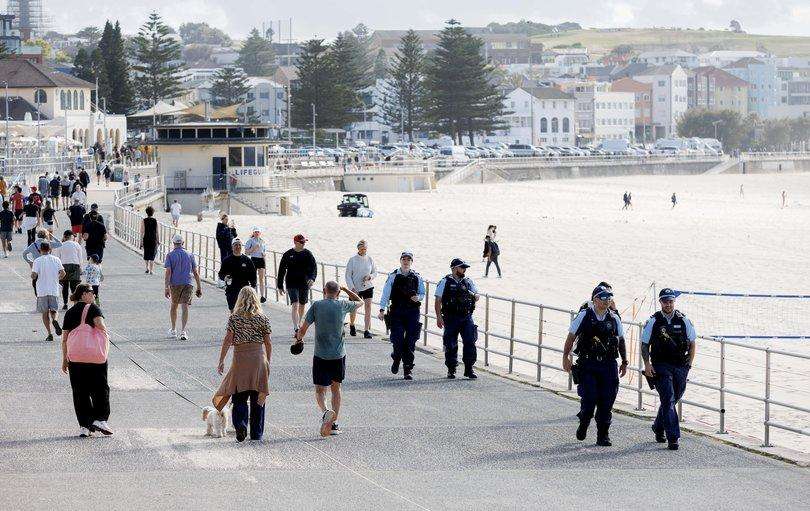
Bondi antisemitism inquiry hears calls for stronger security measures, including armed guards at Jewish events - Sydney, NSW
Smart summary
The Royal Commission into Antisemitism and Social Cohesion is examining whether security arrangements for Jewish communities need to change following concerns about rising threats and attacks.
A national inquiry into antisemitism and social cohesion has heard renewed calls for stronger security protections for Jewish communities in Australia, including discussions about whether specially trained security personnel should be allowed to carry firearms at high-risk events.
The issue was raised during hearings of the Royal Commission on Antisemitism and Social Cohesion, which is examining security arrangements, government support, police coordination and community safety measures. The commission’s security hearing block has focused on how Jewish institutions, cultural events and community leaders are protected from potential threats.
Community representatives told the inquiry that Jewish Australians have experienced increased fear and anxiety following a rise in antisemitic incidents and threats. They argued that security arrangements need to adapt to the changing environment and that more resources may be required to protect public gatherings.
One of the major topics being examined is the role of community security organisations, including the Community Security Group NSW (CSG NSW), which provides security support at Jewish events and institutions. Witnesses have discussed whether these groups should have expanded powers and whether trained personnel should be permitted to use firearms under strict regulations.
Supporters of armed community security argue that additional protection could improve response times during serious incidents, particularly at large public events where police may not always be immediately available. They say trained and licensed personnel could provide an extra layer of defence.
However, the proposal has also raised questions about firearm regulation, accountability, training standards and the appropriate role of private security groups in public spaces. Authorities have indicated that any changes would require careful consideration because of the complexity involved.
The inquiry follows the deadly Bondi Beach attack in December 2025, which increased national attention on terrorism risks, antisemitism and security preparedness. The Royal Commission has previously examined the circumstances surrounding the attack, including intelligence sharing, law enforcement responses and security arrangements at the event.
During the hearings, witnesses have also discussed the broader impact of antisemitic abuse, including threats made online and concerns about the safety of Jewish Australians attending community activities.
The Royal Commission is considering recommendations that could influence future government policy, including funding for protective security, improved coordination between police and community organisations, and better systems for identifying and responding to hate-related threats.
The debate comes as Australia continues to discuss how to balance community safety, freedom of expression and social cohesion. Jewish community leaders have argued that stronger protections are needed so people can participate in cultural and religious events without fear.
Government agencies, police representatives and community organisations are expected to provide further evidence as the commission continues its work.
The final recommendations from the Royal Commission could shape Australia’s approach to combating antisemitism, improving security planning and supporting communities affected by hate and discrimination.
SecurityCommunityJewishCommissionEvents
A national inquiry into antisemitism and social cohesion has heard renewed calls for stronger security protections for Jewish communities in Australia, including discussions about whether specially trained security personnel should be allowed to carry firearms at high-risk events.
The issue was raised during hearings of the Royal Commission on Antisemitism and Social Cohesion, which is examining security arrangements, government support, police coordination and community safety measures. The commission’s security hearing block has focused on how Jewish institutions, cultural events and community leaders are protected from potential threats.
Community representatives told the inquiry that Jewish Australians have experienced increased fear and anxiety following a rise in antisemitic incidents and threats. They argued that security arrangements need to adapt to the changing environment and that more resources may be required to protect public gatherings.
One of the major topics being examined is the role of community security organisations, including the Community Security Group NSW (CSG NSW), which provides security support at Jewish events and institutions. Witnesses have discussed whether these groups should have expanded powers and whether trained personnel should be permitted to use firearms under strict regulations.
Supporters of armed community security argue that additional protection could improve response times during serious incidents, particularly at large public events where police may not always be immediately available. They say trained and licensed personnel could provide an extra layer of defence.
However, the proposal has also raised questions about firearm regulation, accountability, training standards and the appropriate role of private security groups in public spaces. Authorities have indicated that any changes would require careful consideration because of the complexity involved.
The inquiry follows the deadly Bondi Beach attack in December 2025, which increased national attention on terrorism risks, antisemitism and security preparedness. The Royal Commission has previously examined the circumstances surrounding the attack, including intelligence sharing, law enforcement responses and security arrangements at the event.
During the hearings, witnesses have also discussed the broader impact of antisemitic abuse, including threats made online and concerns about the safety of Jewish Australians attending community activities.
The Royal Commission is considering recommendations that could influence future government policy, including funding for protective security, improved coordination between police and community organisations, and better systems for identifying and responding to hate-related threats.
The debate comes as Australia continues to discuss how to balance community safety, freedom of expression and social cohesion. Jewish community leaders have argued that stronger protections are needed so people can participate in cultural and religious events without fear.
Government agencies, police representatives and community organisations are expected to provide further evidence as the commission continues its work.
The final recommendations from the Royal Commission could shape Australia’s approach to combating antisemitism, improving security planning and supporting communities affected by hate and discrimination.
The Federal Government is preparing new measures targeting temporary visas, visa overstayers, international students and visa-hopping, while maintaining...
One Nation’s proposed major reduction in migration has triggered warnings that a sharp cut to population growth could weaken Australia’s economy and cre...
A 36-year-old man has been charged after investigators allegedly found fraudulent identification documents, cloned number plates, cash and drug-manufact...
A Sydney court has heard that a man sent 249 messages to a former partner within 24 hours, with the messages treated as a single alleged breach of an ap...
A high-profile athlete has returned to court and told the hearing that an alleged unwanted kiss by former broadcaster Alan Jones remained difficult to f...
Work on the $150 million Sydney Town Hall Square project has been paused after the NSW Planning Minister referred the development for review by the Inde...
Cairns Regional Council has unanimously voted to seek $400,000 in Queensland Government funding for a program designed to connect local businesses with the region’s growing film...
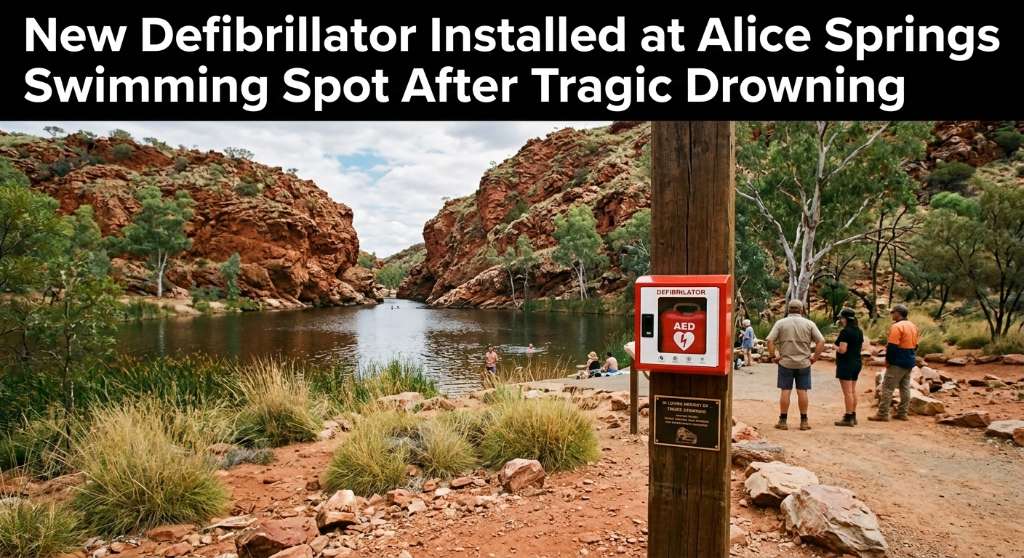
An automated external defibrillator and memorial plaque have been installed at Ellery Creek Big Hole following the death of disability advocate Ellen Fr...
Queensland firefighters spent several hours monitoring a significant grass fire at Mary Kinross Park in Bargara, near Bundaberg, after the blaze broke out on Wednesday evening....